

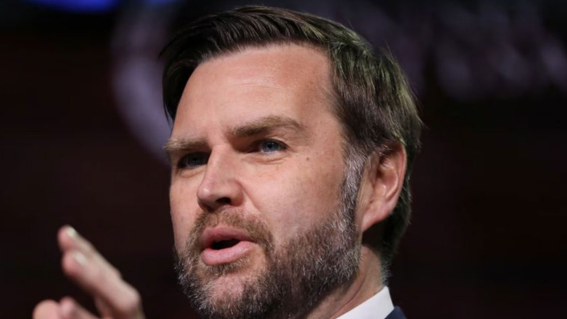
29 October 2026 (Navroze Bureau) US Vice President JD Vance has reportedly sent a letter to senior Iranian security official Mohsen Rezaei in an attempt to explore the possibility of restarting peace negotiations between Washington and Tehran. The diplomatic outreach comes as US President Donald Trump threatens renewed military strikes against Iran in the coming weeks, raising concerns about a fresh escalation in the conflict.
According to reports by The Wall Street Journal and Axios published on October 28 and 29, 2026, the letter was intended to test whether the two countries could establish a framework for negotiations. The initiative comes after earlier diplomatic efforts failed to produce a lasting agreement and tensions over Iran’s nuclear programme continued.
However, the details of the letter remain unclear, and the US administration has offered differing public descriptions of its purpose.
JD Vance Reaches Out to Iranian Security Official
The reported letter was sent to Mohsen Rezaei, secretary of Iran’s Supreme National Security Council and a former commander of the Islamic Revolutionary Guard Corps (IRGC).
According to reporting based on people familiar with the matter, the outreach was intended to determine whether Washington and Tehran could resume negotiations and avoid another round of military confrontation. Axios reported that Vance’s letter stressed that any negotiations aimed at preventing US strikes would need to address Iran’s nuclear programme.
The initiative represents a significant diplomatic contact at a time when relations between the two countries remain strained. Rezaei is considered an influential figure within Iran’s security establishment and has previously taken a hard line towards negotiations with Washington.
The reported approach could also introduce a new channel for communication, potentially changing the roles played by Iranian Foreign Minister Abbas Araghchi and parliamentary speaker Mohammad Bagher Ghalibaf in previous diplomatic efforts.
Trump Offers a Different Explanation for the Letter
Trump has acknowledged that Vance communicated with him about the initiative but has disputed the suggestion that he directed the vice president to begin peace negotiations.
Speaking to reporters at Joint Base Andrews, Trump said the communication concerned medical supplies for people in Iran who needed assistance.
“Iran needs help with medical supplies,” Trump said, explaining that the effort involved getting supplies to people who were unwell.
The remarks have added uncertainty over the precise purpose and scope of the reported diplomatic outreach. While media reports describe the letter as an attempt to explore renewed negotiations, Trump’s public comments focused on humanitarian assistance.
Neither a detailed peace proposal nor a confirmed timetable for new negotiations had emerged in the reports available on October 29.
Trump Considers Renewed Military Action
The diplomatic initiative comes as Trump weighs the possibility of authorising another round of military strikes against Iran after the US midterm elections scheduled for November 3.
According to recent reporting, US officials have discussed a possible short but intensive military campaign targeting Iranian military capabilities and strategic infrastructure. However, the administration has not publicly confirmed a final decision to resume attacks.
Trump has repeatedly warned Tehran that continued delays in reaching an agreement could carry consequences. His administration has also maintained that preventing Iran from developing nuclear weapons remains a central national security objective.
The combination of diplomatic outreach and military threats reflects Washington’s current approach: explore whether negotiations can produce an agreement while maintaining pressure on Iran.
Regional governments have reportedly been warned to prepare for the possibility of renewed hostilities and potential Iranian retaliation. Any further escalation could affect energy infrastructure, shipping routes and security across the wider Middle East.
Previous Peace Efforts Failed to Deliver an Agreement
Washington and Tehran have made several attempts to reach an understanding, but the discussions have repeatedly encountered obstacles.
A memorandum of understanding reached in June reportedly collapsed approximately two weeks after it was signed, amid disagreements over how shipping through the Strait of Hormuz would be restored.
Subsequent negotiations facilitated by Qatar and Pakistan also failed to resolve the central differences between the two sides.
Washington has sought nuclear concessions from Iran as part of a potential agreement, while Tehran has demanded economic relief and changes to the restrictions imposed on the country.
These competing priorities have made it difficult to establish a negotiating framework acceptable to both governments. The reported letter to Rezaei could be an effort to determine whether a different diplomatic channel can help overcome the deadlock.
However, Iranian officials have signalled that Tehran is unwilling to negotiate unless its core demands are addressed.
Why Mohsen Rezaei’s Role Matters
Rezaei’s position within Iran’s national security establishment makes the reported outreach significant. A former commander of the IRGC, he has been an influential voice in Iran’s security and military affairs for decades.
He has also issued warnings about potential Iranian retaliation if the United States or Israel launches further attacks. Earlier reports said he had raised the possibility of Iran targeting regional infrastructure, including data centres and internet cables.
His involvement in any renewed diplomatic process could therefore provide Washington with access to an important Iranian decision-maker. At the same time, his previously stated opposition to negotiations with the United States highlights the obstacles that remain.
It is not yet clear whether the letter will lead to direct talks, a formal proposal or a response from Iran’s leadership.
What Happens Next?
The reported letter offers a possible opening for diplomacy, but it does not establish that a peace agreement is close. The two sides continue to disagree over Iran’s nuclear programme, economic sanctions and the conditions required to end the conflict.
Vance’s outreach may help determine whether negotiations can resume before the Trump administration makes a decision about further military action. Yet the absence of a confirmed proposal and the continued exchange of threats underline how fragile the situation remains.
For now, Washington appears to be keeping diplomatic channels open while maintaining the possibility of renewed strikes. Whether that approach produces meaningful negotiations or another escalation will depend on Tehran’s response and the willingness of both governments to compromise.