

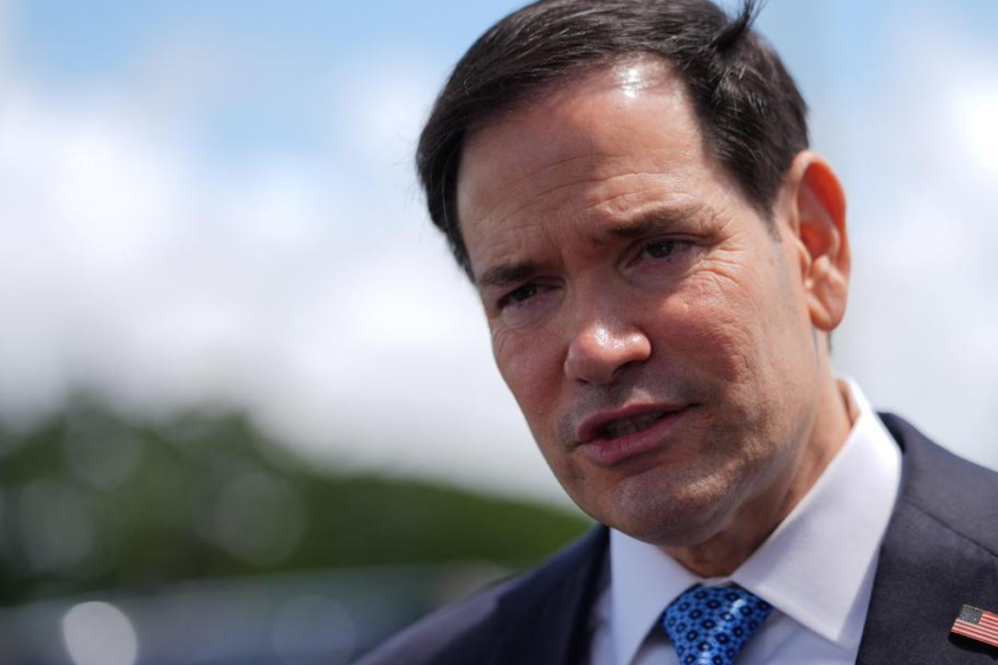
May 22 : 2026 (Navroze Bureau) : Marco Rubio has embarked on another high-stakes diplomatic mission aimed at easing tensions between the United States and its NATO allies as global security concerns and policy disagreements continue testing the Western alliance.
Rubio’s latest visit comes ahead of a major North Atlantic Treaty Organization meeting where leaders are expected to discuss defense spending, the war in Ukraine, Middle East instability, and growing concerns regarding global security coordination.
The trip marks Rubio’s first major NATO-focused diplomatic engagement since assuming office as America’s top diplomat under President Donald Trump’s administration. Analysts say the visit is being closely watched because relations between Washington and several European allies have faced growing strain over defense priorities, trade disputes, and differing approaches toward global conflicts.
According to US officials, Rubio’s primary objective is to reassure NATO partners regarding America’s commitment to collective defense while also pressing allies to increase military spending and burden-sharing responsibilities.
The diplomatic mission comes at a sensitive moment for NATO, which is simultaneously dealing with Russia’s continued military pressure in Eastern Europe, instability in the Middle East, and internal disagreements regarding long-term security strategy.
Rubio is expected to meet senior leaders from key NATO member states including Germany, France, the United Kingdom, Poland, Italy, and Baltic nations during the summit discussions.
US officials indicated that Rubio would emphasize the importance of alliance unity and coordinated responses to emerging geopolitical threats.
At the same time, Washington is reportedly expected to push NATO members more aggressively on defense spending targets — an issue that has repeatedly generated friction between the United States and European allies.
President Donald Trump has frequently criticized NATO countries for failing to meet agreed defense expenditure commitments and relying too heavily on American military resources.
Rubio’s challenge will therefore involve balancing reassurance with pressure, as the United States seeks stronger European military contributions without damaging alliance cohesion.
European officials have privately expressed concern over uncertainty regarding future US foreign policy direction, especially after recent comments from Trump questioning aspects of NATO burden-sharing arrangements.
Despite those tensions, European leaders continue viewing the United States as NATO’s central military power and an essential security partner amid ongoing instability involving Russia and other global threats.
One of the major agenda items during the NATO meeting is expected to involve military and financial support for Ukraine as the war with Russia continues placing pressure on European security systems.
NATO members remain divided over the scale and duration of future commitments toward Ukraine, with some countries seeking stronger military support while others favor more cautious approaches due to economic and political concerns.
Rubio is also expected to discuss growing instability in the Middle East following recent tensions involving Iran, Israel, and Gulf nations. NATO officials are increasingly concerned that prolonged regional conflict could affect energy markets, migration flows, and broader global security dynamics.
Security cooperation in the Indo-Pacific region may also feature during discussions as NATO countries examine China’s growing geopolitical influence and its implications for international security.
Analysts say Rubio’s diplomatic style differs somewhat from Trump’s more confrontational rhetoric, potentially making him an important figure in maintaining communication channels with allies during periods of tension.
Former US diplomats noted that NATO alliances often experience disagreements over funding, military strategy, and foreign policy priorities, but maintaining unity remains critical for Western security architecture.
Rubio has previously described NATO as one of the most successful military alliances in modern history while simultaneously arguing that all member nations must contribute more equally to collective defense obligations.
The NATO meeting is also expected to address cybersecurity threats, artificial intelligence in warfare, military modernization, and protection of critical infrastructure against hybrid attacks.
Several Eastern European NATO members are reportedly seeking stronger US security assurances due to continued concerns regarding Russian military activity near alliance borders.
Meanwhile, some Western European countries are pushing for greater strategic autonomy and stronger independent European defense capabilities alongside NATO structures.
Political analysts believe Rubio’s meetings could play a key role in shaping future US-European relations during a period marked by geopolitical uncertainty and changing global power dynamics.
Observers say alliance diplomacy has become increasingly complex because NATO members now face simultaneous crises involving Russia, China, Middle East instability, cybersecurity, and economic competition.
Rubio’s mission therefore carries importance beyond routine alliance meetings, as it may help determine how effectively NATO manages internal disagreements while confronting expanding international security challenges.
US officials remain publicly optimistic that the meetings will reinforce transatlantic cooperation despite policy differences.
However, analysts caution that underlying tensions regarding defense spending, trade policies, and strategic priorities are unlikely to disappear completely.
As NATO leaders gather for another critical summit, Rubio’s ability to reassure allies while advancing Washington’s tougher burden-sharing demands will likely shape both the tone and outcome of the discussions.