

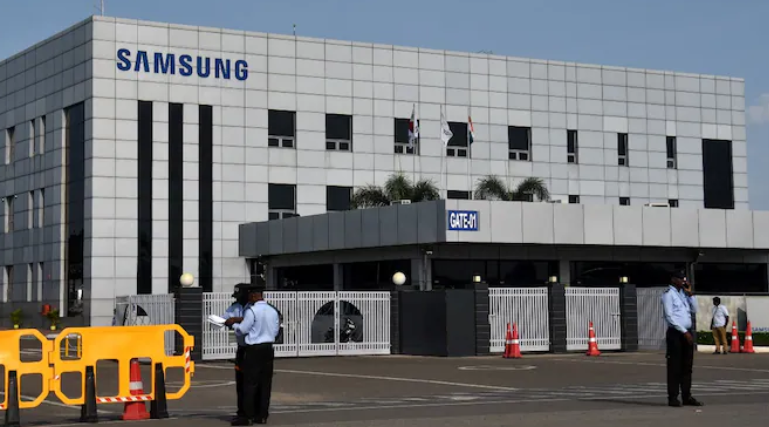
8 September 2026 (Navroze Bureau) : Samsung India has started reducing its workforce in its television and home-appliance businesses, with around 80–100 executives reportedly asked to leave as rising memory-chip prices, weaker demand and higher operating costs put pressure on margins.
The job cuts are being carried out in batches and are part of a broader restructuring of Samsung’s India operations.
Directors, Managers Among Those Affected
The employees reportedly affected include director-level executives, team leaders, branch managers and area managers across Samsung’s consumer-electronics operations.
The restructuring is aimed at reducing overlapping functions and improving operational efficiency as the company faces a tougher cost environment.
Memory Chip Prices Have More Than Doubled
One of the biggest pressures on Samsung’s consumer-electronics business is the sharp rise in memory-chip prices.
Industry executives cited in reports said memory costs have more than doubled, increasing input expenses for products such as televisions, smartphones and other electronic devices.
The global memory shortage has been driven in part by booming demand from AI data centres, which require large quantities of advanced memory such as high-bandwidth memory (HBM).
Weak Demand Adds to Pressure
Higher component costs are arriving at a time when consumer demand has also weakened in some segments.
Samsung’s television and home-appliance businesses are therefore facing pressure from both sides: rising production costs and slower sales growth.
The combination has prompted the company to reassess its workforce and operating structure in India.
Up to 25% of Sales Workforce Could Be Affected
The current layoffs could potentially widen.
An industry executive cited in reports said as much as 25% of Samsung’s sales and marketing workforce in its electronics business could eventually be affected.
The figure includes both direct employees and off-roll workers employed through manpower agencies.
Smartphone Division Reportedly Not Part of Current Cuts
The current round of job reductions is concentrated mainly in the television and home-appliance divisions.
Reports indicate that Samsung’s smartphone sales organisation has not been directly affected by the present round of cuts, although the broader cost pressures are being felt across the consumer-electronics industry.
Samsung Also Consolidating Regional Offices
Alongside the workforce reduction, Samsung is reportedly consolidating some regional offices and removing overlapping roles.
The move forms part of a wider effort to streamline its India operations and reduce costs as the company navigates changing market conditions.
Global AI Boom Is Reshaping Memory Supply
The pressure on consumer electronics is linked to a much larger global trend.
AI infrastructure companies are consuming increasing quantities of high-performance memory, particularly HBM. Memory manufacturers are allocating more production capacity to these higher-value products, tightening supplies of conventional memory used in consumer electronics.
Samsung itself has previously warned that rising memory prices are an industry-wide issue and that supply constraints could persist as AI demand continues to grow.
More Job Cuts Could Follow
Industry sources cited in reports expect Samsung’s workforce rationalisation may not end with the current round.
A further round of cuts could take place after the Diwali festive season, particularly in the television and home-appliance businesses, depending on market conditions.
What the Cuts Mean for Samsung India
The restructuring reflects the difficult economics facing consumer-electronics companies as component costs rise.
Manufacturers have several options—including raising prices, reducing specifications, cutting operating expenses or accepting lower margins. Samsung’s latest move suggests it is using workforce and organisational restructuring to manage part of that pressure.