

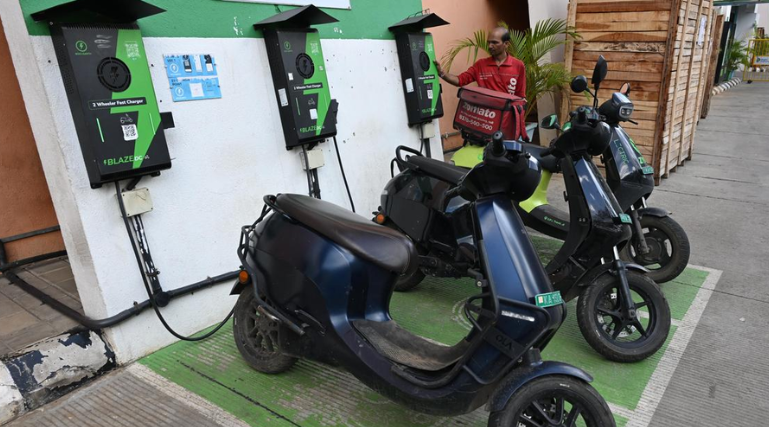
30 June 2026 (Navroze Bureau) : In a major push towards cleaner transportation, the Delhi government has approved its ambitious Electric Vehicle (EV) Policy 2.0, under which only electric two-wheelers will be eligible for new registration from April 1, 2028. The move is part of the capital’s broader strategy to reduce air pollution, lower carbon emissions and accelerate the transition to sustainable mobility.
The policy, approved by the Delhi Cabinet, introduces a phased transition to electric mobility across multiple vehicle segments. From January 1, 2027, only electric auto-rickshaws and certain categories of small commercial vehicles will be eligible for new registration. Beginning April 1, 2028, the registration of new petrol and CNG-powered two-wheelers will be discontinued, making electric models the only option for new buyers in this category.
Chief Minister Rekha Gupta said the policy is designed to make Delhi a national leader in clean transportation while addressing the city’s long-standing air quality challenges. Vehicular emissions remain one of the major contributors to air pollution in the national capital, and the government believes that rapid electrification of the transport sector is essential to achieving cleaner air.
The new EV Policy 2.0 includes a financial outlay of around ₹15,000 crore to support the transition. The government will offer purchase incentives for electric vehicles, including subsidies of up to ₹50,000 for electric two-wheelers and three-wheelers during the first year of implementation. Existing benefits such as road tax and registration fee waivers for eligible EVs will also continue.
To encourage faster adoption, the policy also provides a scrappage incentive of up to ₹1 lakh for buyers replacing older vehicles with new electric vehicles. Electric cars priced up to ₹30 lakh will remain exempt from road tax and registration charges, making EV ownership more affordable for consumers.
Officials said the policy is not intended to ban existing petrol or CNG two-wheelers from operating on Delhi roads. Instead, it applies to new vehicle registrations from April 2028. Owners of existing vehicles will continue to be governed by prevailing registration and fitness norms.
The government also plans to expand Delhi’s EV charging infrastructure significantly to support the expected rise in electric vehicle ownership. More public charging stations, battery-swapping facilities and private charging options will be developed across residential, commercial and public locations to improve convenience for EV users.
Industry experts have largely welcomed the policy, saying that clear timelines provide manufacturers, dealers and consumers with greater certainty. They believe the phased approach will encourage investment in electric vehicle production, charging infrastructure and battery technology while helping reduce dependence on fossil fuels.
However, some stakeholders have called for additional measures to ensure a smooth transition. Concerns have been raised regarding charging infrastructure, battery recycling, electricity supply and the affordability of electric vehicles for lower-income consumers. Experts have stressed the need for continued investment in charging networks and public awareness campaigns.
The policy also excludes hybrid vehicles from incentives, reaffirming the government’s focus on promoting fully battery-powered electric vehicles rather than partially electrified alternatives. Additionally, a three-year lock-in period has been introduced for certain incentive schemes to discourage misuse of subsidies.
Delhi has been among India’s leading states in electric vehicle adoption over the past few years, with electric two-wheelers accounting for a significant share of new EV registrations. The government expects the updated policy to accelerate this trend and contribute to its long-term environmental goals.