

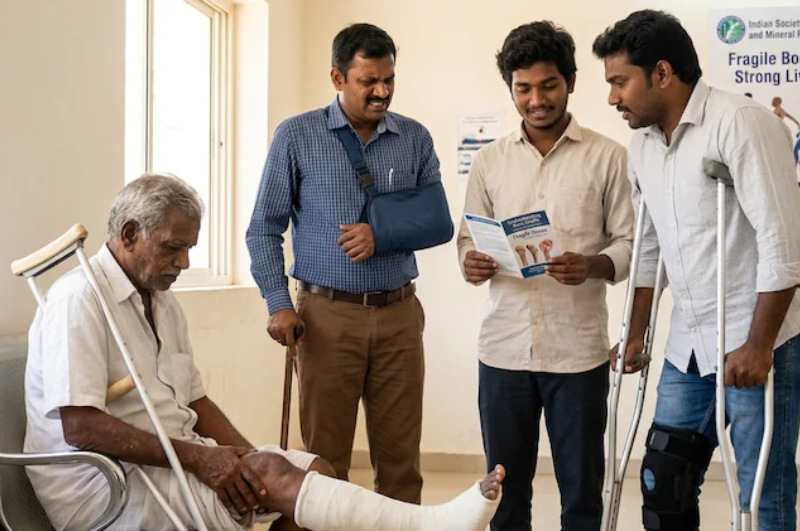
April 21, 2026: When people think of Osteoporosis, they often associate it with women, particularly after menopause. However, growing evidence suggests that men are also at significant risk—and many may be getting screened far too late.
Osteoporosis is a condition in which bones become weak and brittle, increasing the risk of fractures. While it is more commonly diagnosed in women, men tend to experience more severe consequences when the disease is detected late. Hip fractures, for example, are often more dangerous in men, with higher rates of complications and mortality.
One of the key issues is underdiagnosis. Unlike women, who are routinely screened for bone density after a certain age, men are less likely to undergo early testing. Many men are only diagnosed after suffering a fracture, by which point the disease may already be advanced.
Medical experts highlight that screening guidelines for men are not as widely followed or emphasised. In many cases, men are only advised to undergo bone density tests if they have specific risk factors, such as long-term steroid use, low testosterone levels, or a history of fractures.
This gap in screening is partly due to awareness. Osteoporosis is often perceived as a “women’s disease,” leading to lower vigilance among both patients and healthcare providers when it comes to men. As a result, early warning signs are frequently overlooked.
Risk factors for osteoporosis in men include ageing, smoking, excessive alcohol consumption, lack of physical activity, and poor nutrition—particularly low calcium and vitamin D intake. Chronic conditions such as diabetes and hormonal imbalances can also contribute to bone loss.
Another important factor is the gradual nature of the disease. Bone density declines slowly over time, often without noticeable symptoms until a fracture occurs. This makes proactive screening essential for early detection and prevention.
Diagnostic tools such as bone mineral density (BMD) tests, commonly performed using dual-energy X-ray absorptiometry (DEXA), can help identify osteoporosis before fractures occur. Early diagnosis allows for interventions that can strengthen bones and reduce fracture risk.
Treatment options for osteoporosis include medications that slow bone loss or promote bone formation, along with lifestyle changes. Weight-bearing exercises, adequate calcium and vitamin D intake, and avoiding smoking and excessive alcohol can all help maintain bone health.
Experts are increasingly calling for more inclusive screening guidelines that recognise the risk in men. Some recommend routine screening for men over the age of 65, or earlier for those with risk factors. Increasing awareness among both the public and healthcare providers is seen as a critical step.
The consequences of late diagnosis can be severe. Fractures, particularly of the hip and spine, can lead to long-term disability, reduced quality of life, and increased healthcare costs. For older adults, such injuries can significantly impact independence.
Public health campaigns have traditionally focused on women, but there is a growing push to include men in osteoporosis awareness efforts. Education about risk factors, symptoms, and the importance of screening can help address the gap.
In countries like India, where healthcare access and awareness vary widely, the challenge is even greater. Many individuals may not seek preventive care, leading to delayed diagnosis and treatment.
Healthcare professionals emphasise that osteoporosis is preventable and manageable if detected early. Regular check-ups, especially for individuals with risk factors, can make a significant difference.
The conversation around osteoporosis is gradually shifting, with more attention being paid to its impact on men. As research continues to highlight the issue, it is likely that screening practices will evolve to become more inclusive.
In conclusion, osteoporosis in men remains under-recognised and often diagnosed too late. Increasing awareness, improving screening practices, and encouraging preventive care are essential steps in reducing the burden of this silent but serious disease.
Summary
Men are often screened late for osteoporosis, leading to higher fracture risks. Experts call for greater awareness, early testing, and improved guidelines to ensure timely diagnosis and better bone health outcomes.