

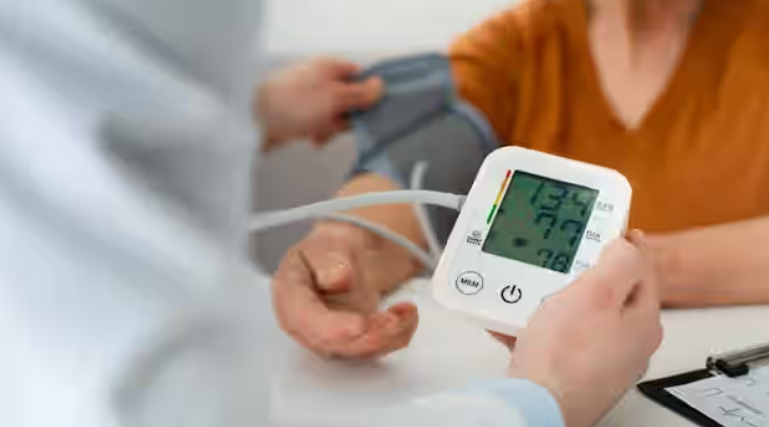
24 June 2026 (Navroze Bureau) : Researchers at University of Oxford have developed an artificial intelligence (AI) tool capable of identifying hidden organ damage caused by high blood pressure, offering a potentially significant advance in the early detection and treatment of hypertension-related diseases.
The innovation could help doctors detect damage before symptoms appear, allowing earlier intervention and improved patient outcomes.
A Silent Health Threat
Hypertension is often referred to as a “silent killer” because it can damage vital organs for years without producing noticeable symptoms.
Uncontrolled high blood pressure can affect:
- The heart
- Kidneys
- Brain
- Blood vessels
- Eyes
Many patients are diagnosed only after serious complications develop.
How The AI Tool Works
The Oxford-developed AI system analyzes medical data and imaging scans to detect subtle signs of organ damage that may not be easily visible through conventional examination methods.
Researchers say the technology can identify patterns associated with early-stage injury long before patients experience symptoms.
Earlier Detection, Better Treatment
Doctors believe earlier identification of organ damage could allow healthcare providers to:
- Adjust medications sooner
- Improve blood pressure control
- Prevent complications
- Reduce hospital admissions
- Lower long-term healthcare costs
The approach may help personalize treatment plans for individual patients.
Focus On Heart And Kidney Health
The AI model has shown particular promise in identifying damage to organs commonly affected by hypertension, including the heart and kidneys.
These organs often sustain gradual injury over many years, making early detection especially valuable.
Growing Role Of AI In Healthcare
Artificial intelligence is increasingly being used in medicine for:
- Disease diagnosis
- Medical imaging analysis
- Risk prediction
- Drug development
- Patient monitoring
Researchers say the Oxford project demonstrates how AI can support clinicians rather than replace them.
Potential Public Health Benefits
Hypertension affects hundreds of millions of people worldwide and remains one of the leading causes of cardiovascular disease.
Experts believe tools that improve early detection could significantly reduce the burden of:
- Heart attacks
- Strokes
- Kidney failure
- Cardiovascular complications
Further Validation Required
While the initial results are encouraging, researchers note that the technology will require broader clinical testing and validation before widespread adoption in healthcare systems.
Future studies will evaluate its effectiveness across diverse patient populations.
Key Takeaway
Researchers at the University of Oxford have developed an AI-powered tool capable of detecting hidden organ damage caused by high blood pressure before symptoms appear. The technology could help doctors identify at-risk patients earlier and improve the prevention of serious complications linked to hypertension.