

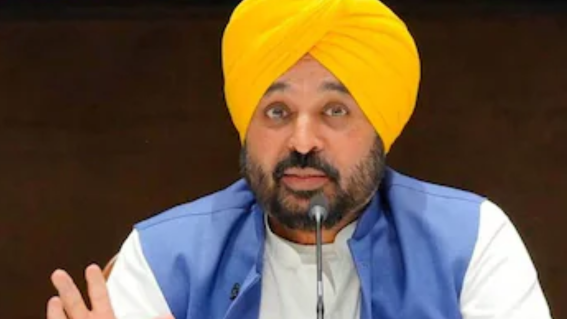
23February 2026 (Navroze Bureau) : The Punjab Cabinet on Wednesday approved several major policy decisions aimed at providing wide-ranging relief to nearly 40 lakh families across the state, underlining the government’s focus on welfare, governance reforms, and economic support. The decisions were taken during a cabinet meeting chaired by Chief Minister Bhagwant Mann and are expected to have a significant impact on households from economically weaker and middle-income groups.
According to official sources, the cabinet cleared proposals related to social welfare schemes, public services, agriculture, and administrative reforms. The state government said the measures are designed to ease financial pressure on families, improve access to essential services, and strengthen grassroots governance in Punjab.
A key highlight of the meeting was the approval of relief measures that will directly benefit around 40 lakh families. These include enhancements to existing welfare schemes, rationalisation of service delivery, and targeted support for vulnerable sections such as farmers, labourers, women, and senior citizens. The government reiterated its commitment to ensuring that benefits reach eligible families without delays or bureaucratic hurdles.
Focus on Household Relief and Welfare
Officials said the cabinet gave the green light to steps that will reduce household expenses and improve access to basic amenities. These measures are part of the government’s broader agenda to provide financial relief amid rising living costs and economic uncertainties. While detailed implementation guidelines will be issued by the respective departments, the cabinet stressed that transparency and efficiency would remain central to execution.
The government also reviewed the progress of ongoing welfare initiatives and directed departments to expedite pending approvals and disbursements. Ministers highlighted that strengthening last-mile delivery is essential to ensure that the intended beneficiaries actually receive the support announced by the state.
Governance and Administrative Reforms
Apart from welfare-related decisions, the cabinet also approved several administrative reforms aimed at improving governance. These include streamlining procedures in government offices, reducing delays in public services, and enhancing accountability among officials. The state leadership noted that efficient governance is critical to restoring public trust and ensuring effective use of public funds.
The cabinet discussed measures to modernise administrative processes, including greater use of digital platforms for service delivery. Officials said such reforms would reduce paperwork, minimise corruption, and make government services more accessible to citizens, particularly those in rural areas.
Agriculture and Rural Development
Agriculture and rural development also featured prominently in the cabinet discussions. Punjab’s economy remains closely tied to farming, and the government reiterated its commitment to supporting farmers through policy interventions and financial assistance. The cabinet reviewed proposals aimed at improving irrigation facilities, strengthening rural infrastructure, and supporting diversification to reduce dependence on traditional crops.
Ministers acknowledged the challenges faced by farmers due to rising input costs and changing market conditions. The approved measures, they said, would help stabilise farm incomes while promoting sustainable agricultural practices across the state.
Employment and Youth Welfare
The cabinet also deliberated on issues related to employment and youth welfare. With a significant portion of Punjab’s population comprising young people, the government emphasised the need for skill development and job creation. Proposals related to recruitment, training programmes, and support for entrepreneurship were discussed as part of the state’s long-term strategy to curb unemployment.
Officials indicated that upcoming initiatives would focus on aligning skill training with industry needs, thereby improving employability and reducing migration pressures among the youth.
Financial Discipline and State Economy
On the financial front, the cabinet reviewed the state’s fiscal position and discussed measures to ensure prudent financial management. While expanding welfare coverage, the government maintained that fiscal discipline would not be compromised. Ministers stressed the importance of balancing social spending with sustainable revenue generation.
The cabinet also examined ways to improve tax compliance and strengthen revenue collection mechanisms without burdening ordinary citizens. According to officials, these steps are essential to fund welfare programmes and development projects in the long run.
Political and Public Response
The decisions taken by the cabinet are likely to have political as well as social implications. Supporters of the government have welcomed the focus on household relief and welfare, calling it a step towards inclusive governance. Critics, however, have said that effective implementation will be key and urged the government to ensure that announcements translate into real benefits on the ground.
The state government responded by asserting that clear timelines and monitoring mechanisms would be put in place to track the progress of each approved decision.
Way Forward
Following the cabinet meeting, departments have been instructed to issue detailed notifications and begin implementation at the earliest. The Chief Minister emphasised that the government’s priority remains improving the quality of life for Punjab’s residents and addressing long-standing issues through decisive governance.
With relief announced for nearly 40 lakh families, the cabinet’s decisions mark a significant step in the state’s policy agenda. The coming weeks will be crucial in determining how effectively these measures are rolled out and how quickly citizens begin to experience the promised benefits.
Summary
Punjab Cabinet approved major welfare and governance decisions, announcing relief for nearly 40 lakh families, with focus on household support, administrative reforms, agriculture, employment, and efficient service delivery.