

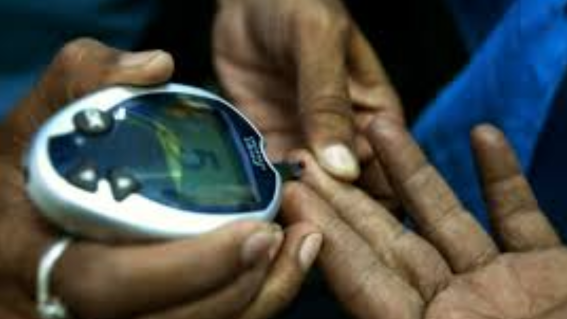
13 January 2026: Older adults living with diabetes may face a significantly higher risk of developing cardiovascular disease when exposed to air pollution, according to emerging research that highlights the growing intersection between environmental hazards and chronic health conditions.
Public health experts say the findings add urgency to the need for stronger pollution controls, particularly in urban areas where air quality continues to deteriorate and vulnerable populations are most at risk. The study reinforces long-standing concerns that air pollution is not just an environmental issue but a serious and expanding public health threat.
A Growing Concern for Ageing Populations
Diabetes is already known to increase the risk of heart attacks, strokes, and other cardiovascular complications. Older adults living with the condition are especially vulnerable because their bodies often have reduced resilience to stressors such as inflammation and poor circulation.
Researchers now suggest that exposure to polluted air may further aggravate this vulnerability. Tiny particles in polluted air can enter the bloodstream through the lungs, triggering inflammation, oxidative stress, and damage to blood vessels. For people with diabetes, whose blood vessels may already be compromised, this added strain can significantly elevate the risk of heart disease.
As populations age and diabetes rates continue to rise globally, the combined impact of chronic disease and environmental exposure is becoming a growing public health challenge.
How Air Pollution Affects the Body
Air pollution contains harmful substances such as fine particulate matter, nitrogen dioxide, sulfur dioxide, and ozone. These pollutants are commonly produced by vehicle emissions, industrial activity, construction, and the burning of fossil fuels.
When inhaled, fine particles can penetrate deep into the lungs and even enter the bloodstream. This process can:
- Trigger systemic inflammation
- Increase blood pressure
- Worsen insulin resistance
- Damage blood vessel walls
- Disrupt normal heart rhythm
For older diabetics, these effects can accelerate the development of cardiovascular conditions, including coronary artery disease, heart failure, and stroke.
Medical experts warn that even short-term exposure to high pollution levels can be dangerous for those already living with chronic illness.
Why Diabetics Are More Vulnerable
Diabetes affects the body’s ability to regulate blood sugar, but it also damages blood vessels and nerves over time. This makes the cardiovascular system more fragile.
When pollution-related inflammation is added to the existing burden of diabetes, the result can be a dangerous combination. Researchers suggest that this double impact may explain why older diabetics appear to suffer disproportionately from pollution-related heart problems.
In addition, people with diabetes often experience other related conditions such as obesity, high blood pressure, and high cholesterol, which further increase cardiovascular risk.
Urban Living Intensifies the Risk
The study has particular relevance for people living in densely populated cities. Urban areas tend to have higher levels of traffic pollution, industrial emissions, and construction dust, exposing residents to harmful air on a daily basis.
Many older adults spend significant time indoors, but indoor air is often also affected by outdoor pollution, especially in poorly ventilated homes. This means that exposure can remain high even for those who avoid going outside frequently.
Health experts say this creates an invisible but constant health threat for elderly populations, particularly those managing chronic conditions.
Public Health Implications
The findings are prompting renewed calls for governments to treat air pollution as a major health priority. Medical professionals argue that protecting vulnerable populations such as older diabetics should be central to environmental and urban planning policies.
Suggested measures include:
- Stricter emission regulations
- Expansion of green spaces
- Improved public transport systems
- Better monitoring of air quality
- Public advisories during high-pollution periods
Doctors also emphasize the importance of educating patients about pollution risks, particularly those already at higher risk due to age or medical conditions.
What Individuals Can Do
While large-scale policy changes are necessary, experts say individuals can also take steps to reduce their personal risk.
Older adults with diabetes are advised to:
- Monitor daily air quality levels
- Avoid outdoor activity during peak pollution hours
- Use masks when pollution levels are high
- Maintain good indoor ventilation and consider air purifiers
- Continue managing diabetes carefully through diet, medication, and exercise
Doctors also encourage regular cardiovascular checkups for older diabetics, especially those living in high-pollution areas.
A Wake-Up Call for Preventive Healthcare
The research highlights the need to think beyond traditional medical risk factors and consider environmental conditions as part of preventive healthcare. Healthcare systems are increasingly recognizing that factors such as housing, environment, income, and access to clean air play a critical role in determining long-term health outcomes.
Some experts argue that doctors should begin incorporating environmental exposure into routine patient assessments, particularly for high-risk groups.
Global Relevance
Air pollution remains a global issue, affecting millions of people worldwide. Many countries in Asia, Africa, and parts of Europe regularly record pollution levels that exceed safe limits. At the same time, diabetes rates are climbing rapidly, especially among older populations.
The overlap between these two trends suggests that the health burden could increase significantly if urgent action is not taken.
Public health researchers stress that preventing pollution-related diseases could save countless lives and reduce the long-term strain on healthcare systems.
Conclusion
The evidence linking air pollution to cardiovascular disease among older diabetics adds a powerful new dimension to the public health debate. It shows that environmental protection is not only about preserving nature but also about safeguarding human health.
For older individuals living with diabetes, clean air may be as critical to their wellbeing as medication and lifestyle management. The findings serve as a reminder that healthier environments are essential for healthier lives.
Summary
Older adults with diabetes face a higher risk of developing cardiovascular disease when exposed to air pollution. Experts urge stronger environmental policies and greater awareness to protect vulnerable populations from pollution-related health complications.