

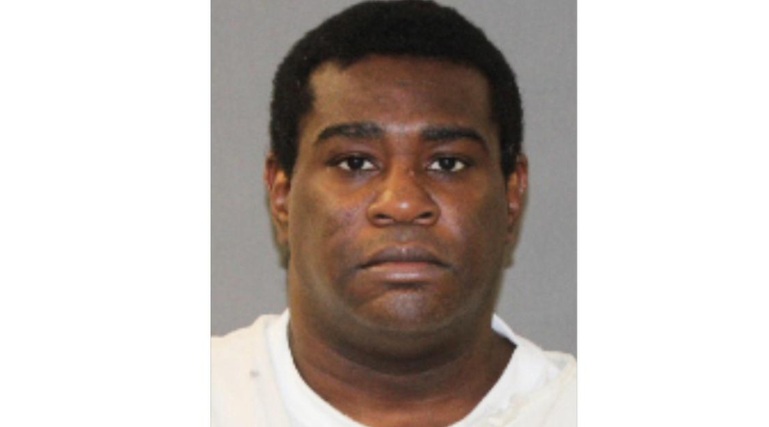
8 October 2026 (Navroze Bureau) Texas has carried out the first execution in the United States since Christa Pike survived a failed lethal injection attempt in Tennessee last week. Jamaal Howard, 46, was executed Wednesday evening at the state prison in Huntsville after receiving a lethal dose of pentobarbital. He was pronounced dead at 8:03 p.m.
Howard’s execution came amid renewed scrutiny of lethal injection procedures following Pike’s failed execution in Tennessee on September 30. Pike survived after two doses of pentobarbital were administered during the attempted execution. Her lawyers later said she regained consciousness and was able to speak while receiving medical treatment.
Howard’s attorneys had sought to stop his execution, arguing that Texas planned to use the same drug involved in Pike’s case. They also raised concerns about the quality of Texas’ supply of pentobarbital and argued that the drug could present risks similar to those seen in Tennessee. Courts rejected the requests to halt the execution.
The Texas Court of Criminal Appeals denied requests seeking a stay, including a later filing focused on the execution drug. The US Supreme Court also declined to intervene, allowing the execution to proceed.
Howard was convicted of capital murder for the 2000 killing of convenience store clerk Vickie Swartout in Silsbee, Texas. Swartout, 42, was shot during a robbery at the store. Evidence presented at trial included surveillance footage showing the shooting. Howard was 20 years old when the crime occurred.
According to court records, Howard took $114 and a carton of cigarettes from the store following the shooting. He was convicted less than a year after the killing and sentenced to death.
Before his execution, Howard’s lawyers made several legal attempts to stop the punishment. One argument concerned his alleged intellectual disability. His attorneys maintained that he should not be executed if he met the legal standard for intellectual disability, while the state argued that his lawyers had not provided sufficient evidence to establish such a claim.
The legal team also focused on the execution drug. Texas uses pentobarbital for lethal injections, and Howard’s attorneys sought information about the drug planned for his execution. They questioned whether the state’s supply was suitable for use following the problems reported during Pike’s execution attempt.
The concerns surrounding pentobarbital have become more prominent because US states have faced difficulties obtaining execution drugs. Texas has relied on compounded supplies, while pharmaceutical companies generally do not provide drugs for executions. This has resulted in continuing legal disputes over the sourcing, testing and storage of lethal-injection drugs.
Pike’s case has intensified those concerns. Her lawyers have sought information and preservation of evidence from the failed execution, including syringes, drug packaging, lot numbers and other materials. Tennessee authorities are investigating what went wrong during the procedure.
Tennessee Governor Bill Lee has suspended the state’s remaining scheduled execution for this year while officials examine the failed executions that occurred in the state. Pike’s case was the second failed execution attempt in Tennessee this year.
Despite the controversy surrounding the use of pentobarbital, Texas proceeded with Howard’s execution. According to the Texas Department of Criminal Justice, Howard remained talkative during the approximately 45-mile journey from the death row prison to the Huntsville Unit. He reportedly spoke with officers and asked questions before being taken to a holding area near the execution chamber.
Howard was given an opportunity to make a final statement before the lethal injection. He apologised to members of Swartout’s family who were present as witnesses and asked for their forgiveness. He also expressed his feelings toward his own family before the execution began.
His execution marked the 30th execution in the United States in 2026, according to reports. Texas has carried out several executions this year and has additional executions scheduled later in 2026. Florida has conducted the highest number of executions in the country this year.
The execution has attracted national attention because of its timing. It occurred only about a week after Pike’s failed lethal injection, making Howard the first person executed in the country since that incident.
The two cases have also highlighted ongoing questions about the reliability of lethal injection and the availability of execution drugs. Howard’s lawyers specifically argued that the recent Tennessee failure warranted additional scrutiny before Texas proceeded with another execution using pentobarbital.
However, courts did not find sufficient legal grounds to stop Howard’s execution. With the appeals rejected, Texas proceeded with the punishment as scheduled.
The case is expected to remain part of the wider debate surrounding capital punishment in the United States, particularly questions involving execution procedures, drug sourcing and legal safeguards for death-row inmates.
Meanwhile, Pike’s lawyers continue to seek answers about her failed execution and have requested access to evidence that could help establish what happened during the procedure. Her medical condition remains a matter of ongoing concern.
Howard’s execution therefore marks a significant development in the US death-penalty system, coming at a time when lethal-injection procedures are facing renewed legal and public scrutiny following the Tennessee incident.