
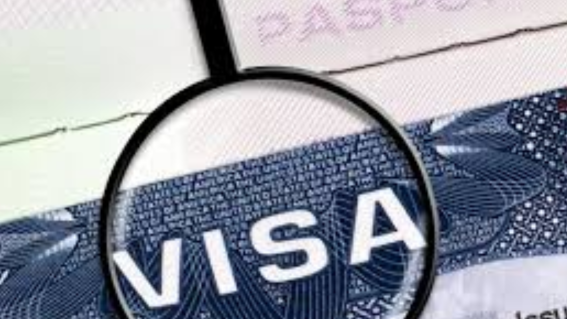
December 10, 2025 (Navroze Bureau) : In a sweeping move reflecting its commitment to stricter immigration controls, the Trump administration has reportedly revoked over 85,000 visas since January 2024. The action is part of a broad crackdown on immigration violations, national security concerns, and stricter scrutiny of foreign applicants entering or living in the United States.
Officials from the Department of Homeland Security (DHS) and the Department of State (DoS) noted that the cancellations span across multiple categories, including student visas, work permits, tourist visas, and even long-term employment authorizations. According to sources familiar with the matter, this is one of the largest mass visa revocation exercises conducted in recent years.
Reasons Behind the Visa Revocations
The Trump administration has argued that the enhanced immigration checks are necessary to safeguard national security and protect domestic employment. Authorities claim that many revoked visas were linked to:
- Overstaying previous visas
- Providing incomplete, incorrect, or suspicious information during applications
- Security risk assessments conducted by intelligence agencies
- Violation of visa terms, such as unauthorized work
- Concerns about fraudulent educational institutions or employers
Additionally, there has been an increase in automated cross-checking of databases, enabling officials to flag potential discrepancies more quickly.
A senior consular official noted that visa vetting procedures have become far more rigorous compared to previous years. “The U.S. will no longer tolerate loopholes that endanger the country or disadvantage American workers,” the official said.
Impact on Students and Professionals
One of the most affected groups appears to be international students, especially those from Asian countries. Reports indicate that hundreds of students returning from holiday breaks have faced intense questioning at airports, with some even being deported.
The U.S., which has historically been a preferred destination for higher education, has seen increasing anxiety among foreign applicants. As part of the new measures, universities have been instructed to ensure strict compliance with attendance, course enrolment, and internship policies for international students.
Professionals under the H-1B, H-4, and L-1 visa categories have also felt the impact. Several tech employees reported visa revocations during background rechecks or employer audits. Companies employing a large immigrant workforce have been subject to increased oversight, leading to more cautious hiring.
Tourism and Business Travel Also Affected
Tourist and business visas, which form a large portion of U.S. entries, have not been spared. Many travellers with previously approved 10-year visas have found their documents marked “revoked” upon attempting to board flights.
Officials say tighter screening is designed to curb instances where tourists use visitor visas for employment or long stays. Business travellers too have faced delays, with authorities insisting on more documentation and proof of legitimate travel purpose.
Political and Public Reactions
The decision has drawn mixed reactions. Supporters of the administration believe stronger immigration enforcement is long overdue, citing concerns about illegal immigration and misuse of visa categories.
However, immigration lawyers and civil rights groups argue that mass cancellations lack transparency and deny individuals the right to appeal. They fear that the unpredictability of visa decisions could deter skilled workers, talented students, and global investors from considering the U.S. as a destination.
Several international governments have also sought clarifications from the U.S. State Department, stating that sudden revocations disrupt families, careers, and international cooperation.
Economic Implications
Experts warn that the move could have unintended consequences for the American economy. The U.S. tech sector, which heavily relies on skilled foreign workers, is already facing labour shortages. Universities may experience a decline in international enrolments, impacting revenue and diversity.
Tourism, which contributes billions to the U.S. economy annually, could also see a downturn if travellers perceive the country as less welcoming.
What Happens Next?
Officials suggest that visa reviews are ongoing and more cancellations may occur as new data emerges. The administration has outlined plans to introduce:
- Real-time visa monitoring systems
- Stricter employer verification processes
- Expanded questioning and biometric checks at ports of entry
- Greater cooperation with international intelligence agencies
Individuals whose visas have been revoked will need to reapply and undergo fresh background checks. However, approval is not guaranteed, especially for those flagged in the system.
Global Ripples
Given America’s position as a global hub for education, business, and tourism, the decision to revoke such a large number of visas is expected to create ripple effects worldwide. Families, companies, and institutions are now bracing for stricter immigration policies in the months ahead.
Summary
The U.S. has revoked over 85,000 visas since January 2024 under stricter Trump-era immigration rules. Students, professionals, tourists, and business travellers are affected as authorities intensify security and compliance checks.