

13 April 2026 (Navroze Bureau) : High-stakes peace talks between the United States and Iran in Islamabad have ended without an agreement, marking a significant setback in efforts to de-escalate ongoing tensions in the region.
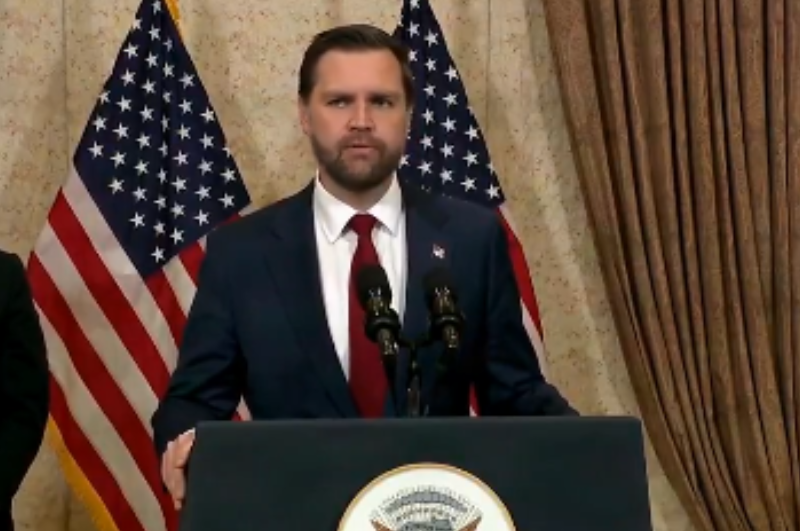
The negotiations, led by US Vice President JD Vance, lasted nearly 21 hours and were among the most direct and high-level engagements between the two countries in decades. Despite intensive discussions, both sides failed to bridge key differences, leaving the conflict unresolved.
Speaking after the talks, Vance confirmed that no breakthrough had been achieved, stating that Iran had “chosen not to accept” the terms proposed by the United States. He indicated that Washington had presented what it described as a “final and best offer,” but the Iranian delegation did not agree to the conditions.
A central sticking point in the negotiations was Iran’s nuclear program. The United States reportedly sought a firm commitment from Tehran that it would not pursue nuclear weapons in the future. However, Iran refused to provide such assurances, leading to a deadlock.
The talks were mediated by Pakistan, which played a key role in bringing both sides to the table. The negotiations were seen as a crucial attempt to stabilize a fragile ceasefire following weeks of escalating conflict in the region.
Iranian officials, however, offered a different perspective on the breakdown. They accused the United States of making excessive demands and failing to show flexibility. According to Iran’s Foreign Ministry, disagreements over a few critical issues prevented the two sides from reaching a common framework.
The collapse of the talks has heightened concerns about further escalation. Reports indicate that tensions remain high, with both sides maintaining firm positions. The failure to secure an agreement also raises questions about the future of diplomatic efforts and whether another round of talks will be possible in the near term.
Adding to the uncertainty, the United States has signaled potential next steps that could further strain relations.
Following the breakdown, Washington has considered stronger measures, including a potential maritime blockade of Iranian ports, which could significantly impact global oil supplies.
The failure of the talks has also triggered volatility in global energy markets. Oil prices have surged amid fears of supply disruptions, reflecting the high stakes involved in the conflict. Analysts warn that prolonged instability could have widespread economic consequences.
Meanwhile, Iran has indicated that it is not currently planning further negotiations, reinforcing its position on key issues such as control over strategic waterways like the Strait of Hormuz.
The Islamabad talks were particularly significant because they represented the highest-level direct engagement between the US and Iran since 1979. Expectations were high that the discussions could pave the way for a broader agreement to ease tensions and restore stability in the region.
However, the outcome highlights the deep mistrust and longstanding differences between the two nations. Issues such as nuclear development, regional influence, and security guarantees remain major obstacles to any lasting agreement.
Experts believe that while the talks have failed for now, diplomacy may not be entirely off the table. Both sides could return to negotiations if conditions change or if external pressure increases.
The role of Pakistan as a mediator has been widely acknowledged, with officials from both sides recognizing its efforts to facilitate dialogue. However, even strong mediation could not overcome the fundamental disagreements.
The failure of the talks also has broader implications for global geopolitics. The Middle East remains a critical region for energy supply and security, and any escalation could have ripple effects worldwide.
As the situation unfolds, the international community is closely watching developments. Diplomatic efforts by other countries and organizations may play a role in preventing further escalation and encouraging renewed dialogue.
In conclusion, the collapse of the Islamabad peace talks marks a significant setback in US-Iran relations. With no agreement reached and tensions still high, the path forward remains uncertain, raising concerns about the potential for further conflict and global economic impact.
Summary
US and Iran failed to reach a deal after 21-hour Islamabad talks, with disputes over nuclear commitments causing deadlock, raising fears of escalation and global economic impact.