

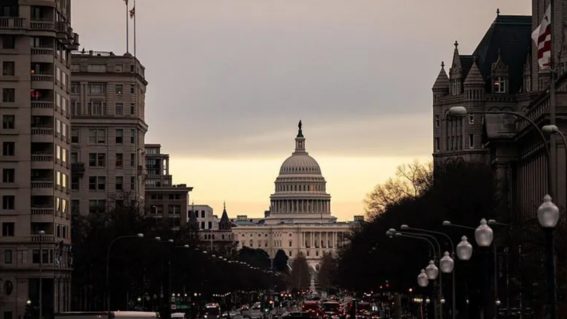
9 January 2026: The United States House of Representatives has passed legislation aimed at expanding healthcare subsidies for millions of Americans, marking a significant step in the ongoing debate over healthcare affordability. However, despite clearing the House, the bill faces an uncertain and potentially difficult path in the Senate, where partisan divisions and fiscal concerns threaten to stall or dilute the proposal.
The bill seeks to extend and broaden subsidies that help individuals and families purchase health insurance through federal marketplaces. These subsidies, originally enhanced under earlier relief measures, have been credited with lowering monthly premiums and reducing the number of uninsured Americans. Supporters argue that extending them is essential at a time when healthcare costs remain high and inflation continues to strain household budgets.
House Democrats, who largely backed the measure, said the bill would prevent sharp premium hikes for millions of people if current subsidy enhancements were allowed to expire. According to lawmakers supporting the legislation, failure to act could result in millions losing coverage or being forced to pay significantly higher insurance costs.
“This bill is about affordability, access, and stability,” said a senior Democratic lawmaker during the House debate. “Healthcare should not be a luxury, and these subsidies ensure working families are not priced out of coverage.”
The legislation also includes provisions aimed at making subsidy eligibility more generous for middle-income earners, who in many cases do not qualify for traditional assistance but still struggle with rising premiums. Under the proposed changes, a larger share of income would be capped for healthcare spending, offering relief to households caught between high costs and limited support.
Republicans, however, largely opposed the bill, raising concerns about its long-term cost and impact on the federal deficit. Several lawmakers argued that while expanding subsidies may provide short-term relief, it does not address underlying issues such as rising healthcare prices, insurance market inefficiencies, and regulatory burdens.
“This is another expensive patch rather than a real solution,” a Republican representative said, warning that the bill could add billions of dollars to federal spending without meaningful reform.
The Senate presents a more complex challenge for the legislation. While Democrats hold a narrow majority, passing the bill may require near-unanimous support within their caucus or bipartisan backing, depending on procedural hurdles. Some moderate senators have already expressed reservations about the overall cost of the subsidies and the lack of corresponding spending offsets.
In addition, Senate Republicans are expected to push for amendments or block the measure unless it includes broader healthcare reforms or spending cuts elsewhere. This raises the possibility that the bill could be delayed, significantly altered, or fail to advance altogether.
Healthcare advocacy groups have welcomed the House’s move, warning that inaction would have immediate consequences for consumers. Insurers typically set premiums months in advance, and uncertainty over subsidy policy could lead to higher rates or reduced plan offerings.
Economists note that while subsidies help consumers, they do not directly tackle systemic cost drivers such as hospital pricing, pharmaceutical costs, and administrative inefficiencies. As a result, the debate in the Senate is likely to focus not just on affordability for consumers, but also on fiscal sustainability.
As the bill heads to the upper chamber, its fate remains unclear. What is certain is that healthcare will remain a central political issue, especially with elections approaching and voters increasingly concerned about rising living and medical expenses. Whether lawmakers can bridge the divide and deliver a compromise will determine if the expanded subsidies become law or remain another stalled effort in Washington.
Summary
The US House passed a bill expanding healthcare subsidies to keep insurance affordable, but strong opposition and cost concerns in the Senate threaten to delay or block the measure.