

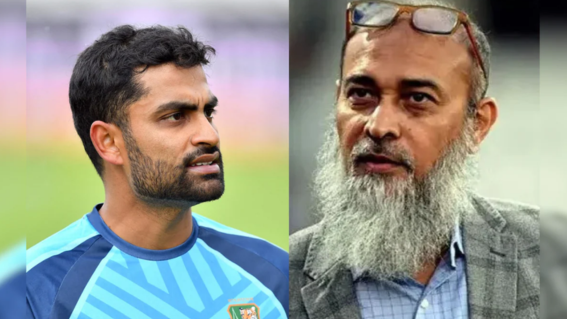
16 January 2026: A protest by Bangladesh’s cricketers has taken a troubling turn, with several players reportedly receiving threatening calls and being labelled “traitors” on social media and in public discourse. What began as a collective stand to voice concerns over professional issues has now escalated into a tense and emotionally charged situation, raising serious questions about player safety, freedom of expression, and the culture surrounding sport in the country.
The controversy erupted after a group of senior and emerging cricketers jointly expressed dissatisfaction over matters related to team management, scheduling, player welfare, and decision-making within the cricket administration. The players’ protest, which was initially viewed as an attempt to seek reform and transparency, quickly polarized public opinion. While many fans and former players expressed support for the cricketers’ right to be heard, others reacted harshly, accusing them of undermining national pride and unity.
Several players have since revealed that they have been subjected to abusive messages, online harassment, and threatening phone calls. Some cricketers claimed that unknown individuals warned them to withdraw their statements, while others reported being branded as “traitors” for speaking against the system. The hostile environment has caused distress not only to the players but also to their families, who have been dragged into the controversy.
The situation has sparked widespread debate across Bangladesh’s sporting community. Supporters of the players argue that professional athletes should have the right to voice concerns without fear of retaliation. They believe that constructive criticism is essential for the long-term growth of cricket in the country. Critics, however, accuse the players of choosing the wrong platform and timing, suggesting that internal matters should not be aired publicly.
Former cricketers and sports analysts have weighed in, calling for calm and urging fans to differentiate between criticism of administration and loyalty to the nation. Several ex-players have publicly supported the protesting cricketers, emphasizing that demanding better working conditions, transparent selection processes, and fair treatment does not equate to betrayal.
The controversy has also drawn attention to the role of social media in escalating conflicts. Platforms that initially helped amplify the players’ voices have now become spaces for aggressive trolling and intimidation. Digital safety experts have pointed out that unchecked online abuse can have serious psychological impacts, particularly on young athletes who are already under intense public scrutiny.
Cricket authorities have responded by acknowledging the seriousness of the situation and appealing for restraint. Officials have stated that while they are open to dialogue with players, harassment and threats of any kind are unacceptable. Discussions are reportedly underway to address some of the concerns raised by the cricketers, although progress has been slow amid growing public pressure.
The episode has also sparked a larger conversation about athlete rights in South Asia, where players are often expected to prioritize national image over personal wellbeing. Many observers believe this incident could become a turning point in how player voices are treated in Bangladesh cricket. There are growing calls for the establishment of stronger player associations, mental health support systems, and formal grievance redressal mechanisms.
Fans remain divided. Some have organized online campaigns in solidarity with the players, emphasizing that criticism of systems is necessary for reform. Others continue to view the protest as an act of disloyalty. This sharp division reflects a deeper emotional connection between cricket and national identity in Bangladesh, where the sport is more than just a game.
Despite the backlash, several players have reiterated that their intention was never to harm the country’s image but to improve the future of Bangladesh cricket. They argue that sustainable progress can only be achieved when players feel safe, respected, and heard.
As the situation continues to evolve, the spotlight remains firmly on how cricket authorities, fans, and society at large respond. Whether this episode leads to meaningful reform or deepens divisions will shape the future culture of Bangladesh cricket for years to come.
Summary
Bangladesh cricketers’ protest has escalated into a serious controversy, with players receiving threat calls and being labelled traitors, sparking debates over player rights, public pressure, and the need for safer dialogue.