

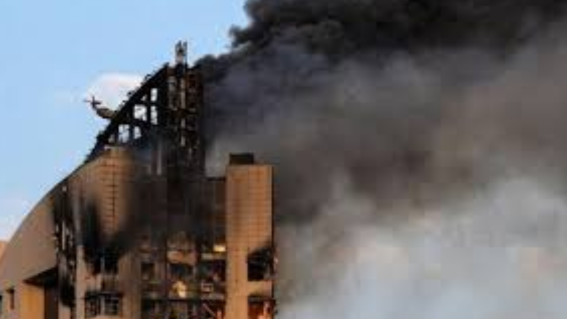
10 March 2026 (Navroze Bureau) : Iran has launched a fresh wave of missile and drone attacks targeting several Gulf Arab countries, significantly escalating tensions across the Middle East and raising fears of a wider regional conflict. The attacks come amid ongoing hostilities involving Iran and its regional rivals, with Gulf nations increasingly caught in the crossfire.
According to regional security reports, multiple explosions were heard in areas near key infrastructure across the Gulf region. Air defense systems were activated in several cities as authorities attempted to intercept incoming missiles and drones before they could reach their targets. Some projectiles were reportedly destroyed mid-air, while others caused limited damage to infrastructure.
Officials said the attacks appeared to target strategic and energy-related facilities, including oil installations, logistics hubs, and transportation networks. The Gulf region is home to some of the world’s most critical oil production and export facilities, making it highly sensitive to any military escalation.
Security experts believe the strikes are part of Iran’s broader strategy to apply pressure on countries that support military operations against it. By targeting energy infrastructure and strategic facilities in the Gulf, Iran is attempting to send a strong message to its regional adversaries while demonstrating its ability to disrupt global energy supply routes.
Several Gulf countries have increased their security levels following the attacks. Military bases, airports, and oil facilities have been placed on high alert, with additional air defense systems deployed to protect vital infrastructure. Authorities have also urged residents to remain cautious while emergency teams assess the situation.
The latest attacks have intensified concerns about the safety of international shipping routes in the region. The Strait of Hormuz, one of the most important maritime passages in the world, lies between Iran and the Gulf Arab states. A large percentage of global oil shipments passes through this narrow waterway every day. Any disruption in this area could have serious consequences for global trade and energy markets.
Energy markets reacted immediately to the escalating tensions. Oil prices initially surged due to fears that continued attacks could disrupt supply from the Gulf region. Traders and analysts warned that prolonged instability could lead to further volatility in global energy markets.
Shipping companies have also begun reviewing their routes through the region. Some vessels are reportedly delaying their journeys or choosing alternative paths to avoid areas considered high risk. Insurance costs for ships operating in the Gulf have also increased due to the rising security threat.
The international community has expressed deep concern over the latest developments. Several global powers have urged all parties involved to exercise restraint and avoid actions that could further escalate the conflict. Diplomatic efforts are underway to prevent the situation from spiraling into a broader war.
Regional governments have also called for calm, emphasizing the need for dialogue and peaceful solutions to the ongoing crisis. Many leaders fear that continued military confrontations could destabilize the entire Middle East and threaten global economic stability.
Meanwhile, defense analysts say the use of drones and missiles highlights the evolving nature of modern warfare in the region. Unmanned aerial systems have become a key tool in military operations because they can travel long distances and strike targets with precision while being relatively difficult to intercept.
The attacks have also raised concerns about civilian safety. Although many of the strikes targeted infrastructure and strategic sites, authorities remain worried about the risk of collateral damage in densely populated areas. Emergency response teams have been deployed to assess any potential damage and assist affected communities.
Despite international calls for de-escalation, tensions remain extremely high. Military forces across the Gulf region are maintaining a state of readiness, preparing for the possibility of additional attacks or retaliatory actions.
Political analysts warn that the ongoing cycle of attacks and counterattacks could further deepen divisions in the region. If diplomatic efforts fail, the conflict may expand beyond its current scope and involve additional countries.
For now, the situation remains fluid, with governments closely monitoring developments. The coming days will be crucial in determining whether the crisis can be contained through diplomatic negotiations or whether the region will face further escalation and instability.
Summary :
Iran launched new missile and drone attacks targeting Gulf Arab countries, escalating regional tensions, threatening oil infrastructure, and raising global concerns about energy supply disruption and potential expansion of the Middle East conflict.