

17 April 2026 (Navroze Bureau) : The fragile ceasefire in the Middle East remains under strain after Hezbollah issued a stern warning to Israel, stating that its fighters have their “finger on the trigger” and are prepared to respond immediately if the truce is violated.
The statement comes amid heightened tensions in the region, where a temporary ceasefire has been holding after weeks of intense military exchanges. While the truce has brought a degree of calm, both sides remain on high alert, with sporadic incidents threatening to derail the fragile peace.
Hezbollah’s leadership emphasised that while the group remains committed to the ceasefire, it will not hesitate to retaliate in the event of any aggression. The warning underscores the deep mistrust between the two sides and highlights the challenges in sustaining long-term peace.
On the Israeli side, officials have reiterated their commitment to defending national security and have warned against any hostile actions from across the border. The situation along the Israel-Lebanon frontier continues to be closely monitored by military forces, with troops maintaining a high level of readiness.
The ceasefire was brokered with the support of international mediators following escalating hostilities that raised fears of a broader regional conflict. The involvement of multiple actors, including Iran-backed groups and Western powers, has added complexity to the situation.
Despite the truce, underlying issues remain unresolved. Disputes over territory, security concerns, and broader geopolitical rivalries continue to fuel tensions. Analysts warn that without addressing these core issues, the ceasefire may only provide temporary relief.
Hezbollah’s warning is also seen as a signal to both domestic and international audiences. Domestically, it reinforces the group’s stance as a defender against perceived threats, while internationally, it serves as a reminder of its military capabilities and readiness.
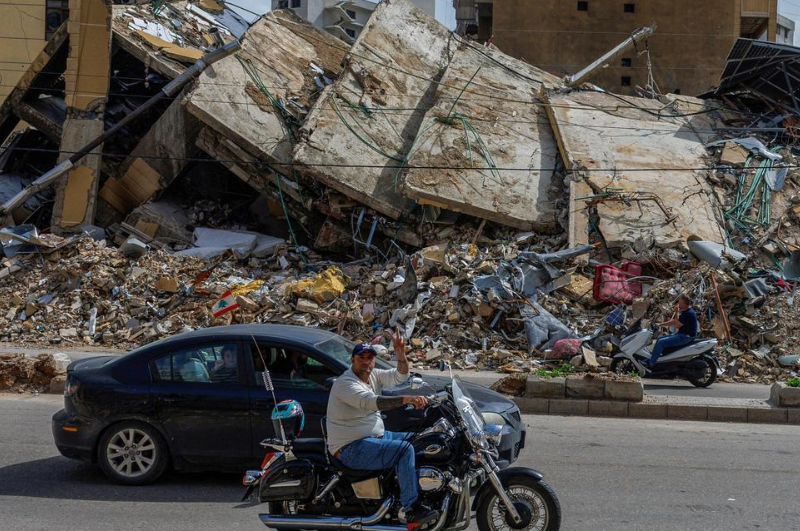
The humanitarian situation in affected areas remains a concern. Civilians on both sides of the border have faced displacement, infrastructure damage, and economic disruption due to the recent conflict. Aid agencies have called for sustained calm to allow relief efforts to continue.
Global reactions to the developments have been cautious. Several countries and international organisations have urged all parties to respect the ceasefire and avoid actions that could escalate tensions. Diplomatic efforts are ongoing to stabilise the situation and explore pathways for a more durable peace.
Experts note that ceasefires in such volatile regions are inherently fragile, often requiring continuous engagement and confidence-building measures to hold. Even minor incidents can quickly escalate, given the high level of mistrust and military readiness.
The broader regional context also plays a role in shaping the dynamics between Hezbollah and Israel. Developments involving Iran, Syria, and other regional actors influence the strategic calculations of both sides, making the situation more complex.
As the ceasefire continues, attention will be on whether both sides can exercise restraint and avoid provocations. The coming days are likely to be critical in determining whether the truce can be sustained or if tensions will once again escalate into open conflict.
In conclusion, Hezbollah’s warning highlights the precarious nature of the current ceasefire with Israel. While both sides have shown a willingness to pause hostilities, the underlying tensions and mutual distrust mean that the situation remains highly volatile and unpredictable.
Summary
Hezbollah warned it is ready to respond if Israel violates the ceasefire, underscoring fragile truce conditions and ongoing tensions that threaten stability along the Israel-Lebanon border.