

May 5 2026 (Navroze Bureau) : A new analysis has revealed that wastewater surveillance played a crucial role in detecting hidden surges of COVID-19 in Bengaluru, even as conventional testing rates declined. The findings underscore the growing importance of sewage-based epidemiology as a reliable early warning system for infectious disease outbreaks.
During periods when COVID-19 testing dropped significantly—either due to reduced public concern, fewer symptoms, or limited access—wastewater data continued to provide insights into the true spread of the virus. Researchers found that viral RNA levels in sewage samples indicated rising infections well before they were reflected in official case counts.
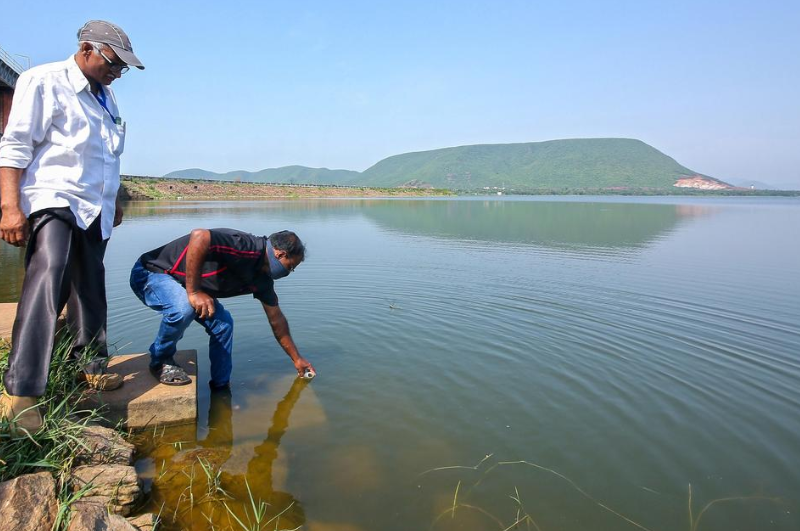
Wastewater surveillance involves collecting and analyzing sewage samples to detect genetic material from viruses shed by infected individuals. Since people can shed the virus even before showing symptoms—or without ever being tested—this method offers a broader and more inclusive picture of community transmission.
In Bengaluru, scientists monitored multiple sewage treatment plants across the city. The data revealed spikes in viral load that corresponded with later increases in hospital admissions and reported cases. However, these signals often appeared earlier, providing valuable time for authorities to respond.
“Wastewater doesn’t lie,” a public health researcher involved in the study explained. “Even when testing numbers go down, the virus continues to circulate. Sewage surveillance helps us see what might otherwise remain hidden.”
The study highlights a key limitation of traditional testing strategies. As pandemic fatigue set in and testing demand declined, official data began to underrepresent the actual number of infections. This created blind spots in public health monitoring, making it harder to anticipate and manage new waves.
By contrast, wastewater data remained consistent and unbiased. It captured contributions from both symptomatic and asymptomatic individuals, offering a more comprehensive view of viral spread. This makes it particularly valuable in urban settings with dense populations like Bengaluru.
The findings have significant implications for future pandemic preparedness. Experts suggest that wastewater surveillance should be integrated into routine public health systems, not just during emergencies. Such systems can monitor a range of pathogens, including influenza, norovirus, and antibiotic-resistant bacteria.
In India, the adoption of wastewater monitoring has been gradual but promising. Several cities have initiated pilot projects, with Bengaluru emerging as a leading example. The city’s experience demonstrates how such systems can complement traditional surveillance methods.
However, challenges remain. Setting up and maintaining wastewater monitoring infrastructure requires technical expertise, funding, and coordination between multiple agencies. Data interpretation can also be complex, as viral concentrations may vary due to environmental factors.
Despite these hurdles, the benefits are increasingly clear. Early detection allows for timely interventions, such as targeted testing, vaccination drives, and public awareness campaigns. This can help prevent large-scale outbreaks and reduce the burden on healthcare systems.
The study also raises questions about public awareness and engagement. Many people are unaware that wastewater data can provide insights into community health. Increasing transparency and communication around such findings could enhance public trust and cooperation.
Health officials in Bengaluru have acknowledged the value of wastewater surveillance and are exploring ways to expand its use. Integrating this data with other health indicators could create a more robust and responsive monitoring system.
Globally, countries like the United States, the Netherlands, and Australia have already incorporated wastewater surveillance into their public health strategies. Their experiences suggest that the approach is both scalable and effective.
The COVID-19 pandemic has highlighted the need for innovative tools to track and manage infectious diseases. Wastewater surveillance represents one such tool, offering a cost-effective and non-invasive method of monitoring population health.
Experts believe that the lessons learned from Bengaluru can be applied to other cities in India and beyond. By investing in such systems, governments can improve their ability to detect and respond to future health threats.
In conclusion, the use of wastewater data to uncover hidden COVID-19 surges in Bengaluru demonstrates the power of alternative surveillance methods. As testing declines, such approaches become even more critical in ensuring that public health responses remain timely and effective.
Summary:
Wastewater surveillance in Bengaluru revealed hidden COVID-19 surges despite reduced testing, proving its value as an early warning system and highlighting the need to integrate it into routine public health monitoring.