

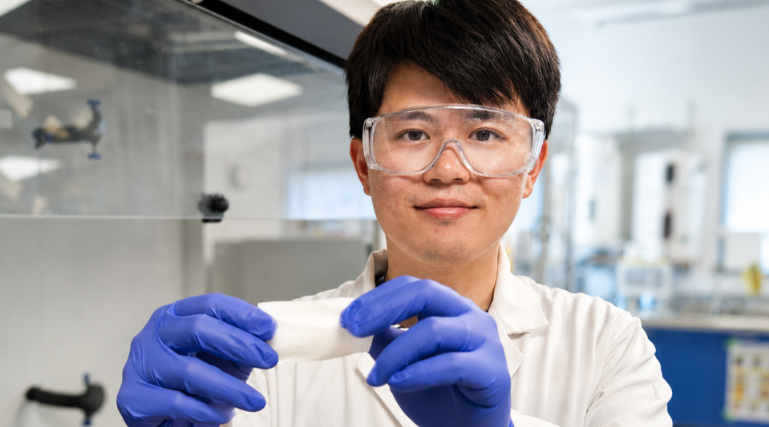
28 july 2026 (Navroze Bureau) : Researchers have developed a plant-based wound dressing that can help prevent infections before they become established, offering a promising new approach to wound care and faster healing.
The innovative dressing is designed to create a protective environment around wounds while using naturally derived materials to reduce the risk of harmful bacterial growth.
A Natural Approach to Wound Care
Unlike conventional dressings that primarily cover and protect wounds, the new plant-based material actively works to prevent infection.
Researchers say the dressing uses plant-derived compounds with antimicrobial properties, helping stop bacteria from multiplying during the early stages of wound healing.
Why Infection Prevention Matters
Infections are among the biggest complications in wound treatment.
If bacteria enter an open wound, they can delay healing, increase pain and swelling, and in severe cases spread deeper into the body, requiring antibiotics or more intensive medical care.
Preventing infection at an early stage may improve recovery and reduce the need for stronger treatments.
Potential Benefits
The plant-based dressing could offer several advantages, including:
- Helping reduce bacterial growth.
- Supporting faster wound healing.
- Lowering the risk of infection.
- Using naturally derived, sustainable materials.
- Potentially reducing reliance on antibiotics in some cases.
Possible Future Applications
Researchers believe the technology could eventually be used for treating surgical wounds, burns, cuts and chronic wounds such as diabetic ulcers.
However, further testing and clinical studies will be needed to confirm its safety and effectiveness in larger groups of patients before it becomes widely available.
Supporting the Fight Against Antibiotic Resistance
By preventing infections before they develop, innovative wound dressings like this may also contribute to efforts to reduce unnecessary antibiotic use.
Limiting antibiotic exposure when appropriate can help slow the development of antimicrobial resistance, a growing global public health challenge.
Research Continues
Scientists are continuing to refine the dressing and evaluate its performance under different medical conditions.
If future studies are successful, the technology could become an important addition to modern wound care and infection prevention strategies.