

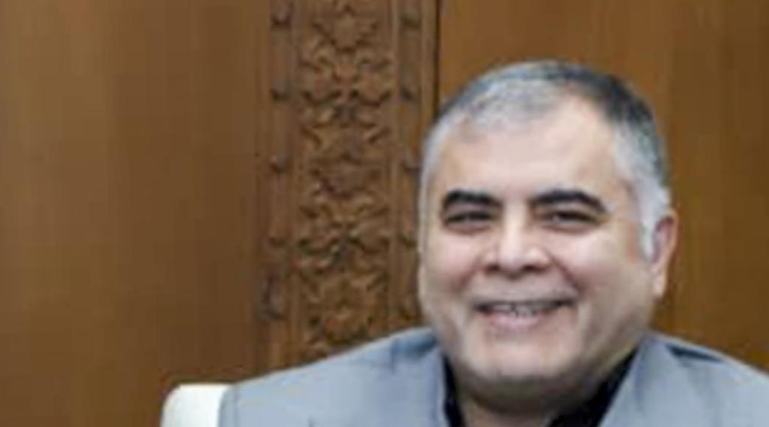
5 October 2026 (Navroze Bureau) Iranian Oil Minister Mohsen Paknejad has resigned from his post, with President Masoud Pezeshkian accepting his departure and appointing Hamid Bovard, chief executive of the state-run National Iranian Oil Company (NIOC), as acting oil minister.
The resignation was announced on Sunday and comes at a particularly sensitive time for Iran’s energy sector, which is facing severe pressure from international sanctions and restrictions on the country’s oil exports. Paknejad had served as oil minister since August 2024.
Iranian state media initially reported the resignation without providing a clear explanation. A presidential office official later said that Paknejad had offered to resign earlier because of personal reasons and that President Pezeshkian had initially asked him to remain in office. The president eventually accepted the resignation after Paknejad insisted on leaving.
The departure comes as Iran’s oil industry faces significant challenges. The country’s petroleum sector has been under increasing pressure from US sanctions, while restrictions on shipping and the wider conflict in the region have complicated Iran’s ability to sell and transport crude oil.
The oil ministry is particularly important to Iran because petroleum exports remain a major source of government revenue. Any disruption to oil production, exports or payments can have a direct impact on the country’s economy and its ability to finance government operations.
Hamid Bovard has now been given temporary responsibility for the ministry. Bovard is a veteran of Iran’s oil industry and had been serving as the head of NIOC, one of the country’s most important energy companies. His appointment gives the ministry an acting leader with extensive experience in the oil sector.
The change in leadership comes amid a broader confrontation involving Iran, the United States and other regional actors. Restrictions on Iranian oil shipments have intensified, while the strategic Strait of Hormuz remains a major point of tension. The waterway is crucial for international energy supplies, making developments involving Iran’s oil industry closely watched by global markets.
According to recent reports, Washington has imposed increasingly stringent measures targeting Iran’s energy sector. The restrictions have placed additional pressure on Tehran’s ability to generate revenue from oil exports. Iranian officials, however, have continued to signal that the country intends to maintain its energy operations and protect its oil revenues.
Before the resignation was formally announced, Paknejad was quoted by Iranian state media as saying that revenues from oil already sold were continuing to come in. His comments reflected the government’s effort to reassure the public about the country’s ability to maintain oil-related income despite international pressure.
The timing of Paknejad’s resignation is likely to attract particular attention because of the wider difficulties facing Iran’s energy infrastructure. The country’s oil and gas industry has been operating under sanctions for years, limiting access to foreign investment, technology and international financial networks.
The ongoing regional conflict has added another layer of uncertainty. Restrictions affecting maritime traffic and oil shipments have created concerns about Iran’s ability to maintain regular exports. At the same time, international oil markets have been responding to supply disruptions and fears about the availability of crude from the Middle East.
The Group of Seven and other international partners have recently moved to release emergency oil reserves in response to disruptions associated with the regional conflict. The International Energy Agency has said that oil prices began falling after the reserve-release decision, illustrating the sensitivity of global energy markets to developments surrounding Iran and the wider Middle East.
For President Pezeshkian’s administration, appointing Bovard as acting minister provides continuity while the government manages immediate challenges in the oil sector. His experience at NIOC could help maintain day-to-day operations while a longer-term decision on the ministry’s leadership is considered.
There has been speculation in some Iranian media about possible disagreements surrounding the oil ministry, but these reports have not been established as the official reason for Paknejad’s departure. The presidential office has publicly attributed the resignation to personal reasons and said that Paknejad had insisted on stepping down.
Paknejad’s resignation therefore leaves Iran’s oil ministry under temporary leadership at a critical moment. With sanctions, export restrictions and regional tensions continuing to affect the energy sector, Bovard will face the immediate task of maintaining oil production, managing exports and helping the government navigate pressure on its petroleum revenues.
The leadership change is also being closely monitored internationally because any major shift in Iran’s oil policy could have consequences beyond the country. Iran remains an important oil producer, and developments affecting its exports can influence supply expectations and prices in global energy markets.
For now, Hamid Bovard will oversee the ministry’s affairs as acting oil minister, while the Iranian government works through the leadership transition. Paknejad’s resignation, officially attributed to personal reasons, adds another significant development to an already uncertain period for Iran’s economy and energy industry.