

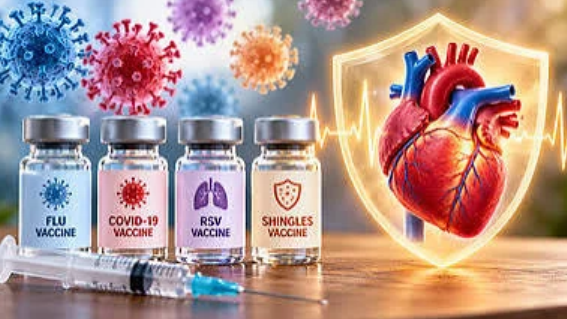
19 October 2026 (Navroze Bureau) Vaccines against influenza, COVID-19, respiratory syncytial virus (RSV) and shingles may offer benefits beyond preventing infections, with research linking vaccination to better cardiovascular health. Studies suggest that preventing these infections could help lower the risk of serious heart complications, including heart attacks, strokes and heart failure, particularly among older adults and people with existing heart conditions.
Researchers have increasingly focused on the relationship between viral infections and cardiovascular disease. Infections can trigger inflammation throughout the body, affect blood clotting and place additional strain on the heart. These effects may increase the likelihood of cardiovascular complications, especially in people who already have high blood pressure, diabetes or other risk factors.
Viral infections may increase heart risks
Influenza and COVID-19 have both been associated with an increased risk of heart attacks and strokes following infection. A review of 155 scientific studies highlighted that the risk of these events can rise substantially in the weeks after infection. The findings reinforce the importance of preventing severe viral illnesses, particularly among vulnerable populations.
RSV, a respiratory virus that can cause serious illness in older adults, is another concern. Although often associated with respiratory symptoms, RSV can also contribute to complications such as heart failure and abnormal heart rhythms. Research examining hospitalised adults has found that cardiovascular complications can occur alongside severe RSV infections.
Shingles, caused by the reactivation of the varicella-zoster virus responsible for chickenpox, has also been linked to cardiovascular risks. Studies suggest that shingles may be associated with a higher likelihood of heart attacks and strokes, potentially through inflammation and changes affecting blood vessels and clotting.
Vaccination and cardiovascular protection
Evidence from several studies suggests that vaccination may help reduce some of these risks. By preventing infections or reducing their severity, vaccines may limit the inflammatory response and other complications that can place stress on the cardiovascular system.
Research on shingles vaccination has reported particularly encouraging associations. A 2026 study published in Nature Medicine found that recipients of the recombinant shingles vaccine had a lower risk of cardiovascular events over seven years than recipients of the older live vaccine. The findings suggest a potential additional benefit, although the observational design means researchers cannot establish that vaccination alone caused the difference.
Another study presented at the American College of Cardiology’s 2026 scientific meeting examined adults with existing atherosclerotic cardiovascular disease. Researchers found that those who received a shingles vaccine experienced fewer major cardiovascular events during the following year than comparable unvaccinated individuals. However, these findings also require careful interpretation because observational studies can be affected by differences between groups.
Evidence supporting influenza, COVID-19 and RSV vaccination is also important, particularly for preventing severe disease and hospitalisation. People with cardiovascular conditions may be especially vulnerable to complications when they develop respiratory infections.
Older adults and people with heart conditions may benefit most
Older adults and people living with cardiovascular disease are among the groups most likely to experience serious complications from certain viral infections. For these individuals, preventing infection or reducing its severity can be an important part of protecting overall health.
However, recommendations for each vaccine vary according to age, medical history, immune status and local public health guidance. Not everyone needs every vaccine at the same time, and the appropriate schedule should be discussed with a qualified healthcare professional.
Researchers also caution that an association between vaccination and improved heart outcomes does not automatically prove a direct protective effect. Further studies are needed to understand the extent of any cardiovascular benefits and which populations may benefit most.
Prevention remains essential
Vaccination should be considered alongside other established measures for maintaining cardiovascular health, including regular physical activity, a balanced diet, avoiding tobacco, controlling blood pressure and managing diabetes and cholesterol.
People with existing heart disease should speak with their doctor about recommended vaccinations and the timing of doses. Anyone experiencing chest pain, sudden breathlessness, weakness on one side of the body or other signs of a possible heart attack or stroke should seek emergency medical care rather than waiting for symptoms to improve.
Overall, emerging research suggests that vaccines against flu, COVID-19, RSV and shingles may have benefits that extend beyond infection prevention. While the strength of evidence varies between vaccines, reducing the burden of serious infections remains an important strategy for protecting people at increased cardiovascular risk.