

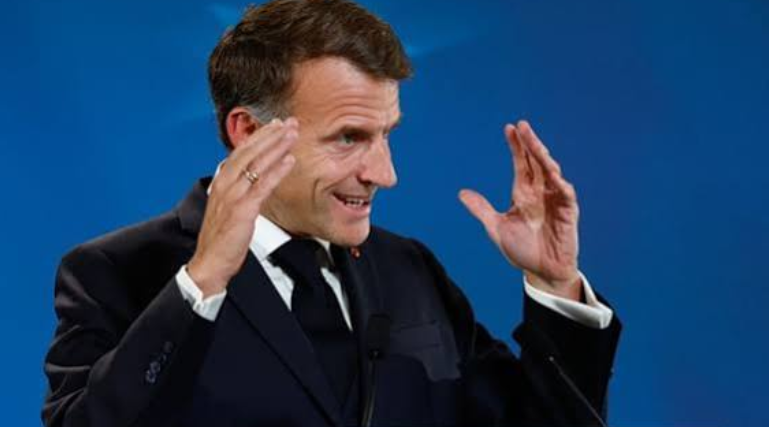
19 October 2026 (Navroze Bureau) French President Emmanuel Macron has called for “calm and order” after a wave of protests across France turned violent, leaving shops looted, public buildings damaged and thousands of people arrested. In a televised address on Sunday, October 18, Macron condemned the violence while acknowledging the concerns of peaceful demonstrators protesting rising living costs and declining public services.
The unrest, which erupted during nationwide demonstrations on Saturday, October 17, became one of France’s most serious episodes of civil disorder in recent years. According to France’s Interior Ministry, around 2,400 people had been arrested by Sunday, while nearly 1,000 police officers were reported injured. Clashes continued in parts of Paris and Marseille even as authorities began assessing the damage.
Macron Condemns Violence and Looting
Addressing the nation from the Élysée Palace, Macron expressed anger and shame over scenes of destruction across French cities. He questioned how people could attack public property and businesses, insisting that violence and looting could not be justified by political or economic grievances.
The French president said those responsible for vandalism and attacks would be held accountable. He also emphasised the need to distinguish between citizens participating peacefully in demonstrations and individuals involved in destruction and violence.
Macron maintained that the concerns raised by peaceful protesters deserved to be heard. However, he warned that violence could not be allowed to overshadow public debate or undermine the functioning of the country.
His remarks came as the government faced mounting pressure to restore order, investigate the circumstances surrounding the unrest and respond to the economic concerns driving public discontent.
Rising Living Costs Fuel Public Anger
The demonstrations were driven by concerns over the cost of living, rising fuel prices and the deterioration of public services, including education. Students, public-sector workers, trade union members and other citizens joined marches across the country.
France’s Interior Ministry estimated that approximately 550,000 people participated in demonstrations on Saturday. While many gatherings remained peaceful, violence broke out in several cities as groups of rioters clashed with police, vandalised buildings and looted businesses.
The latest unrest also followed weeks of student protests over crowded classrooms, teacher shortages and concerns about education funding. Those demonstrations had spread to different parts of the country, adding to wider dissatisfaction with government spending plans and the cost of essential goods and services.
The convergence of student activism and broader economic grievances increased the scale of Saturday’s demonstrations. The violence that followed has now raised questions about how authorities can address legitimate public concerns while preventing further disorder.
Limoges Town Hall Gutted by Fire
One of the most serious incidents occurred in Limoges, where a historic town hall was extensively damaged by a fire during the unrest. Images from the city showed severe destruction to the building, including the collapse of parts of its roof and clock tower.
Several other cities, including Paris, Marseille, Lyon and Bordeaux, also experienced looting, vandalism or confrontations between protesters and police. Shops were damaged, public buildings were targeted and emergency services faced pressure as the disturbances spread.
In Paris, police used tear gas and other crowd-control measures as clashes continued around Place de la République on Sunday. Authorities also worked to clear debris, repair damaged public spaces and secure commercial areas.
The destruction has raised concerns among residents, business owners and local authorities about the financial and social consequences of the violence. Retailers have reported significant damage, while municipal authorities have begun assessing repairs to public infrastructure.
Government Reviews Police Preparedness
Macron stopped short of declaring a nationwide state of emergency, despite calls from some political figures for stronger emergency measures. Instead, he said local prefects would be able to work with mayors to prohibit certain gatherings where necessary to protect public buildings and businesses.
The president also ordered a review of whether there had been failures in intelligence gathering or police preparations ahead of the demonstrations. The review is intended to establish how the unrest developed and whether authorities could have anticipated the scale of the violence.
Macron said the government would need to draw lessons from the events and improve its response to potential future disturbances. He also called for greater transparency regarding the handling of the demonstrations and the actions taken by law enforcement.
The decision to avoid an immediate nationwide emergency declaration indicates that the government is seeking to restore order through targeted measures while continuing to address the broader political and social situation.
Political Leaders Call for Restraint
The unrest has prompted responses from across France’s political spectrum. Marine Le Pen, leader of the right-wing National Rally party, also called for calm and condemned the destruction of businesses and public property.
Government officials blamed the violence on groups they described as belonging to the ultra-left, along with individuals involved in opportunistic looting. Opposition figures, meanwhile, questioned the government’s preparation for the demonstrations and its handling of public order.
The competing explanations have added to political tensions as France approaches its 2027 presidential election. The government faces the challenge of responding to public dissatisfaction without allowing violence to dominate the debate over economic and public-service policies.
Macron Seeks Dialogue Alongside Law Enforcement
Alongside his call for accountability, Macron said the government must listen to the concerns expressed by peaceful demonstrators. He called for discussions involving students, teachers, lawmakers, trade unions and business representatives to develop proposals addressing the crisis.
The approach reflects the two challenges confronting the French government: restoring public order and responding to grievances over living costs and public services.
As clean-up operations continue and investigators assess the extent of the damage, authorities remain focused on preventing further clashes. The number of arrests and injuries highlights the scale of the confrontation, while the destruction of public buildings and businesses has intensified calls for accountability.
Macron’s message was clear: peaceful protesters must be heard, but violence and looting will not be accepted. The coming days will test the government’s ability to restore calm while addressing the concerns that brought hundreds of thousands of people onto the streets.