

19 October 2026 (Navroze Bureau) Congress leader and former Punjab Assembly Speaker KP Rana confronted Mining Department officials at a checkpoint in Nangal town of Punjab’s Rupnagar (Ropar) district, questioning the transparency of the collection of border area infrastructure cess from vehicles transporting mined material from Himachal Pradesh. Rana alleged that the collection process lacked adequate supervision and demanded that the government make details of the money collected publicly available.
The incident took place on Saturday evening, October 17, amid growing political controversy over mining activities in the district ahead of the 2027 Punjab Assembly elections. The Congress has accused the ruling Aam Aadmi Party (AAP) government of failing to ensure transparency in mining-related operations, while allegations surrounding the collection of cess have brought the functioning of the Nangal checkpoint under scrutiny.
Rana Questions Cess Collection Process
During the confrontation, Rana questioned why a Mining Department data entry operator had been assigned responsibility for collecting a substantial amount of money from vehicles entering Punjab from Himachal Pradesh.
According to the report published by The Tribune, the person collecting the cess said he was a data entry operator in the Mining Department and had been assigned the duty of collecting ₹3,000 from each tipper entering Punjab from Himachal Pradesh.
The collector also claimed that the daily collection at the Nangal checkpoint amounted to approximately ₹3 lakh. These figures were reported as statements made during the confrontation and were not independently verified in the report.
Rana questioned how such a significant collection operation could be managed without a senior departmental officer being present at the site. He argued that if the department was authorised to collect the cess, an officer at least at the junior engineer level should supervise the process.
The Congress leader also called for greater clarity about the authority under which the cess was being collected and how the revenue was accounted for.
Demand for Public Disclosure of Revenue
Rana alleged that a substantial portion of the money collected at the checkpoint might not be reaching the government treasury. He demanded that the government disclose the total amount collected from tippers transporting mined material into Punjab from Himachal Pradesh.
His concerns focused on accountability, the role of the officials assigned to collect the cess and the need for an auditable record of the revenue.
The allegations have not been established as proven wrongdoing. A response from the concerned Mining Department executive engineer, Bhavuk Sharma, was not available to The Tribune, which reported that calls and WhatsApp messages seeking his response went unanswered.
Public disclosure of collection figures, receipts issued, the number of vehicles processed and the amount deposited into the government treasury could help clarify the concerns raised during the confrontation. However, the available report did not establish whether an official audit or inquiry had been initiated following Rana’s allegations.
Traffic Congestion and Safety Concerns
Apart from questioning the collection procedure, Rana raised concerns about the location of the checkpoint. He alleged that the naka had been set up on a narrow stretch of road, causing long queues of tippers and creating a potentially dangerous situation for road users.
The movement of heavy vehicles transporting mined material can create traffic challenges when vehicles have to stop for checks or payment collection. According to Rana, the queues at the Nangal checkpoint had increased the risk of accidents.
He also questioned why police personnel had been deployed to provide security at the collection point when, according to him, the operation was being handled by a data entry operator.
These concerns add a road-safety dimension to the dispute, alongside the questions about financial transparency. Any assessment of the checkpoint’s operation would need to consider the legal basis for collection, supervision arrangements, traffic management and public safety.
Mining Activities Become a Political Issue in Ropar
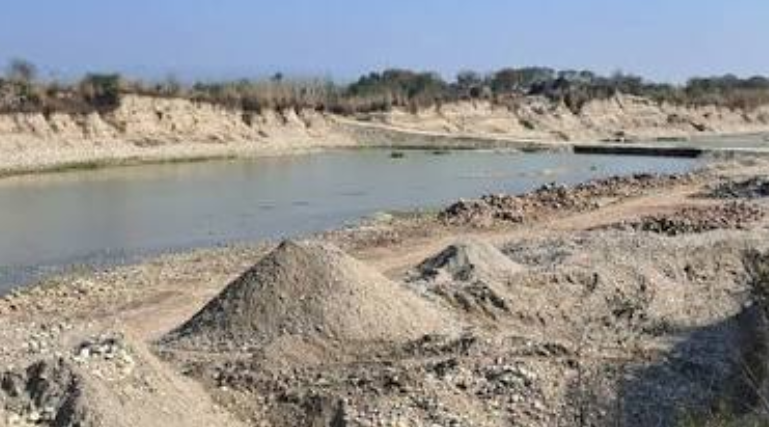
The confrontation comes as mining activities in Ropar district have become a focus of political debate. The Congress has stepped up its criticism of the AAP government over alleged irregularities in mining operations.
A day before Rana’s confrontation, former Punjab Chief Minister Charanjit Singh Channi visited a mining site in the Nurpur area near Anandpur Sahib. Channi alleged that large-scale illegal mining was taking place in the district, particularly at night.
He subsequently made further allegations at a press conference in Chandigarh concerning money allegedly collected from illegal mining operations by relatives of a minister in the state government. These claims were reported as allegations and have not been established as proven facts in the cited report.
The controversy has widened the debate from the regulation of mining activity to the enforcement of rules, collection of government revenue and accountability of officials responsible for overseeing the sector.
NGT Compensation Adds to the Scrutiny
The district has also faced regulatory action connected with alleged illegal mining. According to The Tribune, the National Green Tribunal (NGT) imposed environmental compensation of approximately ₹630 crore on several stone-crusher owners in Ropar district in connection with illegal mining.
The report stated that the amount had yet to be recovered by the state government. The outstanding compensation has added another dimension to questions about enforcement and the recovery of funds linked to environmental violations.
The Nangal checkpoint controversy is a separate issue concerning the collection of border area infrastructure cess. However, both matters have drawn attention to the mechanisms through which mining-related rules are implemented and government revenue is collected or recovered.
The allegations raised by Rana now place the focus on whether the cess collection process is being conducted under appropriate departmental supervision and whether the money collected is fully accounted for.
Transparency and Accountability Remain Central Questions
The confrontation has intensified demands for clear information about the Nangal checkpoint’s operations. The key questions include the authorisation for collecting ₹3,000 per tipper, the daily volume of collections, the officials responsible for supervision and the amount ultimately deposited into the state treasury.
An official response from the Mining Department would be necessary to establish the legal and administrative details of the collection process and address the allegations raised by the Congress leader.
With mining becoming a prominent political issue in Ropar ahead of the 2027 Assembly elections, the dispute is likely to keep attention on revenue collection, enforcement and the functioning of the state’s mining administration.
For now, Rana’s allegations remain claims that require verification. The central issue is whether the government can provide transparent records and clarify how the cess is collected, supervised and accounted for at the Nangal checkpoint.