

27 October 2026 (Navroze Bureau) At least 16 people were bitten by a suspected rabid stray dog in Balumath, in Jharkhand’s Latehar district, in a single day, raising concerns about public safety and the need for stronger rabies prevention measures. The victims, aged between 8 and 35, reportedly suffered multiple injuries and received medical treatment, including anti-rabies vaccines and anti-tetanus injections. The dog’s infection with rabies was not independently confirmed in the available reports.
The incident highlights a wider public health challenge: preventing dog-mediated rabies through coordinated vaccination programmes, accessible treatment after animal bites and effective management of free-roaming dog populations.
Rabies is a viral disease that affects the central nervous system. Once clinical symptoms appear, it is almost invariably fatal. However, timely medical care after exposure can prevent the disease from developing. This makes immediate treatment and preventive vaccination critical whenever a person is bitten or scratched by an animal that could carry the virus.
What Happened in Balumath?
According to local reports, the attacks occurred at different locations within the Balumath police station area, with victims continuing to arrive at the local Community Health Centre until late at night. Some suffered deep wounds and multiple bite marks.
Health centre officials said the injured people received anti-rabies vaccination, anti-tetanus injections and medicines to manage their injuries. Reports also raised concerns about the availability of facilities for catching and managing stray dogs in the district.
Residents suspected that a stray dog was responsible for the attacks and may have been rabid. However, the animal’s condition was not independently established. The incident nevertheless prompted renewed attention to the need for coordinated responses involving health authorities, veterinary services and local administrations.
Why Strategic Dog Vaccination Matters
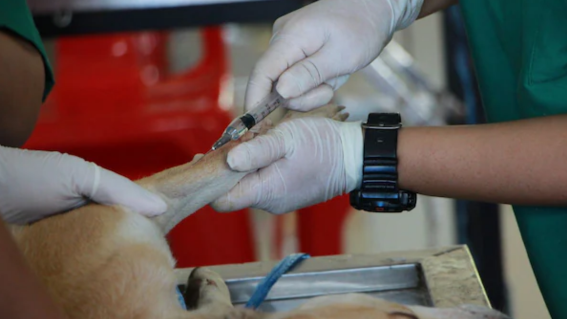
Vaccinating dogs is one of the most effective ways to prevent rabies from spreading to people. The World Health Organization estimates that dogs account for up to 99% of human rabies transmission worldwide.
When a large proportion of the dog population is vaccinated, the virus has fewer susceptible animals through which to spread. The WHO identifies vaccination coverage of around 70% of dogs in at-risk communities as an important target for interrupting transmission.
Achieving this coverage requires more than occasional vaccination camps. Authorities need sustained, area-based programmes that reach both owned and free-roaming dogs, maintain vaccination records and arrange follow-up where necessary.
Targeted vaccination can be particularly important in areas where dog bites are frequently reported, access to veterinary services is limited or animals move between neighbouring communities. Mapping bite incidents and coordinating vaccination teams can help authorities identify gaps and direct resources where they are most needed.
Vaccination also works best as part of a broader rabies-control strategy. Public education, responsible pet ownership, accessible post-bite treatment and humane dog population management are all important components.
Why One-Time Vaccination Drives Are Not Enough
Dog populations change over time as puppies are born, animals move between areas and previously vaccinated dogs die. As a result, a single vaccination campaign cannot provide permanent protection to an entire community.
Regular vaccination drives are needed to maintain coverage and reach animals missed during earlier campaigns. Local authorities also need reliable information about dog populations, vaccination status and locations where attacks have occurred.
Sterilisation programmes can support longer-term dog population management, but sterilisation and rabies vaccination serve different purposes. Sterilisation does not protect an animal from rabies, so vaccination remains essential even when animal birth control programmes are operating.
Cooperation between municipal bodies, veterinary departments, animal welfare organisations and public health officials can make these programmes more effective. Communities can help by reporting suspected rabid animals to the appropriate authorities rather than attempting to catch or handle them themselves.
What Should People Do After a Dog Bite?
The most important step after a dog bite or potentially risky scratch is to seek medical attention immediately. People should not wait for symptoms to appear or assume that an animal is safe because it looks healthy.
The recommended immediate response includes the following:
- Wash the wound: Thoroughly flush and wash the affected area with soap and running water for at least 15 minutes.
- Seek urgent medical care: A healthcare professional should assess the exposure and determine the required rabies post-exposure treatment.
- Complete the recommended treatment: Rabies vaccination and, for certain severe exposures, rabies immunoglobulin may be necessary. The treatment depends on the nature of the wound and the person’s vaccination history.
- Do not delay: Rabies prevention is most effective when treatment begins promptly, before symptoms develop.
People should also follow medical advice about subsequent vaccine doses and wound care. They should not rely on home remedies or wait to see whether the animal becomes ill.
India’s National Rabies Control Programme provides information on post-exposure care and vaccination through its official portal. Its guidance supports the broader national goal of eliminating dog-mediated human rabies.
A Coordinated Approach Is Needed
The Balumath incident demonstrates how multiple dog bites in a short period can create immediate pressure on local health facilities and generate concern among residents. It also illustrates why rabies prevention cannot depend on emergency treatment alone.
Mass dog vaccination, regular monitoring, humane animal management and public awareness must work together. Health facilities need access to rabies vaccines and other required treatments, while local administrations need systems to respond to suspected rabid animals and recurring bite incidents.
The long-term objective is to prevent both dog bites and rabies deaths without relying solely on action after an attack has occurred. Sustained vaccination coverage, rapid medical intervention and coordination between animal and human health services remain central to that effort.