
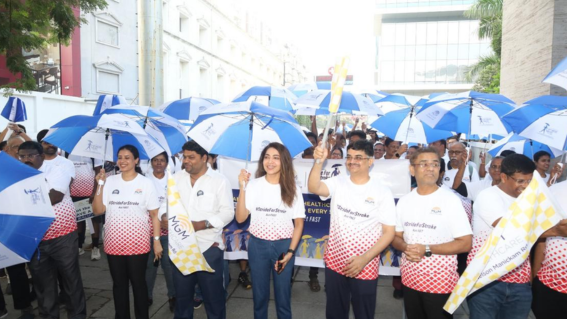
30 October 2026 (Navroze Bureau) MGM Healthcare organised a walkathon to mark World Stroke Day, bringing together healthcare professionals, participants and members of the community to spread awareness about stroke prevention, early recognition and timely medical treatment.
The initiative aimed to highlight the growing importance of public awareness about stroke, a serious medical condition that can cause long-term disability and even prove fatal if treatment is delayed. Through the walkathon, the hospital encouraged people to adopt healthier lifestyles, understand the warning signs of stroke and seek immediate medical assistance when symptoms appear.
World Stroke Day is observed every year on October 29 to raise awareness about stroke and promote better prevention, treatment and rehabilitation services.
Focus on Stroke Awareness and Prevention
The walkathon was organised as part of MGM Healthcare’s efforts to encourage community participation in preventive healthcare activities. Such awareness initiatives help communicate important health messages beyond hospitals and medical facilities.
Stroke occurs when the blood supply to a part of the brain is interrupted or when a blood vessel in the brain ruptures. As a result, brain cells begin to suffer damage because they do not receive adequate oxygen and nutrients.
The two major types of stroke are ischaemic stroke, caused by a blockage in a blood vessel, and haemorrhagic stroke, which occurs when a blood vessel ruptures and causes bleeding in the brain.
Medical professionals emphasise that recognising symptoms quickly and reaching an appropriate hospital without delay can significantly influence treatment outcomes.
Recognising the Warning Signs
One of the key messages associated with World Stroke Day is the importance of identifying stroke symptoms at an early stage.
The FAST method is commonly used to help people recognise the warning signs:
- Face: One side of the face may droop or become numb.
- Arms: A person may experience weakness or difficulty raising one arm.
- Speech: Speech may become unclear, slurred or difficult to understand.
- Time: Emergency medical assistance should be sought immediately.
Other possible symptoms include sudden vision problems, dizziness, loss of balance, confusion or a severe headache without an obvious cause.
Healthcare experts advise people not to wait for symptoms to disappear on their own. Even if the symptoms improve after a short period, immediate medical evaluation remains important.
Timely Treatment Can Make a Difference
Stroke is a medical emergency, and treatment options depend on the type of stroke, the time since symptoms began and the patient’s overall medical condition.
For certain patients experiencing an ischaemic stroke, doctors may consider clot-dissolving medication or specialised procedures to remove the blockage. These treatments are time-sensitive, making early hospital arrival particularly important.
Patients with haemorrhagic stroke require a different treatment approach, which may involve controlling bleeding, managing blood pressure and, in selected cases, surgical or other specialised interventions.
The walkathon served as an opportunity to remind the public that stroke care does not end with emergency treatment. Rehabilitation, physiotherapy, speech therapy and ongoing medical support can play an important role in recovery.
Lifestyle Changes Can Help Reduce Risk
Several health conditions and lifestyle factors can increase the risk of stroke. High blood pressure is among the most important risk factors, while diabetes, high cholesterol, smoking, obesity and physical inactivity can also contribute.
Healthcare professionals recommend regular health check-ups, maintaining a balanced diet, engaging in physical activity, avoiding tobacco and managing existing medical conditions.
A walkathon also carries a simple message: regular movement and physical activity can form part of a healthier lifestyle. However, exercise should be combined with medical advice and appropriate management of individual risk factors.
World Stroke Day Encourages Collective Action
World Stroke Day provides an opportunity for hospitals, medical organisations and communities to work together to improve awareness and access to stroke care.
By organising the walkathon, MGM Healthcare highlighted the importance of public participation in health awareness campaigns. The initiative also encouraged individuals and families to learn the warning signs of stroke and understand why immediate medical attention is essential.
As stroke continues to be an important public health concern, awareness, prevention and timely treatment remain central to reducing its impact. The message of the World Stroke Day initiative was clear: recognising symptoms early and acting quickly can help save lives and reduce the risk of long-term disability.