

17 April 2026 (Navroze Bureau) : An Ayurvedic doctor has outlined five simple and practical ways to help reduce inflammation naturally, highlighting how everyday lifestyle choices can play a major role in maintaining long-term health. Inflammation, while a natural response of the body to injury or infection, can become harmful when it turns chronic, contributing to a range of health issues including joint pain, digestive problems, and metabolic disorders.
According to Ayurveda, inflammation is often linked to an imbalance in the body’s internal energies, particularly an aggravated “Pitta” dosha. Restoring balance through diet, routine, and natural remedies is key to reducing inflammation and improving overall well-being.
One of the most important recommendations is adopting an anti-inflammatory diet. The expert suggests including fresh, seasonal foods that are easy to digest, such as fruits, vegetables, whole grains, and healthy fats. Spices like turmeric, ginger, and cumin are particularly valued in Ayurveda for their anti-inflammatory properties. At the same time, processed foods, excessive sugar, and deep-fried items should be limited, as they can trigger or worsen inflammation.
Hydration also plays a crucial role. Drinking adequate water throughout the day helps flush out toxins from the body and supports metabolic processes. Warm water or herbal teas are often recommended in Ayurveda, as they are believed to aid digestion and reduce internal irritation.
Another key factor is maintaining a consistent daily routine. Irregular eating and sleeping patterns can disrupt the body’s natural balance, leading to increased stress and inflammation. Going to bed and waking up at the same time each day, along with regular meal timings, can help stabilise bodily functions.
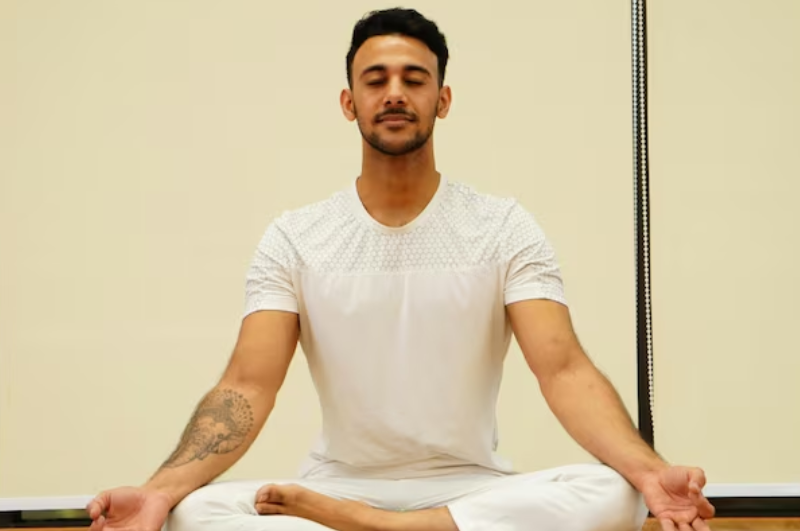
Stress management is equally important. Chronic stress is a major contributor to inflammation, as it triggers hormonal changes that can affect the immune system. Practices such as meditation, deep breathing, and yoga are recommended to calm the mind and reduce stress levels. Even a few minutes of mindfulness each day can have a positive impact.
Physical activity is another essential component. Regular, moderate exercise helps improve circulation, boost immunity, and reduce inflammatory markers in the body. Activities like walking, yoga, or light stretching are often preferred, as they are gentle yet effective.
The Ayurvedic doctor also emphasises the importance of proper digestion. In Ayurveda, poor digestion is believed to lead to the accumulation of toxins, known as “ama,” which can contribute to inflammation. Eating mindfully, avoiding overeating, and allowing enough time between meals can support better digestion.
Sleep quality is another factor that should not be overlooked. Lack of adequate rest can disrupt the body’s repair mechanisms and increase inflammation. Ensuring 7–8 hours of quality sleep each night is essential for recovery and overall health.
Experts note that while these lifestyle changes can be beneficial, they should be seen as part of a holistic approach to health. Chronic inflammation can be linked to underlying medical conditions, and individuals experiencing persistent symptoms should seek professional medical advice.
The growing interest in natural and preventive healthcare has brought Ayurveda into focus, with many people looking for ways to manage health issues through lifestyle changes rather than relying solely on medication.
Incorporating these simple habits into daily life can help not only reduce inflammation but also improve energy levels, digestion, and mental well-being. The emphasis on balance and consistency aligns with the broader principles of Ayurveda, which focus on maintaining harmony within the body.
In conclusion, the Ayurvedic approach to reducing inflammation highlights the importance of small, sustainable changes. By focusing on diet, routine, stress management, and overall lifestyle, individuals can take proactive steps toward better health and long-term wellness.
Summary
An Ayurvedic doctor suggests five simple ways to reduce inflammation, including a healthy diet, hydration, routine, stress management, and exercise, promoting natural and holistic approaches to long-term health.