

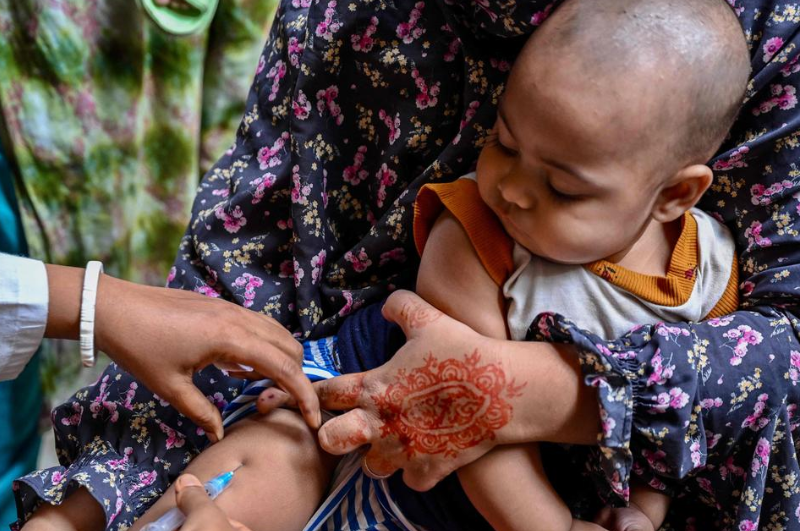
15 April 2026 (Navroze Bureau) : A severe measles outbreak in Bangladesh has raised fresh concerns across the region, with health experts warning that India could face similar risks if gaps in immunisation are not urgently addressed. The outbreak, which has already claimed the lives of over 100 children, underscores how quickly a preventable disease can resurface when vaccination coverage drops.
Measles, a highly contagious viral infection, spreads rapidly in communities where immunity levels are low. The recent surge in Bangladesh is being attributed to disruptions in vaccination programs, particularly during and after the COVID-19 pandemic, along with challenges in healthcare delivery in certain regions. Even a small decline in immunisation rates can create vulnerable pockets, allowing the virus to spread aggressively.
For India, the situation is a stark warning. Despite significant progress in expanding vaccination coverage over the past decade, the country still faces uneven immunisation levels across different states and communities. Certain regions, especially those with high population density, limited healthcare access, or migrant populations, remain at higher risk. These gaps can become breeding grounds for outbreaks if not addressed promptly.
Health experts point out that measles requires extremely high levels of immunity in the population to prevent outbreaks. If vaccination coverage falls even slightly below the required threshold, the disease can spread rapidly. This is particularly concerning in densely populated areas, where close contact among individuals accelerates transmission.
India’s immunisation programs, including large-scale initiatives to vaccinate children, have played a crucial role in reducing disease burden. However, maintaining consistency remains a challenge. Many children receive the first dose of the measles vaccine but miss the second, which is essential for full protection. This incomplete immunisation leaves them vulnerable and contributes to the risk of outbreaks.
The Bangladesh outbreak also highlights the importance of strong disease surveillance systems. Early detection and rapid response are critical in containing infections before they escalate into large-scale crises. Delays in identifying cases or responding effectively can allow the virus to spread unchecked, increasing both infections and fatalities.
Another key concern is vaccine hesitancy, which continues to affect immunisation efforts in various parts of the region. Misinformation and lack of awareness can discourage parents from vaccinating their children, further weakening community immunity. Addressing these challenges requires sustained public health campaigns and trust-building measures.
The impact of measles goes beyond infection alone. The disease can lead to severe complications, particularly in young children, including pneumonia, brain inflammation, and even death. Malnourished children and those with weaker immune systems are especially vulnerable, making timely vaccination even more critical.
The current situation also reflects a broader global trend, where measles cases have been rising in several countries due to declining vaccination rates. This resurgence serves as a reminder that progress in disease control can be reversed if vigilance is not maintained.
For India, the lesson is clear. Strengthening last-mile delivery of healthcare services is essential to ensure that vaccines reach every child, regardless of location or socio-economic status. Special attention needs to be given to underserved communities, including those in rural areas and urban slums, where access to healthcare can be limited.
Ensuring that children receive both doses of the measles vaccine is equally important. Public health authorities must focus not only on initiating vaccination but also on completing the schedule. This requires better tracking systems, community engagement, and follow-up mechanisms.
Preparedness is another crucial factor. Hospitals and healthcare systems must be equipped to handle sudden surges in cases, with adequate resources and trained personnel. Rapid response teams and emergency vaccination drives can play a vital role in controlling outbreaks.
The outbreak in Bangladesh is a reminder that infectious diseases do not respect borders. In an interconnected region, the health situation in one country can have implications for its neighbors. Coordinated efforts and information sharing between countries can help strengthen regional preparedness.
In conclusion, the measles surge in Bangladesh serves as a warning for India to remain vigilant and proactive. While significant progress has been made in immunisation, gaps still exist that could lead to similar outbreaks if left unaddressed. Strengthening vaccination coverage, improving surveillance, and ensuring timely healthcare access will be key to preventing a public health crisis in the future.
Summary
Bangladesh’s measles outbreak highlights vaccination gaps and warns India to strengthen immunisation, surveillance, and healthcare delivery to prevent similar outbreaks and protect children from a highly contagious, preventable disease.