

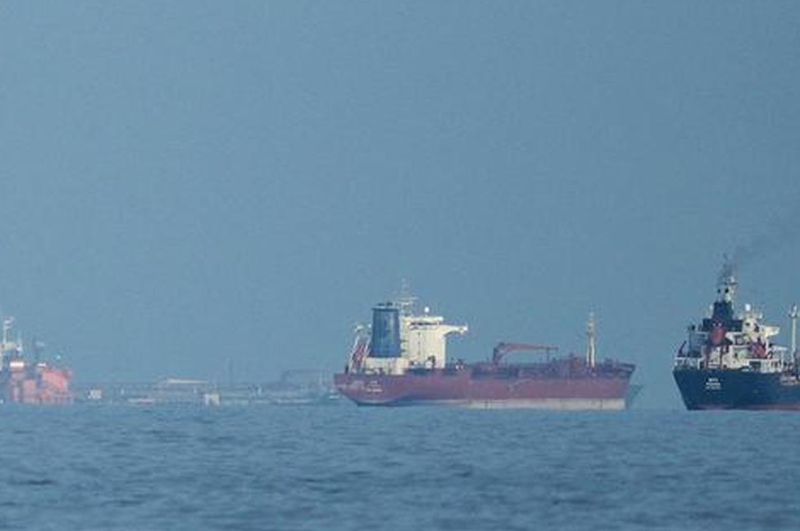
15 April 2026 (Navroze Bureau) : The United States has effectively shut down Iran’s maritime trade after enforcing a sweeping naval blockade, even as signs of renewed diplomatic engagement between the two countries emerge.
According to officials, the blockade—implemented by U.S. Central Command—has halted nearly all sea-based trade to and from Iran, a move that directly impacts a major portion of the country’s economy. Estimates suggest that maritime routes account for around 90% of Iran’s trade activity, making the action one of the most significant economic pressures in the ongoing conflict.
The operation was launched after peace talks between Washington and Tehran failed to produce a breakthrough. U.S. forces began intercepting and turning back vessels linked to Iranian ports, with multiple ships already forced to reverse course.
Military officials say the blockade was implemented rapidly and has already achieved near-total control over maritime access to Iran. U.S. naval forces, backed by surveillance aircraft and regional deployments, have ensured that no ships are able to enter or exit Iranian ports freely.
Despite this aggressive move, the U.S. leadership has maintained that the goal is not prolonged conflict but a negotiated settlement. President Donald Trump has expressed optimism that talks with Iran could resume within days, possibly in Pakistan, signaling a dual strategy of pressure and diplomacy.
The blockade comes amid a fragile ceasefire in the broader Iran conflict, which has already caused thousands of casualties across the region. Continued fighting involving allied groups in places like Lebanon further complicates the situation, keeping tensions high despite diplomatic signals.
Strategically, the focus of the blockade is the Strait of Hormuz, one of the world’s most critical shipping routes for oil and gas. The disruption of traffic through this narrow corridor has global implications, as a significant portion of the world’s energy supply passes through it.
The economic impact is already being felt beyond Iran. Oil markets have reacted sharply in recent days, with prices fluctuating amid concerns over supply disruptions. Shipping activity in the region has also slowed significantly, with insurers and companies reassessing risks.
At the same time, global powers have voiced concern. Countries like China have criticised the blockade as escalatory, warning that it could worsen an already fragile situation and undermine ceasefire efforts.
Analysts describe the move as a high-risk, high-pressure strategy aimed at forcing Iran back to the negotiating table. By targeting Iran’s economic lifeline—its oil exports—the U.S. is attempting to gain leverage in discussions over key issues such as nuclear restrictions and sanctions relief.
However, the risks remain substantial. Experts warn that such a blockade could provoke retaliation from Iran, including attacks on shipping lanes or escalation in regional conflicts. The presence of mines and military assets in the Strait of Hormuz has already heightened fears of accidental or deliberate confrontation.
For now, the situation reflects a delicate balance between military escalation and diplomatic opportunity. While the blockade has tightened economic pressure on Iran, both sides appear to be keeping the door open for negotiations.
Summary
The U.S. has halted Iran’s maritime trade through a naval blockade, increasing economic pressure while still pushing for peace talks, raising global concerns over escalation and energy supply disruptions.