

27 july 2026 (Navroze Bureau) : A Chinese university has launched an investigation into the death of a six-year-old girl who reportedly died after receiving an experimental gene-editing therapy in a clinical trial.
The case has raised serious questions about the safety of experimental gene therapies, ethical oversight and transparency in biomedical research after details of the child’s death were reportedly not disclosed in published research linked to the project.
Child Died Days After Experimental Treatment
The girl, identified by the pseudonym “Mei”, reportedly had a rare genetic condition associated with delayed cognitive development.
According to an investigation by Science and Retraction Watch, she received an experimental therapy in Shanghai in 2025. The treatment involved a spinal infusion of billions or trillions of viral particles designed to deliver gene-editing instructions to cells in the brain.
The child reportedly died about a week after receiving the treatment. Her parents have said they believe she suffered a severe immune reaction linked to the therapy.
Shanghai Jiao Tong University Launches Probe
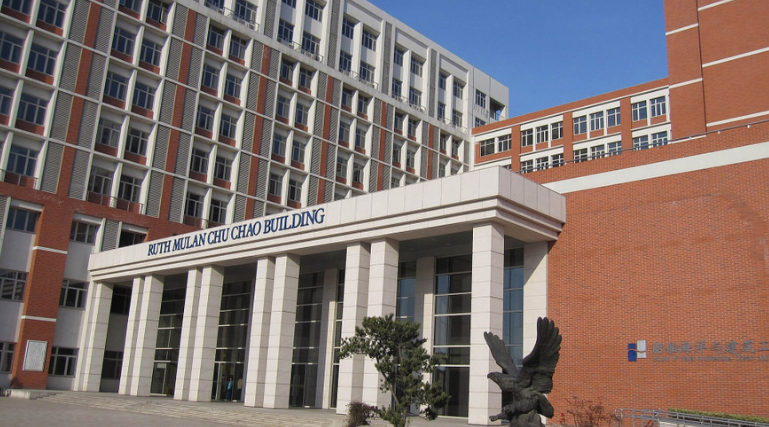
The Shanghai Jiao Tong University School of Medicine said it had established a special working group to conduct a comprehensive investigation into the incident.
The university said it attached great importance to the matter and indicated that action would be taken based on the findings of the inquiry.
Questions Over Transparency
The case has drawn particular attention because the child’s death was reportedly not made public at the time.
The lead researcher, neuroscientist Qiu Zilong, later published research related to the gene-editing work, but the reported death was not mentioned in the published paper, according to the investigation.
The family has reportedly sought accountability and asked for the relevant research to be withdrawn. The case has prompted questions about how serious adverse events in experimental research should be reported and reviewed.
Parents Reportedly Funded the Experiment
Reports said the girl’s parents paid more than $800,000 to support the experimental treatment and its development.
The financial arrangement has added another layer to the ethical questions surrounding the case, particularly regarding informed consent, the risks explained to the family and the oversight of experimental therapies involving children.
Gene-Editing Therapy Carries Complex Risks
Gene-editing treatments are being developed to correct genetic mutations responsible for serious diseases.
However, therapies that use viral vectors to deliver gene-editing tools can trigger powerful immune responses. Researchers must carefully assess factors including the treatment dose, delivery method and potential immune complications before such therapies are used in humans.
In this case, the reported fatal outcome has intensified concerns over whether adequate safeguards were in place.
A Major Test for Research Ethics
The investigation could have wider implications for China’s rapidly expanding biotechnology sector.
China has invested heavily in gene therapy and gene-editing research, seeking to become a global leader in advanced biomedical science. The case highlights the importance of ensuring that scientific ambition is matched by strict clinical oversight and ethical safeguards.
Why the Case Matters
The death has reignited debate over the risks of experimental treatments, particularly when they involve children and conditions that may not be immediately life-threatening.
The case also highlights the importance of independent review, transparent reporting of adverse events and clear communication with families before experimental medical procedures are undertaken.
The university’s investigation is expected to determine what happened during the trial and whether proper research, medical and ethical procedures were followed.