

1 May, 2026 (Navroze Bureau) : The rapidly evolving field of microbiome science is entering a new phase of innovation, with postbiotics emerging as a promising frontier in health, nutrition, and medicine. As researchers deepen their understanding of the human gut ecosystem, postbiotics are gaining attention for their stability, safety, and potential therapeutic benefits compared to traditional probiotics and prebiotics.
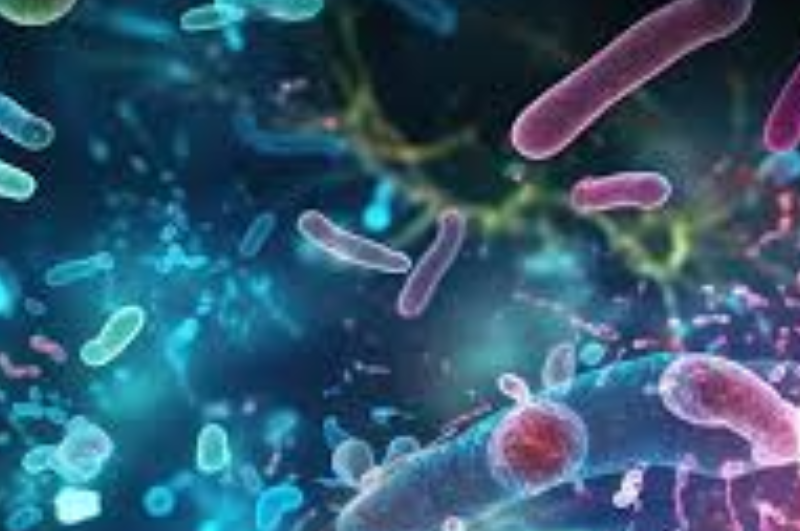
The human microbiome, composed of trillions of microorganisms residing primarily in the gut, plays a critical role in digestion, immunity, metabolism, and even mental health. For years, probiotics—live beneficial bacteria—and prebiotics—fibers that feed these bacteria—have dominated the conversation around gut health. However, postbiotics, defined as bioactive compounds produced by beneficial microbes, are now taking center stage.
Postbiotics include substances such as short-chain fatty acids, enzymes, peptides, cell wall fragments, and metabolites that are generated when probiotic bacteria break down nutrients in the gut. Unlike probiotics, which require live organisms to be effective, postbiotics are non-living, making them more stable, easier to store, and less sensitive to environmental conditions such as heat and humidity.
Experts say this stability offers a significant advantage in product development. “Postbiotics eliminate many of the challenges associated with maintaining the viability of live bacteria in supplements and functional foods,” noted a leading microbiome researcher. This opens new opportunities for incorporating gut-health benefits into a wider range of products, including beverages, snacks, and medical formulations.
The growing interest in postbiotics is also being driven by their potential health benefits. Scientific studies suggest that postbiotics can help regulate immune responses, reduce inflammation, improve gut barrier function, and support metabolic health. Some research even points to their possible role in managing conditions such as irritable bowel syndrome (IBS), obesity, and certain infections.
In the clinical space, postbiotics are being explored as safer alternatives for vulnerable populations, including infants, elderly individuals, and immunocompromised patients. Since they do not contain live microorganisms, the risk of infection or adverse reactions is significantly reduced. This makes them particularly attractive in pediatric nutrition and hospital settings.
The food and nutraceutical industries are also embracing postbiotic innovation. Companies are investing in advanced fermentation technologies to produce targeted bioactive compounds with specific health benefits. Functional foods enriched with postbiotics are beginning to appear in global markets, reflecting a shift toward precision nutrition—where products are tailored to individual health needs.
In India, where digestive health issues are increasingly prevalent due to changing diets and lifestyles, the demand for microbiome-based solutions is rising. Industry experts believe postbiotics could play a key role in addressing these challenges by offering accessible and effective gut-health interventions. The country’s growing nutraceutical sector is already exploring ways to integrate postbiotic ingredients into traditional and modern food products.
Regulatory frameworks are also evolving to accommodate this emerging category. While probiotics have established guidelines in many countries, postbiotics are still being defined and standardized. International health organizations and regulatory bodies are working toward clearer definitions and safety standards, which will be crucial for consumer trust and industry growth.
Despite the excitement, experts caution that more research is needed to fully understand the mechanisms and long-term effects of postbiotics. The human microbiome is highly complex, and responses to microbial compounds can vary widely between individuals. Large-scale clinical trials and standardized production methods will be essential to validate claims and ensure consistent quality.
Another key area of focus is personalization. Advances in microbiome sequencing and data analytics are enabling scientists to develop targeted postbiotic solutions based on an individual’s unique gut profile. This approach could revolutionize healthcare by moving from generalized treatments to highly customized interventions.
The integration of artificial intelligence and biotechnology is further accelerating innovation in this field. Researchers are using AI to identify beneficial microbial strains and optimize fermentation processes, leading to more efficient production of high-quality postbiotics. This convergence of technology and biology is expected to unlock new possibilities in disease prevention and health optimization.
As awareness of gut health continues to grow, postbiotics are poised to become a cornerstone of next-generation wellness solutions. Their versatility, safety, and scientific backing position them as a powerful tool in the ongoing effort to harness the microbiome for better health outcomes.
In conclusion, the expansion of microbiome innovation through postbiotics marks a significant shift in the landscape of health and nutrition. While challenges remain, the potential benefits are substantial, offering new hope for improved well-being and disease management in the years ahead.
Summary:
Postbiotics are emerging as a stable, safe, and effective innovation in microbiome science, offering new opportunities in gut health, nutrition, and therapeutics with growing global research and industry interest.