

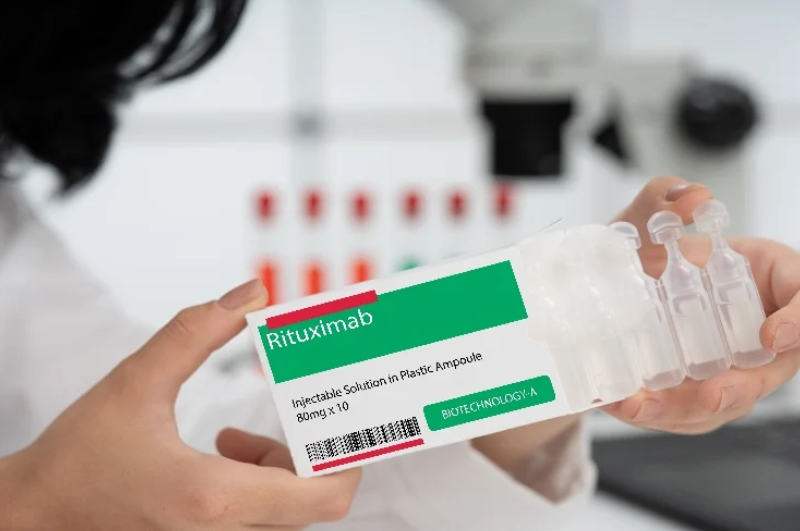
1 May, 2026 (Navroze Bureau) : The risk of Hepatitis B virus (HBV) reactivation after the withdrawal of rituximab therapy is emerging as a critical concern in modern clinical practice, particularly among patients undergoing treatment for cancers and autoimmune disorders. As the use of rituximab continues to expand globally, healthcare professionals are being urged to remain vigilant about delayed viral reactivation—even after therapy has ended.
Rituximab, a monoclonal antibody widely used in the treatment of non-Hodgkin lymphoma, chronic lymphocytic leukemia, and several autoimmune diseases, works by targeting CD20-positive B cells. While this mechanism is effective in controlling disease, it also suppresses the immune system, impairing the body’s ability to keep latent infections like HBV under control.
HBV reactivation occurs when the virus, previously dormant or controlled, begins to replicate again, leading to a sudden increase in viral load. This can result in a range of clinical outcomes, from mild, asymptomatic elevations in liver enzymes to severe hepatitis, liver failure, and even death in extreme cases.
What makes rituximab particularly concerning is the delayed nature of HBV reactivation. Studies have shown that reactivation can occur not only during treatment but also months or even years after the drug has been discontinued. This delayed effect is attributed to prolonged B-cell depletion, which can last well beyond the treatment period. As the immune system gradually recovers, it may trigger a rebound in viral activity, leading to liver inflammation.
Experts highlight that patients with chronic HBV infection (HBsAg-positive) are at the highest risk. However, individuals with resolved infection (HBsAg-negative but anti-HBc-positive) are also vulnerable, as the virus can persist in a latent form within liver cells. In these patients, the absence of active symptoms can make reactivation more difficult to detect until significant liver damage has occurred.
The issue is particularly relevant in countries like India, where HBV remains a significant public health concern. With a sizable portion of the population exposed to the virus, the increasing use of immunosuppressive therapies raises the stakes for effective screening and prevention strategies.
Medical guidelines strongly recommend screening all patients for HBV before initiating rituximab therapy. This includes testing for HBsAg, anti-HBc, and, in some cases, HBV DNA levels. Early identification of at-risk individuals allows clinicians to implement preventive measures, most notably antiviral prophylaxis.
Antiviral medications such as entecavir and tenofovir have been shown to significantly reduce the risk of HBV reactivation. These drugs are typically started before or alongside rituximab treatment and continued for an extended period after therapy ends. Current recommendations suggest maintaining antiviral prophylaxis for at least 12 to 18 months post-treatment, although some experts advocate for longer durations in high-risk cases.
Despite these recommendations, gaps in clinical practice remain. In some cases, patients do not receive adequate prophylaxis or are not monitored closely after treatment cessation. This can lead to missed opportunities for early intervention and increase the likelihood of severe outcomes.
Monitoring plays a crucial role in managing post-rituximab HBV risk. Regular follow-up tests, including liver function tests and HBV DNA measurements, are essential for early detection of viral reactivation. Experts recommend continued surveillance for at least one year after stopping antiviral therapy, as reactivation can still occur during this period.
Another emerging area of focus is patient awareness. Many patients are unaware of the long-term risks associated with their treatment, particularly once therapy has concluded. Healthcare providers are being encouraged to educate patients about the signs and symptoms of liver dysfunction, such as fatigue, jaundice, and abdominal pain, and to stress the importance of follow-up care.
Research into HBV reactivation is ongoing, with scientists working to better understand the underlying mechanisms and identify patients at highest risk. Advances in diagnostic tools and personalized medicine may eventually allow for more tailored prevention strategies, improving outcomes and reducing complications.
The integration of electronic health records and clinical decision support systems is also helping to improve adherence to screening and monitoring guidelines. By flagging at-risk patients and prompting timely interventions, these technologies can play a vital role in reducing the burden of HBV-related complications.
As the medical community continues to grapple with the complexities of immunosuppressive therapy, the case of HBV reactivation after rituximab withdrawal serves as a powerful reminder of the importance of long-term care. While rituximab remains a valuable and often life-saving treatment, its potential to trigger delayed viral complications underscores the need for comprehensive patient management.
In conclusion, HBV reactivation following rituximab withdrawal is a preventable yet potentially serious condition that requires sustained attention from both clinicians and patients. With proper screening, prophylaxis, and monitoring, the risks can be significantly reduced, ensuring safer outcomes in an era of increasingly advanced medical therapies.
Summary:
HBV reactivation after rituximab withdrawal poses serious delayed risks. Experts stress screening, antiviral prophylaxis, and long-term monitoring to prevent severe liver complications in vulnerable patients undergoing immunosuppressive therapy.