

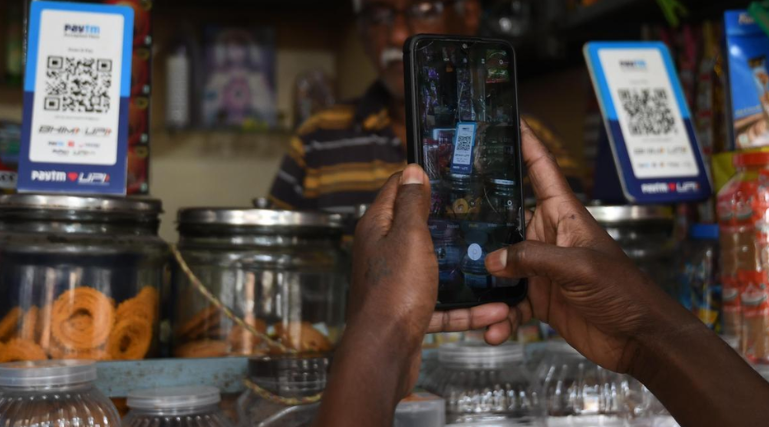
15 September 2026 (Navroze Bureau) : The Central government has barred banks and payment system providers from imposing direct or indirect charges on UPI transactions of up to ₹2,000, while payments made through RuPay-powered debit cards will also remain free of such charges.
The Finance Ministry notified the change under the Payment and Settlement Systems Act, 2007, amid growing concerns that recent amendments to India’s digital payments framework could lead to charges on UPI transactions.
UPI Payments Up to ₹2,000 Protected
Under the latest notification, Unified Payments Interface (UPI) transactions up to ₹2,000 have been specifically classified as electronic modes of payment protected from charges.
The government has directed that no bank or system provider can impose a charge, either directly or indirectly, on a person making or receiving a payment through the specified modes.
RuPay Debit Card Payments Also Remain Free
The protection also applies to debit cards powered by RuPay.
This means users making payments through eligible RuPay debit cards will not face transaction charges imposed by banks or payment system providers under the notified provision.
What About UPI Payments Above ₹2,000?
The notification establishes the ₹2,000 threshold for the no-charge protection. It also potentially creates room for charges on higher-value UPI transactions, particularly merchant payments, under the evolving Merchant Discount Rate (MDR) framework.
However, the government has not announced a universal fee that consumers will have to pay for UPI transactions above ₹2,000. The exact structure for any higher-value merchant charges is expected to depend on subsequent rules and implementation.
Consumers Will Not Be Charged for P2P UPI
The government has previously clarified that person-to-person UPI transactions will remain free.
The broader policy discussion is focused mainly on merchant transactions and the sustainability of the UPI ecosystem, rather than imposing a transaction fee directly on ordinary users.
Why the Government Made the Change
The notification follows amendments to the Payment and Settlement Systems Act that gave the government greater power to specify electronic payment modes that should remain protected from charges.
The move is intended to provide clarity over which digital payment transactions are guaranteed to remain charge-free while allowing the payments ecosystem to evolve around higher-value merchant transactions.
UPI’s Zero-MDR Model Under Review
UPI has operated for years under a zero-MDR model, meaning merchants generally have not paid a standard transaction fee for regular UPI payments.
The government has been examining ways to ensure the long-term financial sustainability of the UPI ecosystem while keeping small-value digital payments accessible.
Small Payments Get Clear Protection
The ₹2,000 threshold is particularly significant for everyday transactions.
Payments at small shops, restaurants, pharmacies, local businesses and other establishments often fall within this range. Keeping these transactions free can help preserve UPI’s appeal as a convenient alternative to cash.
No Immediate Impact on Ordinary UPI Users
For users making UPI payments of ₹2,000 or less, the latest notification means there is no need to worry about banks or payment system providers imposing direct or indirect charges.
For larger merchant payments, however, the regulatory framework is changing and further details on any applicable MDR structure will be important.