

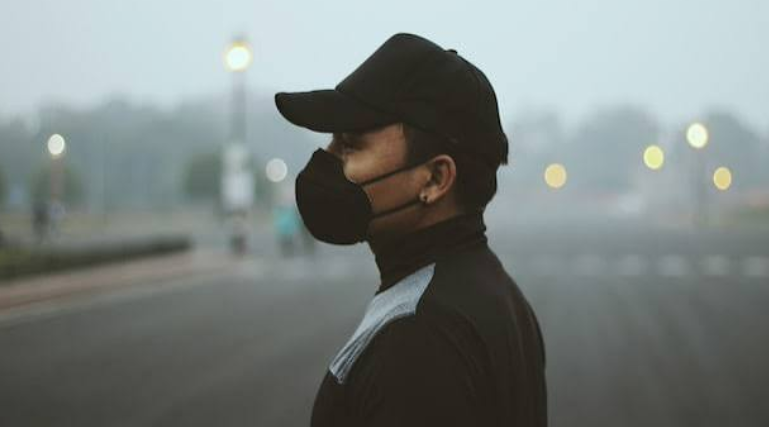
5 November 2026 (Navroze Bureau) Delhi-NCR is facing another serious air pollution crisis as air quality deteriorates with the arrival of winter. With pollution levels rising to the ‘Very Poor’ category, authorities have implemented Stage II of the Graded Response Action Plan (GRAP-II) across Delhi-NCR. The restrictions aim to control pollution from vehicles, road dust, construction activities and industrial emissions while reducing the health risks faced by millions of residents.
The decision was taken on November 2, 2026, after Delhi’s Air Quality Index (AQI) increased to 324. The situation worsened further on November 4, when Delhi’s overall AQI reached 379, placing it in the ‘Very Poor’ category.
GRAP-II introduces additional pollution-control measures over and above the restrictions already applicable under GRAP-I. These measures are designed to reduce emissions and prevent air quality from deteriorating further.
What Is GRAP-II and Why Has It Been Implemented?
GRAP stands for Graded Response Action Plan. It is a set of emergency measures introduced by authorities to tackle worsening air pollution in Delhi and the National Capital Region.
The plan has four stages based on the severity of air pollution:
- Stage I: Poor air quality (AQI 201–300).
- Stage II: Very Poor air quality (AQI 301–400).
- Stage III: Severe air quality (AQI 401–450).
- Stage IV: Severe Plus air quality (AQI above 450).
Each stage introduces additional restrictions depending on pollution levels and forecasts.
GRAP-II is triggered when the AQI enters the Very Poor category. Its main objective is to reduce pollution sources before conditions become even more dangerous.
The latest measures cover Delhi as well as other parts of the NCR, including Gurugram, Noida, Ghaziabad and Faridabad.
What Restrictions Have Been Imposed Under GRAP-II?
One of the major components of GRAP-II is the intensification of dust-control measures across the region.
Authorities have been directed to increase mechanical sweeping of roads and regularly sprinkle water to prevent dust particles from entering the atmosphere. Anti-smog guns will also be deployed at identified pollution hotspots and heavily congested areas.
Construction and demolition waste must be collected and transported properly to prevent additional dust pollution.
Municipal authorities are also expected to strengthen monitoring of open waste burning and take action against those violating pollution-control rules.
Another important measure involves stricter enforcement of vehicle pollution regulations. Traffic police will monitor busy roads, check Pollution Under Control (PUC) certificates and take action against visibly polluting vehicles.
Industries, brick kilns and power plants will also face stricter inspections to ensure compliance with prescribed pollution-control standards.
Restaurants, hotels and roadside eateries must avoid using coal or firewood in tandoors and shift to cleaner alternatives such as electricity or gas.
Public Transport Services to Be Increased
Reducing the number of private vehicles on roads is another important objective of GRAP-II.
Authorities have been directed to increase the frequency of Delhi Metro, Regional Rapid Transit System (RRTS) and public bus services, including CNG and electric buses.
The aim is to encourage commuters to use public transport instead of travelling in individual vehicles.
Government departments and private offices have also been encouraged to introduce shared transportation facilities for employees.
Parking charges may be increased to discourage unnecessary use of private vehicles and reduce traffic congestion.
How Can GRAP-II Restrictions Help Your Health?
Air pollution is not just an environmental problem; it is also a major public health concern. Tiny airborne particles, particularly PM2.5 and PM10, can enter the respiratory system and cause inflammation.
PM2.5 particles are especially concerning because they are small enough to travel deep into the lungs and can enter the bloodstream.
Exposure to polluted air can cause several health problems, including:
- Respiratory problems such as coughing, wheezing and breathing difficulties.
- Increased asthma attacks and respiratory irritation.
- Greater risks of heart-related complications.
- Eye and skin irritation.
- Reduced lung function due to prolonged exposure.
GRAP-II restrictions aim to reduce exposure by controlling major sources of pollution. However, these measures cannot immediately remove existing pollutants from the atmosphere.
Who Is Most at Risk During High Pollution Levels?
Although air pollution affects everyone, certain groups are more vulnerable to its harmful effects.
Children are particularly sensitive because their lungs are still developing and they often spend more time outdoors.
Older adults may also experience worsening respiratory and cardiovascular problems during periods of high pollution.
People suffering from asthma, chronic obstructive pulmonary disease (COPD), heart disease and other respiratory conditions should take additional precautions.
Pregnant women should also minimise exposure to heavily polluted outdoor environments.
People who work outdoors, including traffic police, construction workers, delivery personnel and street vendors, may face higher exposure because of the time they spend in polluted surroundings.
What Should Delhi Residents Do to Protect Themselves?
Along with government restrictions, individual precautions are important during periods of high air pollution.
Residents should follow these precautions:
- Limit outdoor activities: Avoid unnecessary outdoor activities when AQI levels are Very Poor or Severe.
- Wear an N95 mask: If going outdoors is unavoidable, a properly fitted N95 respirator can help reduce exposure to fine particles.
- Avoid outdoor exercise: Running, cycling and strenuous workouts outdoors can increase the amount of polluted air entering your lungs.
- Keep windows closed during peak pollution: Ventilate your home when outdoor air quality improves.
- Use an air purifier: A properly sized HEPA air purifier can help reduce indoor particulate pollution.
- Avoid burning waste: Do not burn leaves, garbage or other materials around your home.
- Follow prescribed medication: People with asthma or other respiratory conditions should continue their prescribed treatment.
- Check AQI regularly: Monitor air quality through official air-quality monitoring services.
If you experience severe breathing difficulty, chest pain or other serious symptoms, seek medical attention promptly.
Can GRAP-II Actually Improve Delhi’s Air Quality?
GRAP-II can help reduce pollution by targeting several important sources, including road dust, vehicle emissions, construction activities and industrial pollution.
However, its effectiveness depends on proper implementation and cooperation from government agencies, businesses and residents.
Delhi’s pollution problem is also influenced by weather conditions, low wind speeds, temperature inversions, regional pollution sources and seasonal agricultural burning.
This means that even after restrictions are introduced, pollution levels may remain high if weather conditions prevent pollutants from dispersing.
Ultimately, GRAP-II is an important pollution-control measure, but it is not an instant solution. Long-term improvements will require cleaner transportation, better waste management, stricter industrial monitoring, dust control and coordinated action across the entire NCR.
For residents, the most important priority during this period is to reduce unnecessary exposure to polluted air and take appropriate health precautions.