

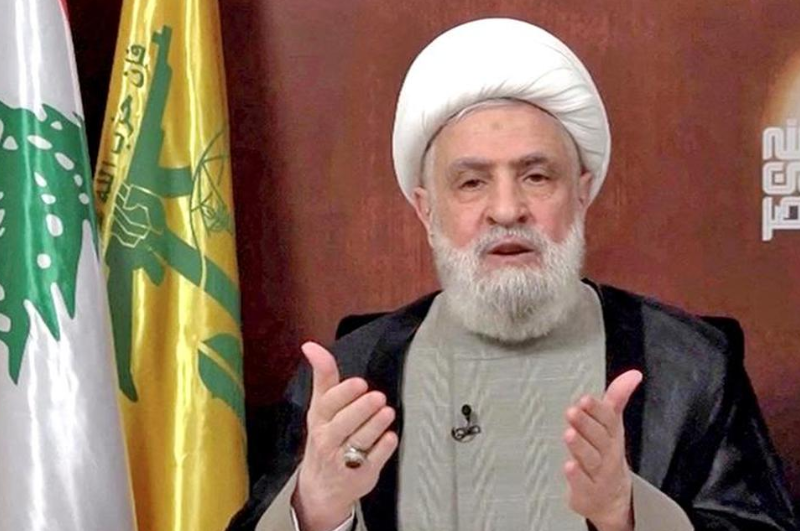
April 27, 2026 (Navroze Bureau) : The leader of Hezbollah, Hassan Nasrallah, has firmly rejected the possibility of direct talks between Lebanon and Israel, vowing that the Iran-backed group will continue to confront Israel amid escalating regional tensions.
In a recent televised address, Nasrallah dismissed reports suggesting that diplomatic channels could open between Lebanon and Israel, calling such proposals unrealistic under current circumstances. He stressed that Hezbollah remains committed to what it describes as “resistance” against Israel and would not support any negotiations that could compromise its stance.
“There will be no direct talks with Israel,” Nasrallah declared, adding that any such move would contradict the principles upon which Hezbollah was founded. He reiterated that the group’s priority is to defend Lebanon’s sovereignty and respond to what it perceives as Israeli aggression.
The statement comes at a time of heightened tensions along the Lebanon-Israel border, where sporadic clashes and military exchanges have raised concerns about the risk of a broader conflict. The situation has been further complicated by ongoing geopolitical developments in the region, including the aftermath of conflicts involving Iran-backed groups and Israeli forces.
Hezbollah, which holds significant political and military influence in Lebanon, has long positioned itself as a key player in the regional “axis of resistance,” aligned with Iran and opposed to Israel. The group’s stance on negotiations has remained consistent over the years, rejecting normalization or direct engagement with Israel.
Observers note that Nasrallah’s remarks are likely aimed at reinforcing Hezbollah’s support base and sending a clear message to both domestic and international audiences. Within Lebanon, the issue of engaging with Israel is highly sensitive, with differing views among political factions and the public.
While some Lebanese leaders have expressed openness to indirect negotiations on specific issues such as maritime borders or economic matters, direct talks remain a contentious topic. Hezbollah’s opposition effectively limits the scope of any potential diplomatic engagement, given its influence within the country.
On the other side, Israel has maintained that it is prepared to defend its borders and respond to any threats from Hezbollah. Israeli officials have repeatedly warned that they would hold Lebanon accountable for actions by the group, raising the stakes in the event of further escalation.
The international community has been closely monitoring the situation, with calls for restraint from major powers and organizations. Efforts to de-escalate tensions have included diplomatic outreach and mediation attempts, though progress has been limited.
Analysts suggest that Hezbollah’s rejection of talks reflects broader regional dynamics, including Iran’s strategic interests and ongoing rivalries in the Middle East. The group’s alignment with Tehran plays a significant role in shaping its policies and actions.
At the same time, Lebanon is facing significant internal challenges, including economic instability, political divisions, and social pressures. In this context, the prospect of conflict with Israel adds another layer of complexity to an already fragile situation.
Despite these challenges, Hezbollah continues to assert its role as a defender of Lebanon, arguing that its military capabilities serve as a deterrent against Israeli actions. Critics, however, contend that the group’s activities risk dragging the country into unwanted conflicts.
Nasrallah’s latest remarks are unlikely to ease tensions in the region, and may instead reinforce existing divisions. The absence of dialogue between Lebanon and Israel limits opportunities for diplomatic solutions, increasing the risk of misunderstandings and escalation.
As the situation evolves, the focus remains on whether international efforts can succeed in preventing further deterioration. The role of regional and global powers will be crucial in shaping the trajectory of the conflict and exploring potential avenues for stability.
For now, Hezbollah’s position appears firm: no direct talks with Israel and a continued commitment to confrontation. This stance underscores the challenges of achieving lasting peace in a region marked by deep-seated rivalries and complex political realities.
Summary
Hezbollah leader Hassan Nasrallah rejected Lebanon-Israel talks, reaffirming resistance against Israel amid rising border tensions, highlighting regional instability and limiting prospects for diplomatic engagement or de-escalation efforts.