

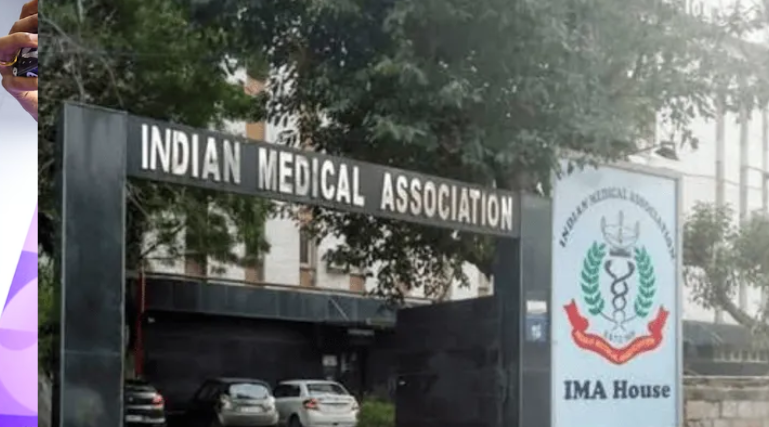
22 September 2026 (Navroze Bureau) : The Indian Medical Association (IMA) and Abbott have launched Indian Immunization Week, a nationwide initiative aimed at strengthening awareness around influenza vaccination and reducing unnecessary delays in immunisation.
The campaign, being observed from September 21 to September 27, focuses particularly on improving understanding about when influenza vaccination can be given after an episode of acute fever or illness.
Focus on Closing the Influenza Vaccination Gap
According to the IMA, influenza continues to contribute to avoidable hospitalisations and complications, while vaccination uptake remains suboptimal.
One issue highlighted by the association is that vaccination is sometimes postponed when a person has an acute febrile illness. Without clear guidance on when vaccination can safely resume, some people may never return for their annual influenza vaccination.
New Guidance for Doctors
As part of Indian Immunization Week, IMA has developed recommendations on influenza vaccination following acute febrile illness.
The guidance is being disseminated nationally to help healthcare professionals reassess eligible patients after recovery rather than allowing vaccination to be unnecessarily delayed.
Campaign Reaches Healthcare Professionals
The initiative includes radio awareness programmes, media outreach, continuing medical education sessions and distribution of guideline material in clinics.
IMA says the campaign aims to reach more than 10,000 healthcare professionals across India, with CME programmes planned in Ahmedabad, Chennai, Kolkata and Mumbai.
Influenza Activity Under Close Watch
The campaign comes as Indian health authorities continue monitoring seasonal influenza activity across the country.
The Union Health Ministry, ICMR and NCDC have said the H1N1 viruses currently circulating in India are consistent with expected seasonal influenza patterns, with genomic surveillance finding no evidence of a new or unusually dangerous strain.
The government has reported that circulating H1N1 viruses are A/Missouri/11/2025 (H1N1)pdm09-like, with observed genetic changes consistent with normal seasonal antigenic drift.
Why Annual Influenza Vaccination Matters
IMA’s campaign highlights annual vaccination because influenza viruses change over time and immunity can decline.
Abbott India also notes that influenza vaccination is updated periodically to target prevalent strains, while emphasising that vaccination is particularly important for people at higher risk of complications.
Protection Across Age Groups
The campaign promotes influenza immunisation for appropriate people across different age groups.
For children, vaccination can reduce the risk of severe influenza, hospitalisation and complications. For older adults and people with chronic health conditions, vaccination can help reduce the risk of serious illness.
IMA also highlights vaccination during pregnancy, when immunisation can provide protection to the mother while offering passive protection to the infant during the first months of life.
Vaccination and Respiratory Hygiene
The campaign stresses that vaccination should be combined with basic infection-prevention measures.
People experiencing influenza-like symptoms are advised to stay home when unwell, avoid close contact with others, practise hand hygiene and cover their mouth and nose while coughing or sneezing.
Timely Medical Advice Remains Important
Seasonal influenza is generally mild and self-limiting in otherwise healthy people, according to the Union Health Ministry.
However, older adults, young children, people with underlying medical conditions and those with compromised immunity have a greater risk of complications and should seek timely medical advice when symptoms are severe, persistent or worsening.
Public Awareness at the Centre
IMA says the broader objective of Indian Immunization Week is to encourage healthcare professionals and the public to recognise every appropriate opportunity for influenza vaccination.
The association’s campaign message is to “Recognise. Re-assess. Vaccinate”, with emphasis on reducing unnecessary postponement after acute febrile illness.