

May 4, 2026 (Navroze Bureau) : Tensions between Iran and the United States have escalated sharply after Tehran issued a direct warning that American forces would be attacked if they enter the strategically critical Strait of Hormuz. The warning comes amid growing military activity and a deepening standoff over control of one of the world’s most vital energy routes.
According to statements from Iran’s central military command, any foreign armed presence—especially that of the United States—would be considered hostile. Iranian officials emphasized that the security of the Strait of Hormuz lies solely under their control and warned that unauthorized entry would trigger a forceful response.
The warning follows an announcement by Donald Trump that the United States plans to assist commercial vessels stranded in the region. The proposed operation, reportedly involving naval escorts and military assets, is aimed at guiding ships through the strait, where maritime traffic has been severely disrupted due to ongoing conflict.
Iran, however, views this move as a provocation. Military leaders in Tehran have insisted that any safe passage must be coordinated with Iranian forces, warning that unilateral intervention would only complicate the situation and increase risks for vessels already navigating the volatile waterway.
The Strait of Hormuz is one of the world’s most critical النفط chokepoints, with nearly 20% of global oil supply passing through it under normal circumstances. Disruptions in this narrow corridor have already sent shockwaves through global energy markets. Oil prices have surged amid fears of prolonged instability and supply constraints.
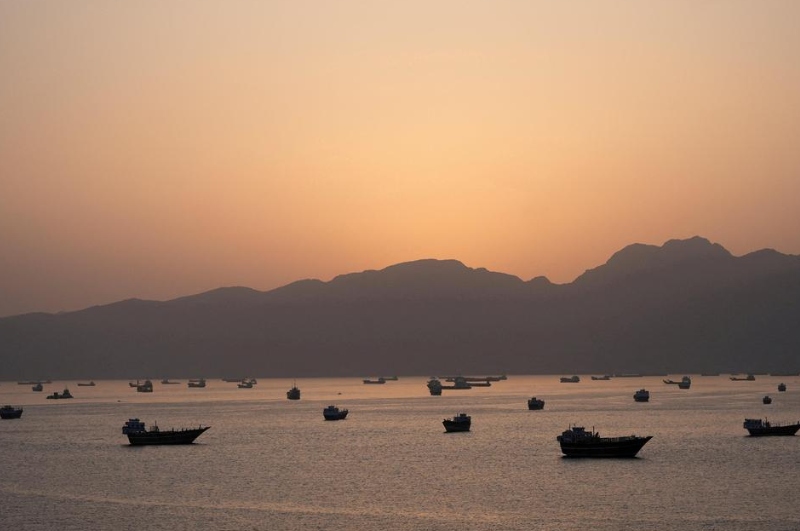
Recent reports indicate that hundreds of ships remain stranded in or around the strait, with thousands of seafarers facing shortages of essential supplies such as food and fuel. The United States has framed its proposed intervention as a humanitarian effort to assist these vessels, but Iran remains deeply skeptical of the intentions behind the move.
The broader geopolitical context further complicates the situation. The tensions are linked to an ongoing conflict involving Iran, the United States, and regional actors, with disputes over sanctions, military presence, and control of maritime routes. While diplomatic efforts are reportedly underway, no breakthrough has been achieved so far.
Military analysts warn that the risk of escalation is extremely high. The Strait of Hormuz is a narrow and heavily trafficked waterway, making it particularly vulnerable to incidents that could quickly spiral into larger confrontations. Even a minor miscalculation could trigger direct clashes between naval forces.
Iran’s warning underscores its determination to assert control over the strait, which it views as a key عنصر of its strategic leverage. By signaling readiness to use force, Tehran aims to deter foreign military involvement and reinforce its position in ongoing negotiations.
On the other hand, the United States has long maintained that ensuring freedom of navigation in international waters is a core policy objective. The proposed operation to guide ships reflects this stance, although it risks bringing U.S. forces into direct confrontation with Iranian military units.
The situation has drawn global attention, with major economies closely monitoring developments due to the potential impact on energy supplies and trade. Countries dependent on Gulf oil exports are particularly concerned about prolonged disruptions, which could lead to higher fuel prices and economic instability.
International calls for restraint are growing louder. Several global leaders have urged both sides to avoid escalation and seek diplomatic solutions. There are also reports of mediation efforts aimed at reopening the strait through coordinated agreements rather than unilateral military action.
Meanwhile, maritime security risks remain elevated. Incidents involving attacks on vessels and reports of projectiles striking tankers have heightened concerns about the safety of navigation in the region. Shipping companies are increasingly cautious, with some rerouting vessels or delaying shipments until the situation stabilizes.
For Iran, maintaining control over the Strait of Hormuz is not only a matter of national security but also a critical bargaining tool in its broader geopolitical strategy. For the United States, ensuring the free flow of commerce through the waterway is essential to global economic stability.
The unfolding standoff highlights the fragile balance between military deterrence and diplomatic engagement in one of the world’s most sensitive regions. As both sides exchange warnings and prepare for potential action, the risk of a wider conflict looms large.
In conclusion, Iran’s warning that it will attack U.S. forces entering the Strait of Hormuz marks a serious escalation in tensions. With global energy markets at stake and regional stability hanging in the balance, the coming days will be crucial in determining whether the crisis intensifies or moves toward resolution.
Summary:
Iran warned it will attack U.S. forces entering the Strait of Hormuz, escalating tensions. The crisis threatens global oil supply, maritime security, and raises fears of wider regional conflict.