

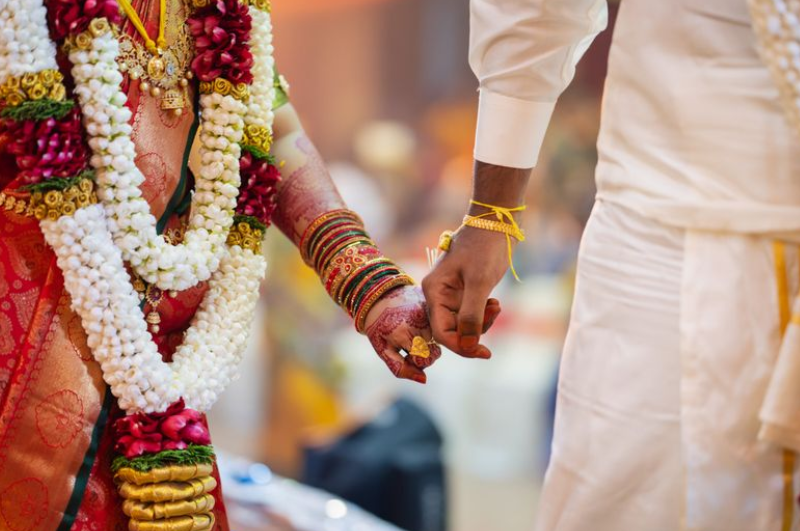
May 4, 2026 (Navroze Bureau) : In the heart of rural Punjab, a quiet but significant social transformation is unfolding. Long-standing traditions that once governed marriage practices are being challenged as an increasing number of couples choose to marry within the same village—an act that was historically discouraged, if not outright prohibited, in many communities.
For generations, rural Punjabi society has followed strict kinship norms rooted in the concept of exogamy, where individuals are expected to marry outside their village or clan (gotra). These customs were designed to maintain social order, avoid perceived kinship overlaps, and preserve cultural identity. Same-village marriages were often considered taboo, with violators facing social ostracism or resistance from community elders.
However, changing socio-economic dynamics, increased education, urban exposure, and shifting personal aspirations are now reshaping these deeply embedded beliefs. Young people, particularly in semi-urbanized villages, are increasingly questioning the relevance of such restrictions in modern times.
Local residents and observers note that interactions within villages have evolved. With improved connectivity, co-educational institutions, and digital communication, young men and women are interacting more freely than ever before. This has naturally led to relationships forming within the same village, eventually culminating in marriages that defy traditional expectations.
“Earlier, it was unthinkable,” says a resident of a village near Ludhiana. “But now, families are beginning to accept that times have changed. If the match is good and both families agree, the village boundary doesn’t matter as much as it once did.”
Despite this gradual shift, resistance remains strong in several areas. Traditional पंचायत bodies and elders often continue to oppose such unions, citing cultural values and long-standing customs. In some cases, couples face intense social pressure, including threats of boycott or exclusion from community events.
Social experts argue that the debate reflects a broader tension between tradition and modernity. “This is not just about marriage; it is about the evolution of social structures,” says a sociologist specializing in rural studies. “As education and mobility increase, individuals begin to prioritize personal choice over collective norms.”
Legal frameworks in India do not prohibit same-village marriages, provided they do not violate laws related to prohibited degrees of relationship. However, societal acceptance often lags behind legal permissibility, creating a complex environment for couples navigating these choices.
Women, in particular, are at the center of this shift. Increased access to education and employment opportunities has empowered many to participate more actively in decisions about their lives, including marriage. This has contributed to a gradual weakening of rigid traditional controls.
At the same time, some community leaders warn against abandoning customs entirely. They argue that traditional norms have historically served important social functions and that sudden changes could disrupt established social harmony. “We must adapt, but we should not lose our identity,” one elder remarked.
Interestingly, the phenomenon is not uniform across all of Punjab. While some regions are witnessing a noticeable rise in acceptance, others remain firmly rooted in tradition. The pace of change often depends on factors such as economic development, literacy levels, and exposure to urban lifestyles.
The media and popular culture are also playing a role in influencing perceptions. Stories of inter-village and same-village relationships portrayed in films and television are gradually normalizing the idea, especially among younger audiences.
Experts believe that dialogue within communities is crucial to navigating this transition. Encouraging open conversations between generations can help bridge the gap between traditional values and contemporary realities. पंचायत bodies, instead of imposing strict prohibitions, are being urged to adopt a more consultative approach.
There are also calls for greater awareness about legal rights and individual freedoms. Advocacy groups emphasize that adults have the right to choose their partners, and societal pressure should not override personal autonomy.
While the shift toward same-village marriages is still in its early stages, it signals a broader transformation in rural Punjab’s social fabric. The change reflects evolving attitudes toward identity, relationships, and individual choice in a rapidly modernizing society.
For many young couples, the decision to marry within the same village is not an act of rebellion but a reflection of changing realities. As one newly married individual put it, “We grew up together, studied together, and understand each other. Why should geography decide our future?”
In conclusion, the rise of same-village marriages in rural Punjab highlights a society at a crossroads. Balancing respect for tradition with the need for personal freedom remains a delicate challenge. As communities continue to adapt, the outcome of this shift will shape the region’s cultural landscape for generations to come.
Summary:
Same-village marriages in rural Punjab are challenging traditional norms, reflecting changing social values, increased education, and personal choice, while sparking debate between modern aspirations and cultural traditions.