

16 April 2026 (Navroze Bureau) : Tensions in the Middle East have escalated further after a senior adviser to Iran’s Supreme Leader Mojtaba Khamenei declared that Iran will not withdraw from the strategically crucial Strait of Hormuz until its “rights are fully secured.”
The statement comes at a time of heightened confrontation between Iran and the United States, with the waterway emerging as the central flashpoint in the ongoing conflict. The adviser warned that any attempt by U.S. forces to control or police the strait would be met with strong retaliation, including potential attacks on naval vessels.
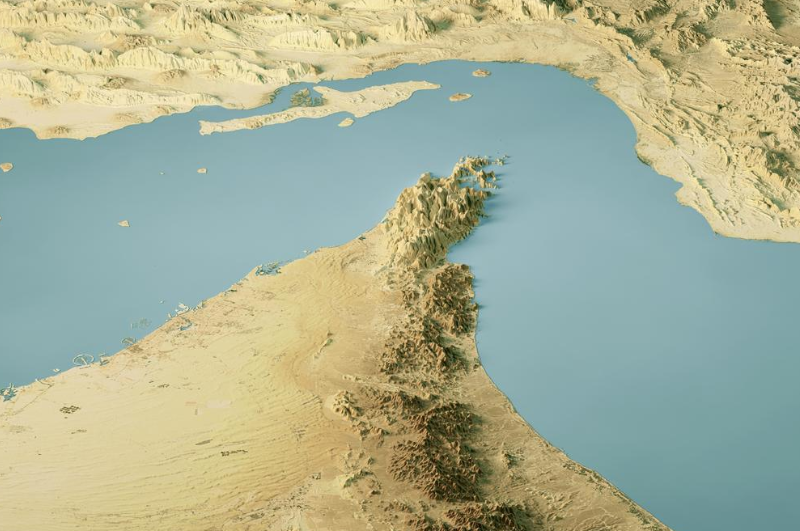
The Strait of Hormuz is one of the world’s most critical maritime chokepoints, handling a significant share of global oil shipments. Any disruption in this narrow passage can have immediate and far-reaching consequences for global energy markets and international trade.
Iran’s stance reflects a broader strategy of using the strait as leverage in negotiations with the United States. Officials in Tehran have repeatedly stressed that while they do not seek war, they will not compromise on what they describe as their sovereign and strategic rights.
The latest remarks signal that Iran intends to maintain a firm grip on the strait until its demands—likely including sanctions relief, security guarantees, and recognition of regional influence—are addressed. This position has complicated ongoing diplomatic efforts aimed at de-escalating tensions.
Recent peace talks between Washington and Tehran have shown some signs of progress, with both sides expressing cautious optimism about a potential agreement. However, deep mistrust remains, particularly over Iran’s nuclear program and the U.S. military presence in the region.
Meanwhile, the U.S. has intensified pressure on Iran through a naval blockade targeting its maritime trade. This move is intended to weaken Iran’s economy and force it back to the negotiating table, but it has also increased the risk of direct confrontation in and around the Strait of Hormuz.
Iran has responded by issuing a series of warnings, including threats to target U.S. ships and disrupt shipping routes if its interests are threatened. Officials have also hinted at expanding the conflict through allied groups in the region, raising fears of a broader escalation.
The situation is further complicated by ongoing military activity involving Israel and Iran-backed groups in neighboring regions. These developments have added another layer of volatility, making the Strait of Hormuz not just a bilateral issue but part of a wider geopolitical crisis.
Despite the hardline rhetoric, Iranian leaders have also indicated that they are open to negotiations, provided their core demands are respected. The emphasis on “rights” suggests that Tehran is seeking a deal that acknowledges its strategic role in the region while addressing its security concerns.
Global reactions to the situation have been mixed. Some countries have called for restraint and renewed diplomatic engagement, warning that any disruption in the Strait of Hormuz could have severe economic consequences worldwide. Others have expressed concern over the increasing militarisation of the region.
Energy markets have already shown signs of volatility, with oil prices fluctuating in response to developments in the Gulf. Shipping companies and insurers are also reassessing risks, leading to reduced traffic and higher costs for transporting goods through the region.
Experts warn that the current standoff carries significant risks. Any miscalculation or accidental clash could quickly escalate into a larger conflict, potentially disrupting global oil supplies and affecting economies far beyond the Middle East.
At the same time, the situation highlights the strategic importance of the Strait of Hormuz. Control over this narrow passage has long been a key factor in regional power dynamics, and the current crisis underscores its continued relevance in global geopolitics.
For now, the adviser’s statement makes it clear that Iran is unlikely to back down without significant concessions. As diplomatic efforts continue alongside military posturing, the future of the Strait of Hormuz—and its impact on global stability—remains uncertain.
Summary
Iran says it will not leave the Strait of Hormuz until its rights are secured, escalating tensions with the U.S. and raising concerns over global oil supply and regional stability.