

17 September 2026 (Navroze Bureau) : The US House of Representatives has passed a sweeping Russia sanctions bill, with lawmakers describing the vote as a renewed commitment to Ukraine and a step towards increasing economic pressure on Moscow.
The Lindsey O. Graham Sanctioning Russia and Iran Act of 2026 passed the House by 262 votes to 159 on September 16. The legislation now moves to President Donald Trump for his signature.
Hoyer Calls It a Pledge to Ukraine
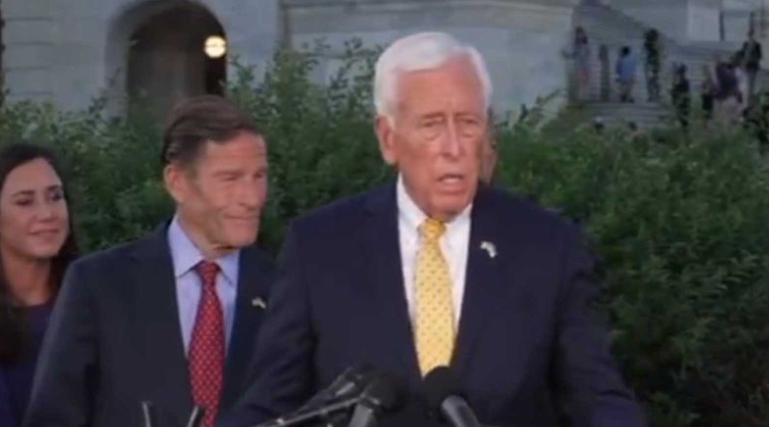
Democratic Congressman Steny Hoyer described the House vote as a step towards “redeem[ing] our pledge to Ukraine” and supporting the country’s sovereignty, democracy and territorial integrity.
Hoyer linked the legislation to Russia’s annexation of Crimea in 2014 and said Congress was sending a message that the US would not stand by while Ukrainians continued to be killed.
Bill Targets Russia’s Economy
The legislation expands sanctions targeting Russian officials, banks, financial institutions and energy-related shipping.
It also targets vessels associated with what the US describes as Russia’s shadow fleet, which has helped Moscow continue energy exports despite existing Western restrictions.
Up to 100% Tariffs Included
One of the bill’s significant provisions gives the US president authority to impose tariffs of up to 100% on major importers of Russian oil and natural gas.
The legislation also establishes a mechanism for tariffs on imports from countries that continue significant purchases of Russian energy under specified conditions. The bill itself does not automatically impose those tariffs.
India Could Face Tariff Exposure
India is specifically relevant because it remains a major buyer of Russian crude.
The legislation creates a statutory pathway for the US administration to impose tariffs of up to 100% on Indian imports if specified conditions relating to Russian energy purchases are met. This authority would require further executive action rather than taking effect automatically upon passage.
Bipartisan Vote in the House
The bill received support from lawmakers in both parties, although the vote also exposed disagreements over the scope of presidential tariff powers.
According to CBS News, 58 Democrats joined 203 Republicans in voting for the measure, while seven Republicans voted against it.
Concerns Over Presidential Tariff Powers
Some Democratic lawmakers opposed the bill because they argued that it would significantly expand presidential authority to impose tariffs.
They warned that the broader tariff powers could increase prices for Americans and potentially undermine longer-term support for Ukraine.
McCaul Says Bill Will Increase Pressure on Moscow
Republican Congressman Michael McCaul highlighted the bipartisan nature of the vote and said the legislation would increase pressure on Russia’s war effort.
McCaul said the measure could help bring Russian President Vladimir Putin to negotiations while also imposing costs on other countries involved in what he described as coordinated aggression.
Iran Sanctions Also Included
The legislation is not limited to Russia.
At Trump’s request, the package also includes a five-year extension of existing sanctions on Iran’s energy and weapons sectors, with provisions allowing the president to waive sanctions under certain conditions if he certifies that doing so is in the US national interest.
Senate Had Already Passed the Bill
The Senate approved the legislation earlier, passing it by an 86-11 vote on August 7.
The bill subsequently faced delays in the House as lawmakers debated its tariff provisions and their potential implications for US trade policy.
Bill Now Awaits Trump’s Signature
With House approval secured, the legislation has cleared Congress and is now awaiting action by President Trump.
If enacted, it would give the administration expanded tools to sanction Russia and increase economic pressure on countries continuing significant purchases of Russian energy.
Ukraine Support Remains Central
The House vote comes as Russia’s war against Ukraine enters its fifth year.
Supporters of the legislation have framed the sanctions as a means of increasing pressure on Moscow and encouraging negotiations, while opponents have raised concerns about the expanded executive tariff powers included in the package.