

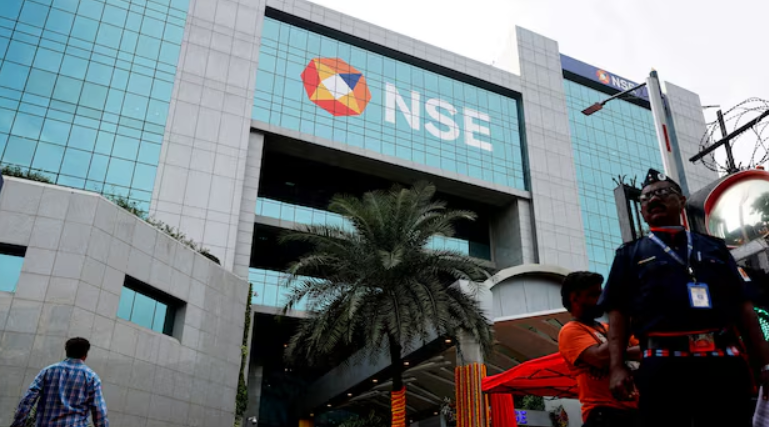
18 Aug 2026 (Navroze Bureau) : Indian stock markets fell in early trade on August 18, as crude oil prices climbed above $91 per barrel and renewed tensions between the US and Iran weighed on investor sentiment. Rising US bond yields, foreign fund outflows and weakness in the rupee added to the pressure on domestic equities.
Sensex, Nifty Open Lower
The 30-share BSE Sensex fell 278.32 points, or around 0.36%, to 77,450.64 in early trade. The Nifty 50 declined 57.65 points to 24,230.45.
The broader market also remained cautious as investors assessed the impact of higher oil prices and geopolitical uncertainty.
Crude Oil Climbs Above $91
Brent crude rose above $91 per barrel, driven by growing concerns about disruptions to energy supplies in the Middle East.
The rise came after a temporary US-Iran ceasefire expired, while hopes for an immediate diplomatic agreement weakened.
US-Iran Tensions Weigh on Sentiment
The escalation in tensions between Washington and Tehran has increased concerns about the security of oil supplies through the Strait of Hormuz, one of the world’s most important energy routes.
Any prolonged disruption in the region could push crude prices higher and increase pressure on oil-importing economies such as India.
Why Rising Crude Is a Concern for India
India imports a large share of its crude oil requirements. Higher international oil prices can increase the country’s import bill and put pressure on the rupee, inflation and corporate margins.
Companies with high fuel, transportation and energy costs could face additional pressure if crude remains elevated for an extended period.
IT Stocks Among Major Losers
The IT sector was among the biggest drags on the market, with the sectoral index falling around 1.4%.
Stocks including Infosys, HCLTech and Tech Mahindra were among the notable laggards in early trade.
Oil and Auto Stocks Show Resilience
Despite the broader market weakness, some stocks benefited from the changing market environment.
ONGC, Mahindra & Mahindra and Maruti Suzuki were among the stocks trading higher in early deals. Oil producers can benefit from higher crude prices, while select auto stocks remained supported by company-specific factors.
Foreign Fund Outflows Add Pressure
Foreign investors remained cautious amid the uncertain global environment.
Foreign portfolio investors reportedly withdrew around ₹2,535 crore ($265 million) from Indian equities, their largest outflow in about three weeks.
Rupee Weakens Against Dollar
The rise in crude prices also put pressure on the Indian rupee.
The rupee weakened 7 paise to ₹95.68 against the US dollar in early trade. Higher oil prices increase demand for dollars from Indian importers, adding pressure to the domestic currency.
RBI Intervention in Focus
The Reserve Bank of India is expected to remain active in the foreign-exchange market to limit excessive volatility.
Traders told Reuters that state-run banks were seen selling dollars, likely on behalf of the RBI, as the central bank sought to cushion the rupee from the impact of higher oil prices.
Global Markets Also Under Pressure
The weakness was not limited to Indian equities. Asian markets declined as investors worried that higher oil prices could reignite inflation and complicate interest-rate decisions.
Japan’s Nikkei and South Korea’s Kospi were among the major regional indices to fall, while US stocks also ended lower in the previous session.
What Investors Will Watch
Markets are likely to closely track:
- Crude oil prices and developments in the Middle East.
- US-Iran diplomatic and military developments.
- The situation around the Strait of Hormuz.
- Foreign investor flows.
- Rupee movement against the US dollar.
- US Treasury yields and global interest-rate expectations.
- Domestic corporate earnings and market valuations.
Market Outlook
The combination of higher crude prices, geopolitical tensions, a weaker rupee and foreign fund selling could keep volatility elevated in the near term.
However, any improvement in US-Iran relations or decline in crude prices could provide relief to Indian equities and reduce pressure on the rupee.