

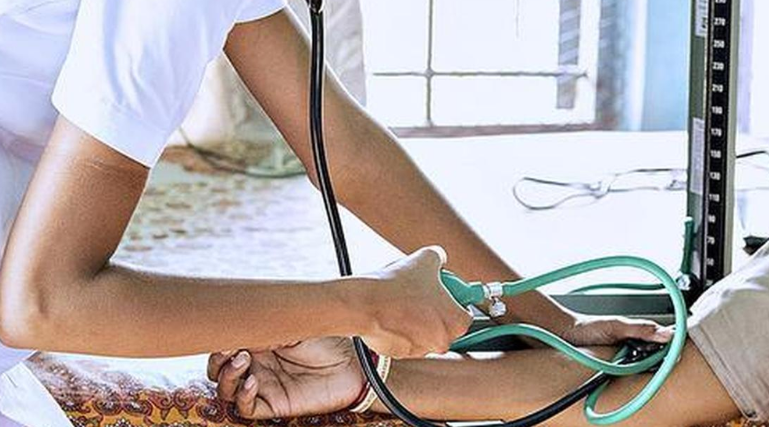
18 June 2026 (Navroze Bureau) : The Telangana government is pursuing a ₹2,580-crore loan from the World Bank to fund a comprehensive healthcare reform programme focused on tackling non-communicable diseases (NCDs), improving elderly care and strengthening public health infrastructure.
The proposed initiative aims to address changing healthcare needs as Telangana faces a growing burden of chronic illnesses and an aging population.
Focus On Non-Communicable Diseases
A significant portion of the programme is expected to target non-communicable diseases such as:
- Diabetes
- Hypertension
- Cardiovascular diseases
- Cancer
- Chronic respiratory illnesses
Health experts note that NCDs account for a large share of deaths and healthcare expenditure across India, making early detection and preventive care increasingly important.
Strengthening Elderly Care
The proposed reforms also place special emphasis on geriatric healthcare.
Key priorities include:
- Expanding services for senior citizens
- Improving access to specialized treatment
- Enhancing community-based care
- Strengthening long-term health monitoring
Officials believe demand for elderly care services will continue to rise as life expectancy improves and the population ages.
Healthcare Infrastructure Upgrade
The programme is expected to support improvements in:
- Primary healthcare centres
- District hospitals
- Digital health systems
- Diagnostic facilities
- Workforce training
The goal is to create a more integrated healthcare system capable of handling both preventive and long-term care needs.
Boost To Public Health Services
Authorities aim to improve healthcare delivery through better screening programmes, disease surveillance and patient management systems.
The project is also expected to promote technology-driven healthcare solutions and data-based decision-making.
Why The Loan Matters
World Bank financing could provide long-term funding support for large-scale reforms while allowing the state to accelerate investments in healthcare infrastructure and service delivery.
Officials say the programme would align with broader efforts to improve health outcomes and reduce the burden of chronic diseases.
Growing Burden Of Chronic Illness
Healthcare experts have repeatedly warned that India is witnessing a steady increase in lifestyle-related illnesses.
Factors contributing to the trend include:
- Urbanization
- Sedentary lifestyles
- Dietary changes
- Population aging
As a result, state governments are increasingly focusing on preventive healthcare and early intervention strategies.
Expected Impact
If approved, the programme could help:
- Expand healthcare access
- Improve disease screening
- Enhance elderly care services
- Strengthen health infrastructure
- Improve long-term public health outcomes
Key Takeaway
Telangana is seeking a ₹2,580-crore World Bank loan to modernize its healthcare system, with a strong focus on non-communicable diseases, elderly care and improved public health infrastructure. The initiative reflects a growing effort to address chronic disease burdens and changing healthcare demands across the state.