

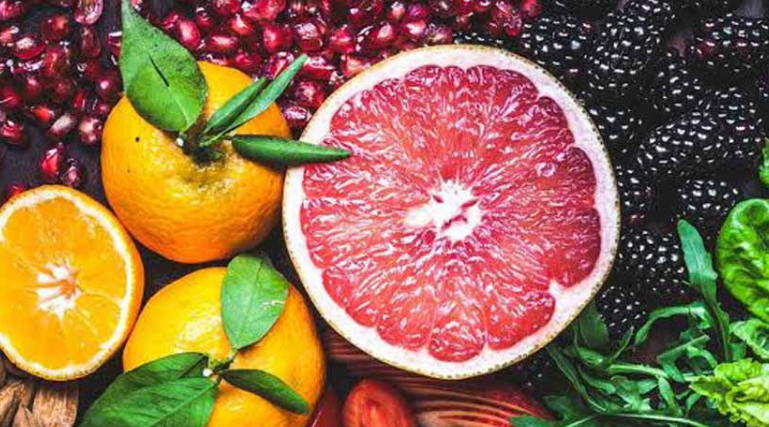
31 july 2026 (Navroze Bureau) : Health experts often encourage people to “eat real food” by choosing fresh fruits, vegetables, whole grains and minimally processed meals. While the advice is widely accepted, many nutritionists argue that the biggest obstacle is not a lack of awareness—but limited access to healthy food.
Healthy Choices Aren’t Always Available
For many families, especially those in low-income or rural communities, fresh and nutritious food can be difficult to obtain. Limited availability of grocery stores, higher prices for fresh produce and dependence on processed packaged foods make healthy eating a challenge.
Cost Remains a Major Barrier
Nutritious foods often cost more than highly processed alternatives. Rising food prices have further widened the gap, forcing many households to prioritise affordability over nutritional value.
Experts say improving access to affordable healthy food is just as important as educating people about nutrition.
Environment Shapes Eating Habits
Where people live, work and study also influences food choices. Areas with limited access to fresh food but an abundance of fast-food outlets can make it harder to maintain a balanced diet.
Researchers say creating healthier food environments can encourage better eating habits across communities.
Beyond Individual Responsibility
Nutrition specialists believe public health strategies should move beyond simply advising people to “eat better.” Investments in food infrastructure, local markets, school nutrition programmes and policies that make healthy food more affordable could have a greater impact.
A Broader Public Health Issue
Experts emphasise that healthy eating is not only a matter of personal choice but also of opportunity. Ensuring equitable access to nutritious food can help reduce the burden of obesity, diabetes, heart disease and other chronic illnesses.