

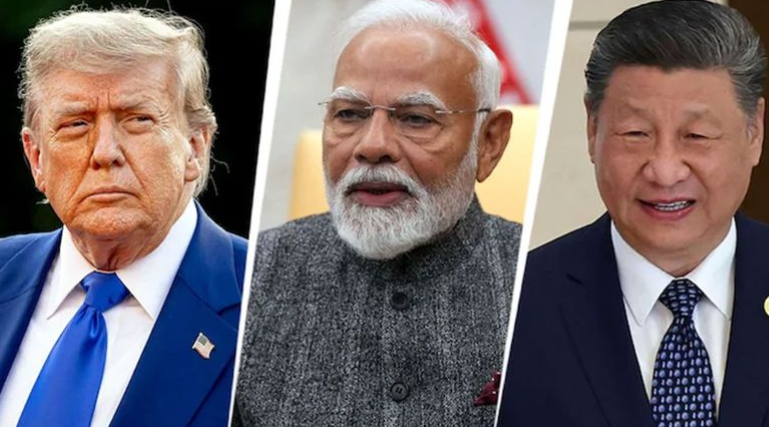
15 july 2026 (Navroze Bureau) : A group of U.S. senators has introduced a bill proposing tariffs of up to 100% on imports from India and China over their continued purchases of Russian crude oil. The proposed legislation aims to increase economic pressure on countries that continue to buy Russian energy amid ongoing geopolitical tensions.
If enacted, the bill would authorize the U.S. government to impose steep tariffs on certain imports from countries that significantly purchase Russian oil, with India and China among the primary nations affected.
Objective of the Bill
The lawmakers behind the proposal argue that continued purchases of Russian oil help sustain Moscow’s energy revenues despite Western sanctions and other measures introduced following the Russia-Ukraine conflict.
The proposed tariffs are intended to discourage large-scale imports of Russian crude by increasing the economic cost for countries maintaining such trade.
Impact on India and China
India and China have significantly increased imports of discounted Russian crude in recent years, citing energy security and domestic economic needs. Indian officials have consistently maintained that the country’s energy procurement decisions are guided by national interests and the need to ensure affordable fuel supplies.
If the bill becomes law, it could affect trade relations and increase costs for exporters selling goods to the United States.
Bill Yet to Become Law
The proposal is currently at the legislative stage and must pass both chambers of the U.S. Congress before being signed by the President to become law. Its final form could change during the legislative process, and there is no certainty that it will be enacted.
Analysts note that similar proposals often undergo significant amendments before any final vote.
Potential Trade Implications
Experts say the proposal could add pressure to global trade and diplomatic relations, particularly at a time when energy security and geopolitical tensions remain major international concerns.
Both India and China have repeatedly defended their oil import policies, emphasizing that they comply with applicable international regulations while prioritizing their national energy requirements.