

4 November 2026 (Navroze Bureau) The Senate contest was among the most closely watched parts of the midterm elections. Thirty-five of the chamber’s 100 seats were up for election, with several races taking place in states that could determine which party controls the upper chamber.
Key contests included North Carolina, Georgia, Ohio, Florida, Maine, Michigan and Texas. Democrats needed a net gain of four seats to secure a majority, while Republicans were defending their existing advantage.
North Carolina attracted particular attention because former Democratic governor Roy Cooper was challenging Republican Michael Whatley for a seat previously held by retiring Republican Senator Thom Tillis.
Georgia was another important battleground, where Democratic Senator Jon Ossoff faced Republican challenger Mike Collins. In Ohio, the Senate contest was also expected to play a significant role in determining the chamber’s future composition.
House battle could change control of Congress
All 435 seats in the House of Representatives were being contested. Democrats needed a net gain of at least three seats to take control of the chamber, according to the pre-election balance.
Several competitive districts in Florida, North Carolina, Ohio, Michigan, Pennsylvania and other states were expected to influence the final outcome.
Redistricting also added another dimension to the election, particularly in states where congressional boundaries had been changed ahead of the midterms. Candidates were competing in newly configured districts, making some races difficult to compare with previous election results.
The results were expected to arrive at different speeds. States that count early votes quickly could report substantial numbers on election night, while other states could take longer because of mail ballots, local counting procedures and close margins.
More than 57 million votes cast early
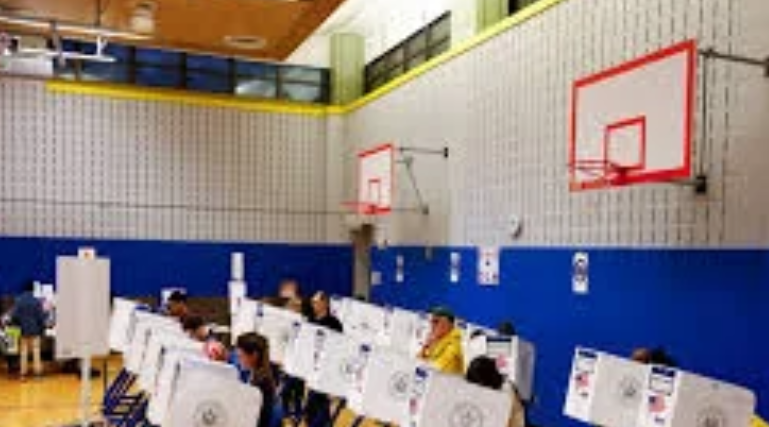
A significant number of Americans had already participated before Election Day. According to CBS News, more than 57 million voters had cast ballots through early voting or mail-in voting before November 3.
Early voting was available in 47 states and Washington, DC, while Alabama, Mississippi and New Hampshire did not offer the same early-voting option.
Election officials also dealt with reports of ballot-scanning machine problems in some counties, including areas of Georgia, Iowa, Mississippi and New York. Such incidents slowed voting or counting in certain locations, although election safeguards and backup procedures were in place.
Results could take hours or days
The closure of polling stations did not mean that all results would be available immediately. Election officials still needed to count outstanding ballots, verify results and follow state-specific procedures before races could be officially called or certified.
Close contests could take several days to resolve, particularly where mail-in ballots and provisional ballots remained to be counted.
The 2026 midterms were therefore not only a test of voter sentiment but also a major political contest over the future direction of Congress. The final results will determine how much legislative and oversight power the Trump administration faces during the second half of its term.