

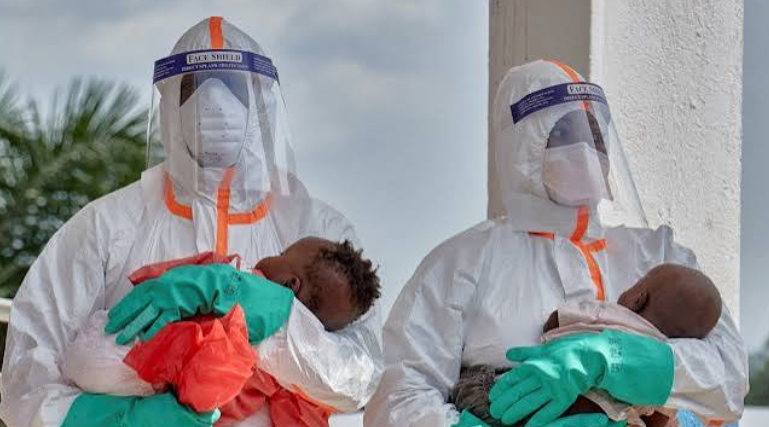
13 November 2026 (Navroze Bureau) The World Health Organization (WHO) has raised concerns over the Ebola outbreak in the Democratic Republic of Congo (DR Congo), warning that rising infections and continuing violence are making it increasingly difficult to control the spread of the deadly virus.
The outbreak, caused by the Bundibugyo virus, has placed significant pressure on the country’s already strained healthcare system. Health authorities are facing several challenges, including difficulties in reaching affected communities, tracking people who have come into contact with infected patients and providing timely medical assistance.
The security situation has further complicated the response. Violence in parts of the country has disrupted healthcare operations and increased risks for medical workers involved in containing the outbreak.
Violence Disrupts Ebola Containment Efforts
The WHO has expressed concern that insecurity is preventing response teams from carrying out essential public health activities. Armed attacks and threats against healthcare workers have affected surveillance, contact tracing and the delivery of medical supplies.
The situation is particularly difficult in areas where armed groups operate and access to healthcare facilities is already limited. Medical teams need to visit communities, identify suspected cases, collect samples and ensure that infected individuals receive appropriate care. However, security concerns are restricting their movement.
Attacks on healthcare facilities have also created additional difficulties for local communities. When hospitals and medical centres are damaged or forced to suspend services, people may delay seeking treatment or avoid reporting symptoms.
Health agencies have stressed that protecting medical workers and healthcare infrastructure is essential to controlling the outbreak. Without safe access to affected areas, even well-funded emergency response programmes may struggle to contain transmission.
Contact Tracing Becomes a Major Concern
Contact tracing remains one of the most important tools in controlling Ebola. Health officials identify people who have been exposed to infected patients and monitor them for symptoms during the incubation period.
However, violence and restricted access have made this process increasingly challenging in DR Congo. Reports have indicated that more than 1,000 contacts have been lost to follow-up, while some confirmed cases have also remained unaccounted for.
The development has raised concerns among public health experts because people who are not monitored may unknowingly spread the virus to others.
Health authorities are urging communities to cooperate with medical teams, report suspected infections and follow public health instructions. They have also highlighted the importance of early testing and isolation to reduce the possibility of further transmission.
Several Provinces Affected by the Outbreak
The Ebola outbreak has affected multiple provinces in DR Congo, including Ituri, North Kivu, South Kivu, Tshopo, Haut-Uele, Bas-Uele, Sud Ubangi and Nord Ubangi.
Ituri and North Kivu have been among the worst-affected regions. Both provinces face significant challenges because of insecurity, population movement and limited access to healthcare services.
The spread across different provinces has made the response more complicated. Health authorities must coordinate surveillance and medical assistance across a wide geographical area while ensuring that resources reach communities where they are most urgently required.
The situation has also increased concerns about the possibility of further transmission through population movement. People travelling between affected regions and neighbouring countries could create additional challenges for disease surveillance.
Bundibugyo Virus Raises Medical Challenges
The current outbreak is caused by the Bundibugyo virus, a species of Ebola virus that can cause severe illness.
Initial symptoms may include fever, headache, muscle pain, fatigue and sore throat. As the disease progresses, patients may experience vomiting, diarrhoea, abdominal pain and, in severe cases, bleeding and organ complications.
Because the early symptoms can resemble those of other illnesses, including malaria, laboratory testing is essential for confirming suspected cases.
There is currently no approved vaccine or specific antiviral treatment for Bundibugyo virus disease. Medical care therefore focuses on early diagnosis, isolation, maintaining hydration, managing complications and providing supportive treatment.
Early medical attention can improve the chances of survival. It also helps reduce the risk of transmission by ensuring that infected individuals are identified and separated from others as quickly as possible.
WHO and Africa CDC Strengthen Response
The WHO, Africa Centres for Disease Control and Prevention (Africa CDC) and Congolese health authorities are working with international partners to strengthen the response.
Their efforts include improving disease surveillance, expanding laboratory testing, supporting healthcare facilities and providing assistance to medical workers. Community awareness programmes are also important in encouraging people to report symptoms and seek medical help.
Health agencies have emphasised that the response must address both medical and security challenges. Healthcare workers need safe access to affected communities, while local authorities must ensure that patients can receive treatment without facing discrimination or stigma.
International cooperation is also important because neighbouring countries need to maintain surveillance and strengthen their preparedness. Cross-border coordination can help identify suspected infections early and prevent the outbreak from spreading further.
Concerns Over Regional Health Security
The rising number of infections, combined with violence and difficulties in contact tracing, has made the Ebola outbreak a serious public health concern.
The situation highlights the challenges of controlling infectious diseases in regions affected by armed conflict and weak healthcare infrastructure. Even when medical teams have the necessary expertise, insecurity can prevent them from reaching people who need assistance.
The WHO and other health organisations continue to stress the importance of protecting healthcare workers, improving access to treatment and strengthening community cooperation.
For DR Congo, the immediate priority remains identifying new cases, monitoring exposed individuals and ensuring that medical teams can safely operate in affected areas. The success of these efforts will be crucial in limiting further transmission and protecting communities from the deadly virus.