

19 November 2026 (Navroze Bureau) The healthcare sector is constantly evolving, with growing demands for better patient care, improved medical facilities and more efficient healthcare services. However, developing effective healthcare solutions requires more than medical knowledge and research findings. It also requires a clear understanding of the challenges faced by healthcare professionals and patients on the ground. This is why bringing frontline experience and operational research together has become increasingly important for strengthening healthcare systems.
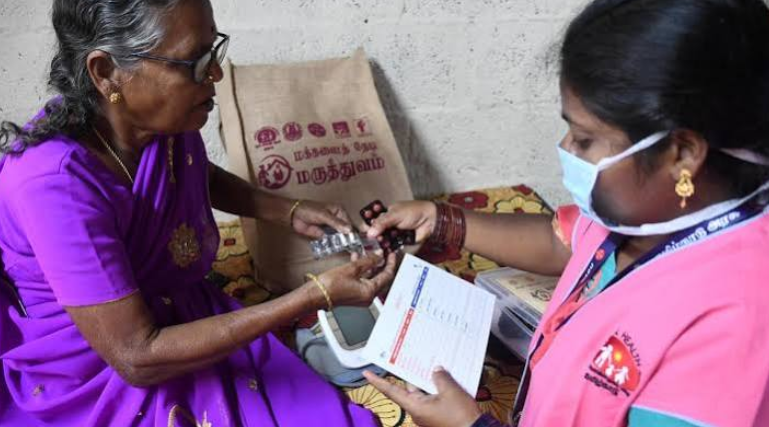
Frontline healthcare workers, including doctors, nurses, community health workers and hospital staff, play a crucial role in delivering medical services. They interact directly with patients, understand their concerns and experience the practical challenges that affect healthcare delivery. Their everyday experiences provide valuable insights into gaps that may not always be visible through reports, statistics or research studies.
Operational research, on the other hand, focuses on identifying problems, analysing available information and developing practical solutions to improve the functioning of healthcare services. It helps healthcare organisations understand how resources are being used, where delays occur and how existing systems can become more effective.
When these two areas work together, healthcare decision-making becomes more connected to real-world needs.
Understanding the Importance of Frontline Experience
Frontline healthcare professionals have direct knowledge of the difficulties patients face while accessing medical services. They understand issues such as long waiting times, shortages of medical supplies, staff shortages, limited infrastructure and communication gaps between patients and healthcare providers.
These challenges can affect the quality and accessibility of healthcare, particularly in rural and underserved communities. Although administrative reports may identify certain problems, frontline workers can explain how these issues affect daily operations and patient outcomes.
For example, a hospital may have sufficient medical equipment on paper, but healthcare workers may experience difficulties accessing or using it because of maintenance problems, staff shortages or inefficient procedures.
Such practical observations can help decision-makers understand the difference between what healthcare policies are designed to achieve and what actually happens during implementation.
How Operational Research Strengthens Healthcare Delivery
Operational research uses systematic methods, data analysis and problem-solving techniques to improve healthcare operations. It can help hospitals, public health departments and healthcare organisations make better decisions about resource allocation and service delivery.
One important application is reducing waiting times in hospitals. By examining patient flow, appointment schedules, staff availability and treatment processes, researchers can identify bottlenecks and suggest ways to improve efficiency.
Operational research can also support better management of hospital beds, medical supplies, emergency services and healthcare workforce planning.
For instance, data collected from hospital departments can help identify periods of increased patient demand. Healthcare administrators can use this information to organise staff schedules and ensure that essential resources are available when needed.
However, research findings become more useful when they are developed with input from the people who understand the practical realities of healthcare delivery.
Why Both Areas Need to Work Together
Frontline experience and operational research offer different but complementary perspectives. Frontline workers identify problems through their daily interactions with patients, while operational researchers provide tools to investigate those problems and evaluate possible solutions.
Without frontline involvement, research projects may focus on issues that do not fully reflect the challenges experienced by healthcare professionals. Similarly, without research and data analysis, valuable frontline observations may remain isolated experiences without leading to wider improvements.
Bringing these perspectives together creates opportunities for practical and evidence-based decision-making.
For example, nurses may report that patients are experiencing delays in receiving treatment because of complicated admission procedures. Operational researchers can examine the admission process, analyse patient movement and identify the stages responsible for delays.
Healthcare administrators can then introduce changes and evaluate whether those changes improve service delivery.
This approach ensures that solutions are not only supported by data but are also practical for the people responsible for implementing them.
Improving Patient Care and Health Outcomes
The ultimate objective of connecting frontline experience with operational research is to improve patient care. Healthcare systems must ensure that patients receive timely, safe and effective treatment.
Better coordination between healthcare professionals and researchers can help identify gaps in patient services, improve treatment processes and strengthen communication between departments.
It can also support the development of healthcare strategies that respond to the specific needs of different communities.
In rural areas, for example, frontline health workers may identify difficulties related to transportation, medical facilities or access to specialist consultations. Operational research can help assess these challenges and explore solutions such as improved referral systems, mobile healthcare services and better distribution of medical resources.
Such collaboration can make healthcare services more accessible and responsive to local requirements.
The Role of Technology and Data
Technology is creating new opportunities to connect frontline healthcare experience with operational research. Electronic health records, hospital management systems, digital appointment platforms and healthcare monitoring tools generate information that can help organisations understand service performance.
When combined with feedback from healthcare professionals and patients, this information can provide a more complete picture of healthcare challenges.
Data analytics can help identify patterns in patient admissions, treatment delays and resource utilisation. However, healthcare organisations must ensure that information is accurate, secure and used responsibly.
Technology should support the judgement and experience of healthcare professionals rather than replace their role in patient care.
Challenges in Building Strong Collaboration
Despite its potential benefits, bringing frontline experience and operational research together can present several challenges.
Healthcare workers often face heavy workloads, leaving limited time to participate in research activities. Researchers may also encounter difficulties accessing reliable data or understanding the operational realities of different healthcare settings.
Communication gaps between research institutions, hospitals and government health departments can further slow the implementation of findings.
Addressing these challenges requires stronger collaboration, dedicated research support, regular communication and opportunities for frontline professionals to participate in decision-making.
Healthcare organisations should also encourage a culture in which workers feel comfortable sharing problems and suggesting improvements without fear of criticism.
Building More Effective Healthcare Systems
Combining frontline experience with operational research can help healthcare systems move beyond identifying problems towards developing and implementing practical solutions.
Doctors, nurses, researchers, administrators and policymakers all have important roles in this process. Their collaboration can ensure that healthcare strategies are informed by evidence as well as the everyday experiences of those delivering and receiving care.
As healthcare demands continue to grow, the need for efficient, accessible and patient-centred services will become increasingly important.
Ultimately, research is most valuable when it addresses real problems, and frontline experience becomes more impactful when supported by systematic analysis. Bringing these two perspectives together can help create stronger healthcare services, improve resource management and deliver better outcomes for patients.