
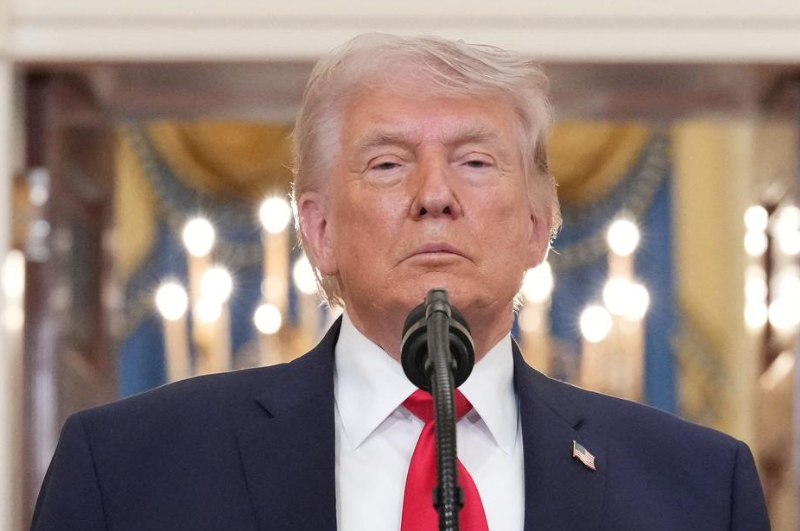
6 April 2026 (Navroze Bureau) : U.S. President Donald Trump has appeared to extend his deadline for Iran in a brief and cryptic social media post, adding a new twist to the already tense geopolitical situation surrounding the ongoing conflict in the Middle East.
In a post on his Truth Social platform, Trump simply wrote, “Tuesday, 8:00 P.M. Eastern Time!”—a message that, while lacking context, has been widely interpreted as an extension of his earlier ultimatum to Iran. The original deadline had required Tehran to reopen the strategically crucial Strait of Hormuz or face severe military consequences.
The updated timing effectively grants Iran an additional 24 hours to respond, pushing the deadline to midnight GMT on Wednesday. This extension suggests that the United States may still be open to negotiations, even as tensions remain high and military threats loom.
The Strait of Hormuz, a narrow but vital waterway, is one of the world’s most important oil transit routes. Since the escalation of the conflict, Iran has restricted shipping through the strait, raising concerns about global energy supplies and triggering volatility in oil markets. The U.S. has repeatedly demanded that Iran reopen the route to ensure the free flow of oil and gas.
Trump’s earlier statements had included strong warnings of potential attacks on Iranian infrastructure, including power plants and bridges, if the demands were not met. The extension of the deadline, however, indicates a possible shift in approach, allowing more time for diplomatic engagement or strategic recalibration.
Despite the extension, Trump has maintained a tough stance. In interviews, he has emphasized the strength of the U.S. position and warned of severe consequences if Iran fails to comply. His rhetoric underscores the high stakes involved, with both sides appearing unwilling to back down completely.
Analysts suggest that the cryptic nature of Trump’s post may be intentional, designed to keep pressure on Iran while leaving room for maneuver. By avoiding detailed explanations, the administration retains flexibility in how it proceeds, whether through negotiations or military action.
The move has also fueled speculation about ongoing back-channel talks. Reports indicate that diplomatic efforts are continuing behind the scenes, with both sides exploring potential pathways to de-escalation. The additional time provided by the extended deadline could be crucial in determining whether a deal is possible.
At the same time, the situation remains highly volatile. Any miscalculation or escalation could have far-reaching consequences, not only for the region but also for the global economy. The Strait of Hormuz is a critical chokepoint, and disruptions there can lead to sharp increases in oil prices and broader economic instability.
Iran’s response to the extended deadline remains uncertain. Officials have previously rejected U.S. demands and criticized the threats as aggressive and unjustified. The country has also signaled that it will not easily concede under pressure, raising the possibility of further confrontation.
The international community is closely monitoring developments, with many countries calling for restraint and dialogue. The potential for a prolonged conflict has raised concerns about regional stability and humanitarian impact.
Trump’s communication style, particularly his use of social media, has been a defining feature of his leadership. The latest post reflects this approach, where brief and direct messages can carry significant geopolitical implications.
Experts note that extending deadlines is a common tactic in high-stakes negotiations. It allows parties to maintain pressure while avoiding immediate escalation, creating space for compromise. However, repeated extensions can also signal uncertainty or shifting strategies.
The economic implications of the situation are already being felt. Oil prices have surged amid fears of prolonged disruption, and global markets remain sensitive to any developments related to the conflict. Investors are closely watching for signals of either escalation or resolution.
As the new deadline approaches, attention will be focused on whether Iran takes steps to reopen the Strait of Hormuz or whether tensions escalate further. The outcome will have significant implications for global energy markets, regional stability, and international relations.
In conclusion, Donald Trump’s cryptic post appears to extend the deadline for Iran by 24 hours, offering a brief window for potential negotiation while maintaining pressure. The situation remains fluid, with the coming hours likely to play a crucial role in shaping the next phase of the conflict.
Summary
Donald Trump extended Iran’s deadline via a cryptic post, giving 24 more hours to reopen the Strait of Hormuz, signaling possible negotiations but maintaining threats of severe military action.