

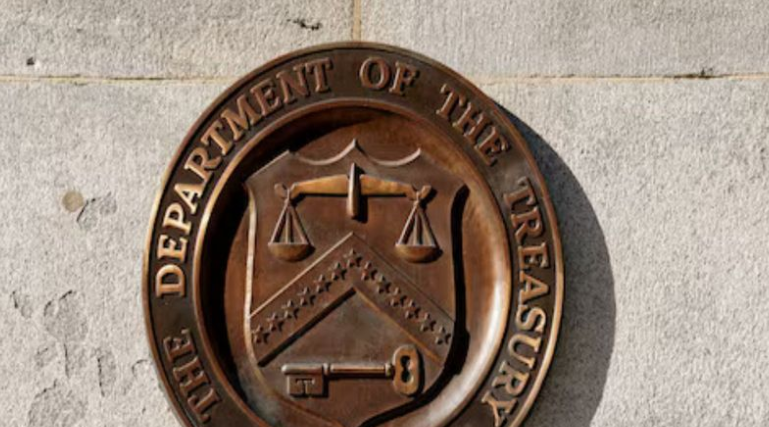
9 October 2026 (Navroze Bureau) The United States has imposed fresh sanctions targeting 27 companies, six individuals and 22 vessels linked to Iran, escalating economic pressure on Tehran. The measures are aimed at disrupting networks allegedly involved in supporting Iran’s oil trade, shipping operations and activities targeted by Washington’s sanctions policy.
The latest action reflects the continuing tensions between Washington and Tehran over Iran’s economic activities, regional security and international obligations. The US government has repeatedly used economic sanctions to restrict Iran’s access to international financial markets and limit revenue streams that it believes support activities posing security concerns.
The sanctions target a range of entities and individuals identified by US authorities. The inclusion of vessels highlights Washington’s focus on maritime networks that allegedly facilitate the movement of Iranian oil and other sanctioned commodities through international shipping routes.
Oil exports remain a major source of revenue for Iran. Despite extensive US sanctions, Tehran has continued to seek buyers for its petroleum products, relying on complex commercial arrangements, intermediaries and shipping networks. US authorities have frequently targeted companies, vessel operators and individuals accused of helping Iran circumvent restrictions.
The latest measures are intended to increase the financial and operational risks for businesses involved in transactions with designated entities. Companies and individuals subject to US sanctions can face restrictions on their property and financial interests under US jurisdiction. In many cases, US persons are prohibited from conducting transactions with sanctioned parties unless an applicable authorisation or exemption exists.
The sanctions can also affect international businesses that maintain dealings with designated entities. Depending on the legal basis of the measures, non-US companies may face additional risks if their activities fall within the scope of US sanctions rules or trigger separate penalties.
Shipping companies and vessel operators are particularly exposed when their operations involve sanctioned cargoes, prohibited transactions or entities designated by US authorities. Restrictions can make it more difficult for affected vessels to obtain insurance, secure port services, arrange financing or work with international maritime businesses.
The US government has increasingly focused on identifying networks that allegedly help Iran move oil and generate revenue despite existing restrictions. Such investigations may involve examining ownership structures, shipping documentation, financial transactions and relationships between companies operating in different countries.
Washington maintains that sanctions are an important instrument for limiting Iran’s ability to finance activities that the United States considers destabilising. The policy has included restrictions on Iranian financial institutions, petroleum exports, shipping networks and individuals associated with designated organisations.
Iran has repeatedly criticised US sanctions, arguing that unilateral economic restrictions harm its economy and affect ordinary citizens. Tehran has also maintained that its economic and regional policies are matters of national sovereignty.
The latest sanctions come against the backdrop of broader tensions over Iran’s nuclear programme, regional security and the future of diplomatic engagement between the two countries. Disagreements over sanctions relief and Iran’s international commitments have repeatedly complicated efforts to reach a lasting settlement.
The economic consequences of US sanctions can extend beyond the entities directly targeted. Restrictions on banking, shipping and energy transactions can increase compliance costs for international businesses and make companies more cautious about engaging with counterparties that may have links to Iran.
Oil markets may also pay attention to measures targeting Iranian exports, particularly when broader geopolitical tensions threaten supplies from the Middle East. Iran is a significant oil-producing country, and developments affecting its ability to export crude can influence market expectations about global supply.
However, the actual impact of the latest sanctions will depend on the identities of the designated entities, the activities covered by the restrictions and the extent to which affected networks can find alternative arrangements. The number of companies and vessels targeted does not, by itself, establish how much Iranian oil exports or government revenue will change.
International businesses are likely to examine the designations and update their compliance procedures where necessary. Financial institutions, shipping companies, insurers and commodity traders generally screen transactions against sanctions lists to reduce the risk of violating applicable rules.
The United States has continued to use sanctions as part of its broader strategy towards Iran, combining economic restrictions with diplomatic pressure and other national-security measures. Whether the latest action changes Tehran’s policies remains uncertain and will depend on developments in the region and any subsequent diplomatic negotiations.
For now, the sanctions represent another step in Washington’s efforts to restrict networks it says are connected to Iran’s sanctioned activities. Their wider effects on shipping, energy markets and international commercial relations will depend on how governments and businesses respond to the new designations.