

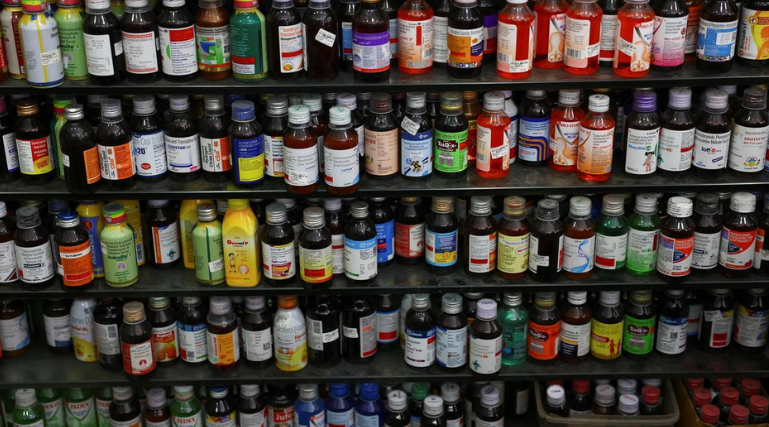
17 June 2026 (Navroze Bureau) : The Union Health Ministry’s decision to make a doctor’s prescription mandatory for the purchase of all medicinal syrups, including cough syrups, has sparked debate over how effectively the new rules can be enforced across India.
While public health experts have welcomed the move as a step toward reducing misuse and improving patient safety, pharmacists and industry observers say implementation could prove challenging, especially in smaller towns and rural areas where over-the-counter (OTC) medicine sales are common.
New Rule Ends OTC Sale Of Medicinal Syrups
Under the revised Drugs Rules, syrup-based medicines are no longer exempt from prescription requirements. Consumers must now present a valid prescription from a registered medical practitioner before purchasing cough syrups and other medicinal syrups.
The government says the move is aimed at preventing self-medication, misuse of cough formulations and improper consumption of medicines.
Why Enforcement Could Be Difficult
Experts point out that cough syrups have long been among the most commonly purchased OTC medicines in India.
Challenges include:
- Large number of retail pharmacies
- Limited inspection capacity
- Habitual OTC purchasing by consumers
- Rural healthcare accessibility issues
- Difficulty verifying prescriptions in real time
Many pharmacies have traditionally sold cough syrups without demanding medical prescriptions, particularly for common cold and seasonal ailments.
Pharmacists Seek Clarity
Several chemist associations have sought detailed guidelines regarding implementation and penalties.
Pharmacists say they support responsible medicine use but are concerned about practical issues such as:
- Managing customer expectations
- Verifying handwritten prescriptions
- Increased workload
- Availability of doctors in remote regions
Public Health Experts Support Move
Medical professionals largely support stricter controls, arguing that cough syrups can be misused and may contain ingredients that require medical supervision.
Experts note that some cough formulations include substances that can cause side effects, dependency or adverse reactions if consumed improperly.
Concerns About Access
Critics argue that requiring prescriptions for every medicinal syrup may create difficulties for patients seeking quick treatment for minor illnesses.
In rural and underserved areas, access to doctors can be limited, potentially delaying treatment for common conditions.
Government Focused On Safety
The Health Ministry has defended the decision by emphasizing the importance of patient safety and responsible medicine use.
The move also follows heightened scrutiny of syrup-based medicines after contamination-related incidents involving Indian-manufactured cough syrups attracted international attention in recent years.
What Happens Next?
The success of the policy will likely depend on:
- State-level enforcement
- Pharmacy compliance
- Public awareness campaigns
- Regular inspections
- Digital prescription systems
Industry observers believe the coming months will determine whether the rule leads to meaningful behavioral change or faces resistance at the ground level.
Key Takeaway
While the Health Ministry’s prescription-only rule for medicinal syrups aims to improve safety and curb misuse, significant questions remain about enforcement, compliance and access to healthcare, making implementation the biggest challenge ahead.