

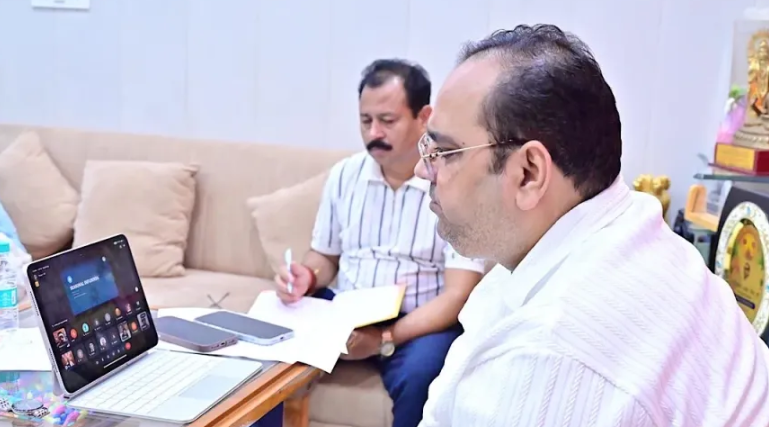
27 Aug 2026 (Navroze Bureau) : The Delhi government has directed hospitals across the national capital to reserve isolation beds as cases of swine flu (H1N1) continue to rise, with authorities stepping up preparedness to manage a possible increase in patients.
The directive comes amid growing seasonal influenza activity and follows a review of the city’s preparedness by health officials.
Hospitals Asked to Strengthen Preparedness
Government and private hospitals have been advised to keep designated isolation beds available for patients suspected or confirmed to have H1N1 infection.
Health authorities are also expected to ensure adequate supplies of medicines, testing facilities, personal protective equipment and other essential resources.
The move is intended to prevent hospitals from being overwhelmed if influenza cases increase further.
H1N1 Cases Continue to Rise
Delhi has reported a rise in seasonal influenza cases in recent weeks, prompting health authorities to monitor the situation closely.
H1N1, commonly known as swine flu, is a respiratory infection that can cause symptoms including fever, cough, sore throat, body aches and fatigue. In some cases, it can lead to serious respiratory complications.
Focus on Early Detection and Treatment
Officials have emphasised the importance of identifying high-risk patients and ensuring timely medical attention.
Hospitals have been asked to maintain appropriate infection-control measures and follow established protocols for suspected influenza cases.
Isolation Beds Part of Contingency Planning
The reservation of isolation beds is part of broader contingency planning by the Delhi government.
Authorities are monitoring influenza trends and hospital admissions to determine whether additional measures are required.
The government is also coordinating with healthcare institutions to assess bed capacity and preparedness.
Seasonal Influenza Under Monitoring
The increase in H1N1 cases comes during a period when seasonal respiratory infections can spread more easily.
Health officials have urged hospitals to remain vigilant and continue surveillance so that any sudden rise in serious cases can be identified quickly.
Public Health Advisory
People experiencing persistent fever, breathing difficulties or worsening respiratory symptoms are advised to seek medical attention promptly, particularly if they are at higher risk of complications.
Basic precautions such as maintaining hand hygiene, covering coughs and staying home when unwell can also help reduce transmission.
Government Keeps Situation Under Watch
The Delhi government is continuing to monitor the number of influenza cases and the pressure on hospitals.
Officials are expected to review the situation regularly and modify preparedness measures depending on how the outbreak develops.
Why the Directive Matters
Keeping isolation beds ready allows hospitals to separate patients with suspected infectious respiratory illnesses from other patients when necessary.
It can also help healthcare facilities respond more efficiently if the number of serious influenza cases increases.