

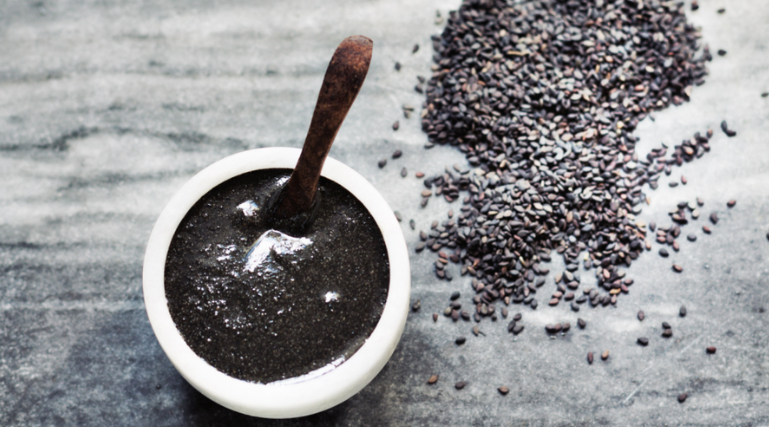
4 September 2026 (Navroze Bureau) : Black sesame seeds, commonly known as kala til, are a nutrient-dense food that has long been used in Indian cooking and traditional diets. They provide healthy fats, protein, fibre and minerals such as calcium, magnesium, iron, copper and zinc, along with antioxidant plant compounds.
Adding a modest amount to a balanced diet can be a simple way to increase nutrient intake. However, black sesame should be viewed as a nutritious food rather than a cure or treatment for any disease.
1. Rich in Antioxidants
Black sesame seeds contain plant compounds including sesamin, sesamolin and sesamol, which have antioxidant properties.
Antioxidants help protect cells from oxidative stress. Black sesame appears to contain particularly high levels of some antioxidant compounds compared with lighter sesame varieties, although the health effects of eating the whole seeds still require more human research.
2. May Support Heart Health
Sesame seeds contain predominantly unsaturated fats, phytosterols and lignans that may contribute to a heart-friendly diet.
Research has suggested that regular sesame consumption may help improve measures such as cholesterol and triglyceride levels, although results vary and sesame should complement—not replace—established heart-healthy habits such as exercise, a balanced diet and controlling saturated-fat intake.
3. May Help Support Healthy Blood Pressure
Black sesame contains magnesium and other nutrients involved in cardiovascular health.
Some small clinical studies have reported improvements in blood pressure following sesame consumption. However, the evidence is still limited, and larger, better-designed studies are needed before sesame can be considered a specific treatment for high blood pressure.
4. Provides Calcium, Magnesium and Other Minerals
Kala til can contribute several important minerals to the diet, including calcium, magnesium, iron, phosphorus, copper and zinc.
These nutrients have important roles in maintaining bones, muscles, blood cells and normal body functions. The exact nutritional contribution depends on the quantity consumed and the overall diet.
5. Contains Fibre, Protein and Healthy Fats
Like other sesame seeds, black sesame provides a combination of plant protein, dietary fibre and unsaturated fats.
This combination can make meals more filling and may help support a balanced eating pattern. Sesame can be added to salads, vegetables, rice dishes, chutneys or homemade snacks.
6. May Support Skin and Hair Health
Black sesame contains nutrients such as iron, zinc, fatty acids and antioxidants, all of which are involved in maintaining normal skin and hair health.
However, claims that eating black sesame directly prevents hair loss, reverses greying or dramatically improves skin should be treated cautiously. Human evidence specifically linking whole black sesame consumption to these outcomes remains limited.
How Much Black Sesame Should You Eat Daily?
There is no universally established daily medical dose of black sesame seeds for healthy adults.
Some nutrition reports cite around 2 grams a day based on specific research, while clinical studies have used amounts around 2.5 grams of black sesame meal daily. These research quantities should not automatically be interpreted as a mandatory daily serving for everyone.