

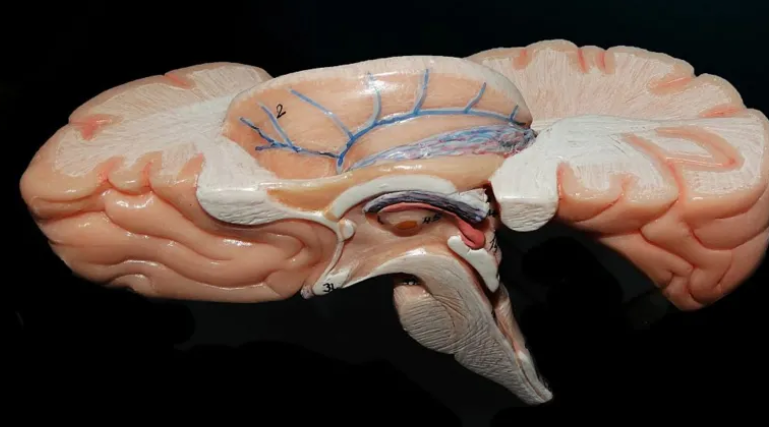
13 july 2026 (Navroze Bureau) : Indian researchers are making significant strides in understanding the human brain by using advanced imaging technologies, artificial intelligence (AI), and large-scale neuroscience projects to map its complex structure and functions. Scientists say these efforts could transform the diagnosis and treatment of neurological and psychiatric disorders while deepening our understanding of cognition, memory, and consciousness.
The human brain, often described as the body’s most complex organ, contains nearly 86 billion neurons connected through trillions of synapses. Despite decades of research, many aspects of how the brain processes information, stores memories, and gives rise to consciousness remain poorly understood.
Advanced Brain Mapping Technologies
Researchers across leading Indian institutes are employing cutting-edge tools such as high-resolution magnetic resonance imaging (MRI), functional MRI (fMRI), electroencephalography (EEG), and advanced microscopy to study the brain in unprecedented detail.
Artificial intelligence and machine learning are also helping scientists analyze vast datasets, identify patterns in brain activity, and develop predictive models for neurological diseases.
Focus on Brain Disorders
One of the primary goals of brain mapping is to improve understanding of disorders such as:
Alzheimer’s disease
Parkinson’s disease
Epilepsy
Stroke
Autism spectrum disorder
Depression
Schizophrenia
By identifying changes in brain structure and function, researchers hope to enable earlier diagnosis and more personalized treatments.
India’s Growing Neuroscience Ecosystem
Institutions including the Indian Institute of Science (IISc), the All India Institute of Medical Sciences (AIIMS), the National Brain Research Centre (NBRC), and several IITs are collaborating on neuroscience research, combining expertise from medicine, biology, engineering, and computer science.
These multidisciplinary efforts are helping India strengthen its role in global brain research.
Challenges Ahead
Brain mapping remains one of science’s greatest challenges due to the organ’s extraordinary complexity. Researchers must process enormous volumes of biological and imaging data while ensuring patient privacy and addressing ethical concerns surrounding neuroscience research.
Despite these challenges, advances in computational power and imaging technologies are accelerating discoveries.
Future Applications
Experts believe comprehensive brain maps could pave the way for:
Precision medicine for neurological disorders.
Brain-computer interfaces.
Improved rehabilitation after stroke or injury.
Better understanding of learning and memory.
AI-inspired computing systems.
A New Era of Neuroscience
Scientists say India’s expanding investment in neuroscience, digital health, and AI is opening new opportunities to explore the brain’s “last frontier.” Continued collaboration between researchers, clinicians, and technology experts is expected to drive breakthroughs that could benefit millions of people affected by neurological diseases.